Category: News

  • World’s First NFT Museum Opens in Seattle 

    World’s First NFT Museum Opens in Seattle 

    Regardless of peoples’ opinions about them, NFTs are everywhere these days. Top collections are raking in billions of dollars in sales, they are being used more by mainstream institutions, and their public visibility has never been higher. 

    Because of all this success, more products are being developed to cater to the industry and its specific needs. Take the recent opening of an NFT museum in Seattle which marks the first time that a museum has been created and solely dedicated to displaying NFTs. 

    NFTs at the Museum 

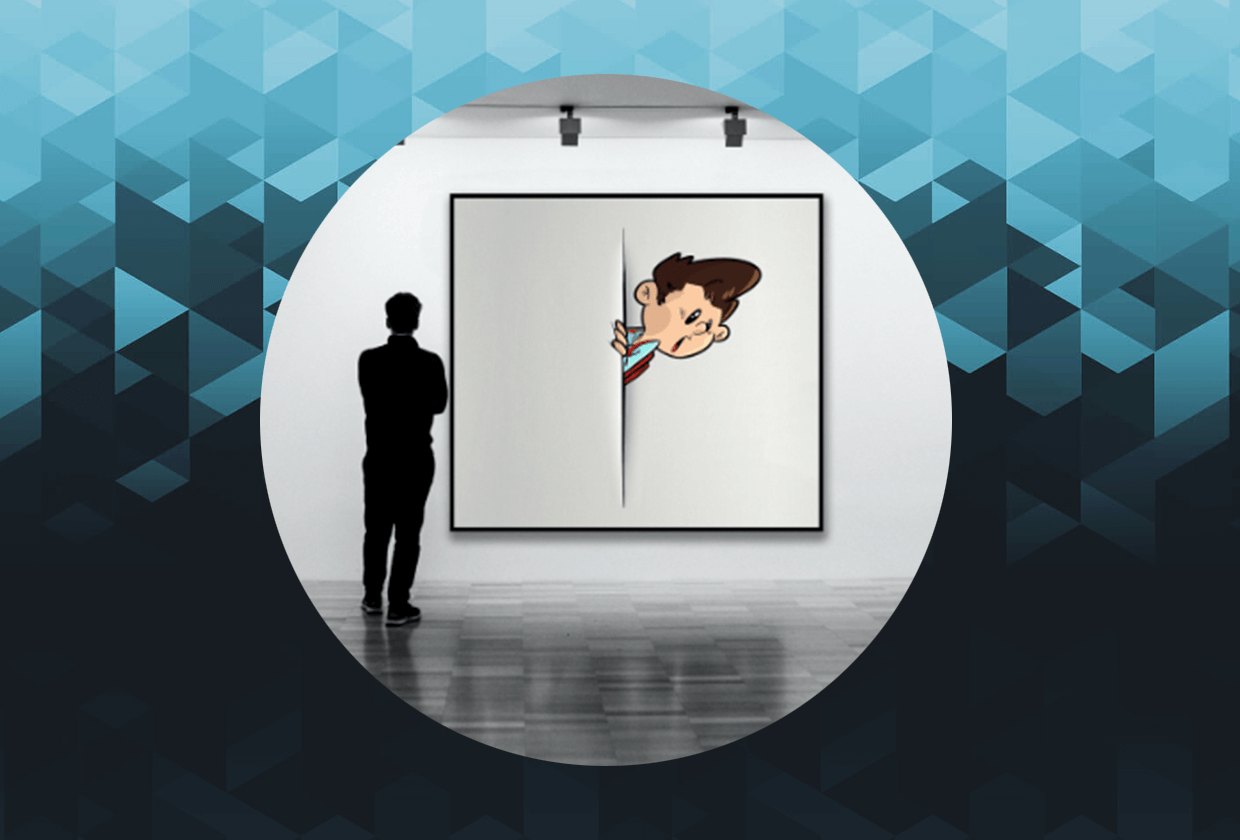
    The museum in question, simply called the Seattle NFT Museum, opened earlier this year and says that its goal is to  “pull back the curtain” on NFTs and make them more accessible to the public. 

    Then there is the benefit that it offers for artists. Many more creators are releasing their works as NFTs and this museum gives them a chance to exhibit their NFTs in a physical space. 

    “We really realized the impact of being able to look at this type of art in a way where you actually slow down, you see all the details,” says Jennifer Wong, a co-founder and curator at the Museum.

    One of the museum’s most recent exhibitions was held for artist Maksim Surguy on April 16, 2022. The exhibition was titled ‘Climate Conversation’ and showed Surguy’s works as NFTs that can also be printed physically. 
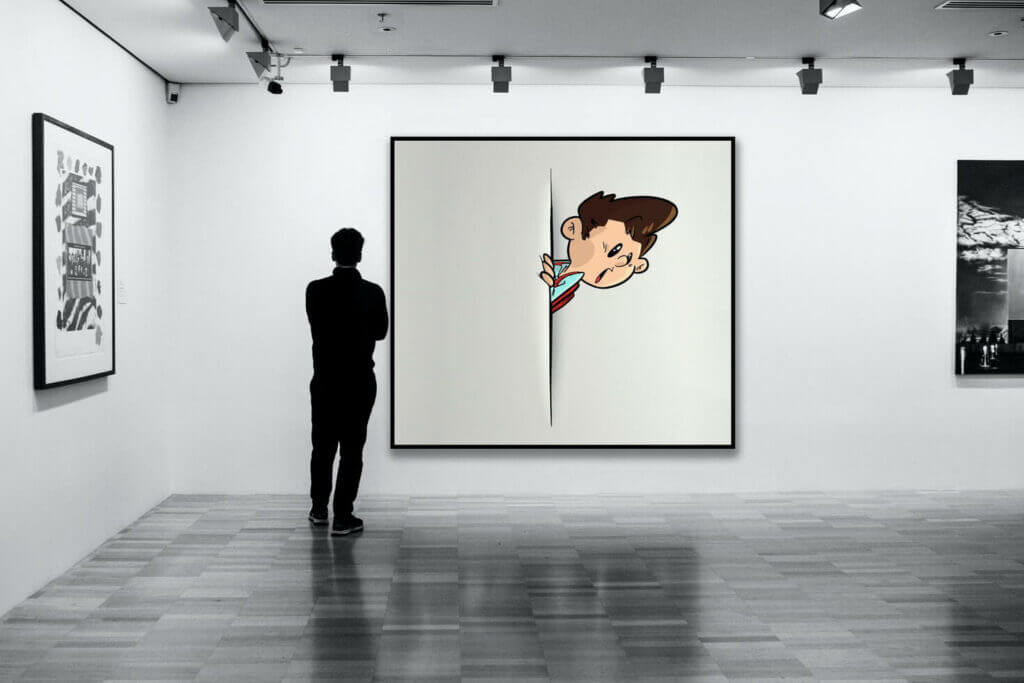
    World's First NFT Museum Opens in Seattle

    As the artist explains, the NFT museum blurs the lines between physical and digital art while offering more options to buyers. Now, they don’t have to be restricted to only accessing the art in physical or digital form and can enjoy both.

    Then there is the demystifying of the industry itself. A lot of people who are not heavily involved in NFTs only know them as internet concepts and have never interacted with one.

    Now that this physical museum exists, they can see NFTs for themselves and get a better understanding of the industry.

    As Peter Hamilton, a co-founder of the museum, says, “I can’t emphasize enough how important the educational part of this museum is. We’re trying to onboard folks and help them see what the value of NFTs are and help people pull back the curtain a little bit on what blockchain is and what its utility is.”

    Moving forward, the museum hopes to host even more exhibitions and continue to educate the public about NFTs.

    NFTs in the Art World

    One of the most common uses of NFTs is for the selling of art. Over the last few years, NFTs have become a viable way for both larger and smaller independent artists to earn an income. 

    But the advent of NFTs also created a bit of a rift between ‘traditional’ artists who exhibited in museums and galleries and those who were strictly NFT artists. With this new NFT museum, artists and art buyers can have the best of both worlds. 

    Not only does this create more access to everyone but also shows that NFTs can co-exist with the traditional art world.
  • Yuga Labs Announce Minting Price for Otherside NFTs

    Yuga Labs Announce Minting Price for Otherside NFTs

    Last month, Yuga Labs, the parent company behind the Bored Ape Yacht Club, announced that it would be making the leap into the metaverse by releasing a new project called ‘Otherside’. This project would see Yuga Labs, which made the acquisition of a few choice NFT collections earlier this year, even more prominent within the industry. 

    Now, some new details have come out about Otherside, including the planned minting price for the NFTs that will be featured in it. 

    The Cost of Virtual Land

    As per the latest announcement from the Otherside project, the NFT lands to be sold will no longer be made available via a ‘Dutch Auction’. The reason given for this was concern about how such a buying mechanism could encourage gas wars and be detrimental to the meditation of demand. 

    A Dutch auction is a situation where a product is priced very high and that price is subsequently reduced until a buyer accepts it. 

    “This is especially problematic when you consider that the Otherdeed mint may be one of the largest scale, high-demand NFT mints ever. All the usual problems with NFT gas wars would be exacerbated by the sheer number of NFTs to be minted, which could result in a gas war of historic proportions.,” the announcement said. 

    So, instead of Dutch Auctions, Yuga Labs will be offering all NFTs at a minting price of 305 ApeCoins each. The NFTs will represent something called Otherdeeds, which, in turn, represent ownership of a piece of digital land in the metaverse. 

    Yuga Labs Announce Minting Price for Otherside NFTs

    A total of 55,000 NFTs will be available for minting and only wallets that have completed a know-your-customer process will be allowed to buy. Still, Otherside is taking great pains to make sure that the NFTs get a fair distribution and that a gas war does not take place.

    As part of this, Otherside is limiting each wallet to only 2 NFTs at the beginning of the sale. As the NFT sale progresses, the limit per wallet might still increase and if it does, this will be announced on their official channels. 

    At the same time, Otherside mentions that there is no guarantee that a gas war will not happen but that if it does, buyers will see fewer losses and more equitable access to the NFTs. 

    “If a gas war still happens, it at least will not result in insane amounts of ETH lost to failed transactions, and hopefully the Otherdeed mint will be one of the most widely distributed in history,” the announcement says. 

    NFT Efficiency 

    Gas fees are one of the most controversial issues in blockchain as a whole, with entire networks being popular because of their low gas fees. When it comes to NFTs, these fees can significantly increase how much buyers need to spend to get an asset. 

    Yuga Labs, however, seems to be getting ahead of a potential gas war by offering a flat rate as opposed to an auction. Hopefully, this will achieve the desired result.

  • U.K Court Declares NFT Legal Property 

    U.K Court Declares NFT Legal Property 

    Despite all their popularity and financial success, NFTs are not fully accepted around the world. From countries that have a very strict policy around NFT use to members of the public who decry them as a scam, NFTs still have some ways to go before they reach complete mainstream acceptance.

    One small victory in this regard, however, has come as a court in the United Kingdom has recognized NFTs as legal property. This came via a lawsuit filed by Lavinia Osbourne, the founder of Women in Blockchain Talks, against the Boss Beauties collection.

    The Legal State of NFTs

    The lawsuit in question was filed earlier this year and in it, Osbourne alleges that two of her digital works were stolen from her wallet and then listed as NFTs on the Boss Beauties collection. Following deliberation, the judge in the case ruled that the NFTs that were stolen constituted legal property and thus, enjoyed legal protections. 

    Subsequently, the judge ruled that an injunction be put on the Ozone Networks, which hosted the NFT marketplace where the assets were sold, and a Bankers Trust disclosure. The latter means that the marketplace that sold the NFTs has to submit information to the courts about the current holders of the NFTs.

    U.K Court Declares NFT Legal Property

    In the meantime, OpenSea, the site where the NFTs were sold, has frozen the sale of them. 

    This ruling is significant not just because the artist will have some respite for her stolen work but also because it sets a precedent for the industry. The formal recognition of NFTs as legal property by a court means that future cases involving them can be better handled and industry players can access more legal protections. 

    As  Racheal Muldoon, a counsel on the case, says, “It is of the utmost significance as, for the first time in the world (as far as we are aware), a court of law has recognised that an NFT is property capable of being frozen by way of an injunction. This ruling, therefore, removes any uncertainty that NFTs (as tokens consisting of code) are property in and of themselves, distinct from the thing they represent (e.g., a digital artwork), under the law of England and Wales.”

    NFTs’ Growing Presence in the Legal World

    A hot-button issue in the NFT world is the rights of NFT creators and buyers, especially when it comes to stolen works. But a string of legal developments has shown that the judiciary system is catching up with the progress of NFTs and creating frameworks to protect stakeholders. 

    In China, for example, a court ruled that an NFT marketplace had a responsibility to prevent stolen assets from being sold on its platform. In the ruling, the platform had to compensate the original owner of the stolen artwork and make sure that the stolen assets couldn’t be further circulated. 

    With this new ruling in the UK, even more protection can be ensured for artists whose work might be stolen and sold without their consent.

  • J5 Warns About Red Flags When Dealing With NFTs 

    J5 Warns About Red Flags When Dealing With NFTs 

    One thing that has been consistent in the blockchain sector is that every time a new blockchain by-product becomes popular, it takes a while for the regulatory aspect of it to be sorted out. This happened with cryptocurrency and the countries like China that outright banned it and it is happening again with NFTs, which are sometimes looked at with suspicion by law enforcement and regulatory bodies. 

    Now, the Joint Chiefs of Global Tax Enforcement (J5) is the latest regulatory body to speak on NFTs. This time, it was to warn both individuals and institutions about red flags to look out for when buying them. 

    Watch Out!

    The statement made by the J5 was via an April 28, 2022, document titled the “J5 NFT Marketplace Red Flag Indicators”. The document outlined some things that should cause concern among those who are looking to buy NFTs. 

    As per the announcement for the red flag list, it was explained that there was a need for these issues to be outlined given how fast the NFT space is growing. 

    J5 Warns About Red Flags When Dealing With NFTs

    “This space is changing so fast and technologies and products have the ability to become the ‘next big thing’ without any due diligence or regulation on the part of the creator of the product,” said Special Agent Oleg Pobereyko, J5 Crypto Group Lead.  

    Among some of the 16 strong indicators highlighted in the document were 

    • Newly minted or secondary market transactions greater than $100,000 with no observable community.
    • A network of sending and receiving parties to the same transaction or group of transactions. 
    • Fake token give-aways/airdrops, and;
    • Social media impersonation – unverified accounts that also have no active followership and engagement.

    Among the 8 moderate indicators that were listed were 

    •  No checkmark for verification on market profile 
    • Non-existent contract address (Ethereum) for traceability on the project, and; 
    • A significant number of sales in a collection purchased from the same or clustered wallets

    It was noted in the document that not every indicator listed is a definite sign of a fraudulent NFT or one being used for tax evasion purposes. Nevertheless, individuals, law enforcement, banks, and so on were advised to watch out for them. Additionally, multiple risk indicators occurring at once would be a reason to be cautious. 

    It was also stated that the data on the NFT marketplaces themselves can be used in detecting shady NFTs. 

    The Need For Guidelines

    The J5 releasing this document detailing red flags to look out for when buying NFT is a truly significant development. First, it shows how prominent the industry has become to warrant such a response. The response, thankfully, seems to come not from a place of blanket condemnation but guidance for buyers. 

    It also shows that the fraudulent and shady activities taking place in the NFT industry are by no means a small issue. But with these sorts of guidelines, institutions and individuals alike can navigate the market with much more ease and less worry about being scammed or inadvertently supporting criminal activities.

  • OpenSea Announces Gem Acquisition

    OpenSea Announces Gem Acquisition

    At this point, OpenSea is practically synonymous with the NFT industry. The marketplace is the home to top collections like the Bored Ape Yacht Club and processes billions of dollars in NFT sales on a monthly basis. It is also perhaps the most recognizable marketplace in the industry, even to those who don’t know a lot about NFTs. 

    Now, OpenSea is set to become even bigger with its recent acquisition of Gem, a popular NFT market aggregator. The deal was announced via a blog post by Devin Finzer, the co-founder and CEO of OpenSea, on April 25, 2022. 

    New Gems

    In the announcement, Finzer explained that the acquisition is part of OpenSea’s efforts to better serve its customer base of more experienced NFT buyers. 

    “As the NFT community grows, we’ve recognized a need to better serve more experienced, “pro” users, and offer more flexibility and choice to people at every level of experience,” the announcement said.

    This contextualizes the new development as Gem is a tool mostly used by more experienced NFT buyers. Gem essentially allows its users to buy NFTs from across different marketplaces in a single transaction. This aggregation means that both time and money are saved for the buyer. 

    As the blog post explains, bringing Gem under the OpenSea umbrella is beneficial for both. For Gem, it means more resources to expand on its operations. For OpenSea, this provides an opportunity to learn about the advanced NFT market, including consumer behaviour. 

    OpenSea Announces Gem Acquisition

    It was also noted that while Gem has been acquired by OpenSea, it will continue to operate independently of the main platform. Some key Gem features will eventually be added to OpenSea to improve the customer experience. 

    Finzer also explained that during the course of the acquisition, allegations came to light about a member of the Gem team known as Neso. Following the discovery of these allegations, Neso was removed from the Gem team and the new acquisition. 

    “Upon investigating the allegations, the employee was immediately exited prior to the close of this deal. This individual has never and will never be affiliated with OpenSea,” the announcement said. 

    Given OpenSea’s already prominent place in the NFT sector, the acquisition of Gem also serves to further solidify its dominance. After all, buyers use sites like Gem to discover NFTs for sale both on OpenSea and on other NFT marketplaces. Improving the discovery process for buyers will only lead to more sales being made. 

    Scanning the Markets

    Obviously, OpenSea is not the only NFT marketplace in existence and customers know this. As a result, being able to aggregate market offerings to make a choice is an invaluable asset. 

    In the same way you can compare options from several different airline sites at once using a flight aggregator, NFT buyers are able to aggregate NFT marketplaces using tools like Gem. OpenSea clearly sees the value in this and with the support that it will offer Gem, we can expect to have even more tools at our disposal in navigating the NFT market. 

  • Stranger Things NFTs Coming Soon

    Stranger Things NFTs Coming Soon

    For years now, Netflix has been at the centre of the pop culture zeitgeist, and this has mainly been because of the popular original TV shows and films that have come from the streaming giant. One of these has been Stranger Things, a science fiction TV series that first premiered in 2016. 

    The series has been a fan favourite since its inception and naturally, there was a lot of excitement when its fourth season was announced this year. Also exciting was the recent announcement of special NFTs being released to commemorate this new season. 

    Strange Metaverses

    This new NFT release is a collaboration between Netflix and Candy Digital and was discovered by fans of the show after spotting an ARG online. The ARG takes users to a site under the URL iamhellsmaster.com which informs users that they have entered an interactive digital experience while also counting down to the show’s release date of April 30, 2022.

    “Congrats for uncovering the clues and joining Stranger Things 4’s interactive curiosity voyage, brought to you by Candy Digital and Netflix,” the site’s welcome message shows. 

    Users are also prompted to sign up for an email newsletter which promises digital mysteries such as codes and puzzles to solve. The email newsletter also teased collectables that will be in limited supply once they drop, which many believe is a hint at NFTs. 

    There is also the fact that Candy Digital, the company Netflix has collaborated with, is known for its work in the NFT space. Given how popular NFTs have become in the world of entertainment, with the latest Batman and Spiderman movies having some NFT tie-ins upon launch, this comes as no surprise.

    Stranger Things NFTs Coming Soon

    While we do not know for sure at the moment, the NFTs to be dropped are likely to make reference to specific characters or items that are popular in the Stranger Things universe. When the Batman NFTs were unveiled, for example, they featured different iterations of the superhero’s iconic cowl. 

    We could very well see something similar happening for Stranger Things fans ahead of the new season release. Fans have already begun speculating about what this NFT drop could entail online, including in the official Stranger Things subreddit where a screenshot of the newsletter was shared and on social media. 

    As we see NFTs become more widely used in entertainment, we could very well see NFT drops become a regular part of new content releases, such as movies and TV shows. 

    The Wild World of Pop Culture NFTs

    Since their inception, NFTs have always cut close to the heart of popular culture. After all, some of the most popular instances of NFTs being sold have been with classic memes and even tweets. 

    As such, it would make sense that a company like Netflix that was built on popular culture would embrace NFTs in this way. Also, by tying the NFTs to a scavenger-type challenge, Netflix is successfully creating audience engagement as well as metaverse promotion.

  • 1-800-Flowers Joins the Metaverse With NFTs For Mothers Day

    1-800-Flowers Joins the Metaverse With NFTs For Mothers Day

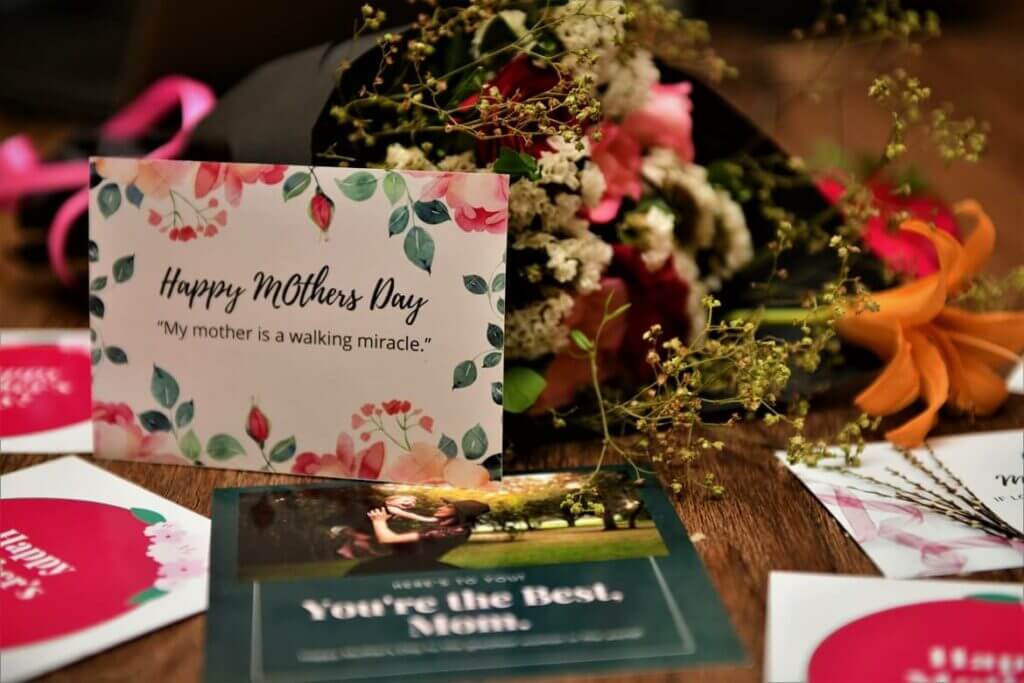
    Mothers’ Day is coming up soon and once again, people all over the world have a chance to shower their mothers with gifts. You can go traditional with flowers, chocolates, jewellery, maybe a spa date. But for something a bit more innovative, why not an NFT?

    Now, you might be thinking that an NFT isn’t an appropriate Mothers’ Day gift, but 1-800-Flowers would say otherwise. The iconic flower company has been conveniently delivering flowers for years, including on Mothers’ Day. 

    Now it is entering the metaverse with two new NFT collections that are designed to celebrate mothers. 

    Giving (Digital) Flowers

    As per the official announcement, the collections will feature illustrations by artists Devi Namira and Maaz Rahell, all of which are a tribute to mothers. In total 1,800 of them will be made. 

    The first collection will be titled “Moms Run the World” and the features of each NFT will be randomly generated by an algorithm. This means that no two NFTs will be the same and many will have small details that allude to other businesses under the 1-800-Flowers umbrella, such as strawberry fields which are a nod to Shari’s Berries. 

    The second collection is called  “The Love of a Mom,” and will have 12 NFTs made in multiples, with 180 assets in total. The theme of this collection will be a mother guiding her child through the garden that is life. 

    1-800-Flowers Joins the Metaverse With NFTs For Mothers Day

    The NFTs are based on the Polygon blockchain and will be free to mint. To get one, users need to sign up on the 1-800-Flowers website and get whitelisted. Being whitelisted also enters users into a raffle that could win them a year of free flower deliveries for their mother figure. 

    This new announcement marks the company’s first foray into the world of NFTs and the metaverse but according to its management, this is its way of innovating with the times. 

    “1-800-Flowers.com has a long history of innovation and always strives to be at the forefront of where consumers are going next,” said Jason John, Chief Marketing Officer of 1-800-FLOWERS.COM, Inc. “These collections are a great way for us to test in this space as we delve into the possibilities within Web3 and gain a better understanding of our customers’ interest in digital products. We’re excited to officially be part of the NFT community!”

    Welcome to the Metaverse

    While this new NFT drop from 1-800-Flowers is certainly unique, it does have a lot of potential. Our understanding of NFTs thus far has been mostly as something we buy for ourselves, whether for personal enjoyment or as an investment. 

    Now, we can start to look at NFTs as potential gift items. Given how easily they can be customized, NFTs to commemorate a holiday like Mothers’ Day or Christmas does not seem far fetched at all. If these sorts of ventures are successful, we could eventually see NFTs standing alongside flowers and chocolates as a standard Mothers’ Day gift.

  • Chinese Court Rules on Stolen Artwork NFT Sale

    Chinese Court Rules on Stolen Artwork NFT Sale

    If there is any group of people that have been heavily involved in the rise of NFTs, it has been artists. The most valuable NFT ever sold was a piece by artist Beeple and creators all over the world have been minting and selling their works as NFTs. 

    At the same time, this movement has not been without some controversy. For example, it has been reported in the past that some artists’ works have been minted and sold as NFTs without the creator’s consent. 

    However, it seems the law is starting to catch up to the crooks who do this as a Chinese court has given a judgment against NFT marketplace NFTCN.

    Legal Ramifications 

    The lawsuit in question was borough forward by Qice, a company based in Shenzhen, against the NFTCN platform and its parent company BigVerse. In the suit, it was alleged that a user of the platform had stolen the artwork of artist Ma Qianli. 

    The artwork in question was a cartoon of a tiger getting a vaccine shot. The unnamed user allegedly stole the artwork, minted it as an NFT and then sold it on NFTCN for roughly $137.

    The court has now ruled that NFTCN did not carry out the due diligence to make sure that the person selling the NFT on their platform had the right to do so. This, the court says, infringed on Ma’s “right to disseminate works through information networks.” 

    As part of the ruling, BigVerse has to pay compensation of roughly $611 to Qice and also has to stop the NFT of stolen artwork from being circulated. How this will be done is that the NFT must be sent to an eater address.

    Sending an asset to an eater address means it will be put in a wallet that has no private key and thus, cannot be used for transactions. This is commonly used when tokens are being burned and now, will be used to take the NFT off the market. 

    Furthermore, the ruling instructed BigVerse to put a new system in place to determine the copyright status of the assets being minted and sold on the platform. Given the judgment made in this case, NFTCN and its parent company could find themselves in court again if the incident repeats itself. 

    Justice For Artists

    This case in the Chinese court and its ruling is significant for several reasons. First, it marks the first time that a Chinese court will give a ruling on an NFT-related issue. 

    China has had a complicated relationship with blockchain for years and this has extended to NFTs as well. Earlier this month, several accounts were banned from WeChat, a top Chinese messaging app, for NFT-related activity. 

    But this case also shows a changing tide that could protect artists in the long run. When artwork first began getting stolen and minted as NFTs, it seemed that there was nothing the original owners could do about it. Now, some legal recourse seems like a possibility.

  • Bored Ape Social Media Accounts Hacked, Millions in NFTs Stolen

    Bored Ape Social Media Accounts Hacked, Millions in NFTs Stolen

    It’s complicated being the Bored Ape Yacht Club; on one hand, you’re one of the most famous NFT collections in the world and have celebrities like Madonna as customers. On the other hand, being the most famous NFT collection in the world means you are constantly the target of hack campaigns and scammers. 

    Earlier this month, it was reported that the Ape Club Discord channel had been attacked and at least one NFT stolen as a result. It seems the attacks have not ended as both the collection’s Discord and Instagram pages were hacked, leading to millions in losses for buyers. 

    The Great Ape Heist 

    While this is the second attack that the Bored Ape Yacht Club is suffering in a single month, there are few differences between the two. While the collection’s Instagram was hacked as well, the scam was run in a similar way; a link was posted that promised users a chance to mint rare NFTs. 

    Once the link was clicked, users were prompted to connect their wallets to get access to an airdrop. However, this gave the scammers access to their wallets and they were then able to steal their existing NFTs.

    Bored Ape Social Media Accounts Hacked, Millions in NFTs Stolen

    Soon after reports of the hack broke, the Bored Ape Club clarified via its official Twitter account that no mint was taking place and warned users not to click the links being posted. 

    “There is no mint going on today. It looks like BAYC Instagram was hacked. Do not mint anything, click links, or link your wallet to anything,” the official tweet said. 

    But some damage had already been done. According to Twitter user Zachxbt, several NFTs from collections such as the Bored Ape Club and CloneX had already been stolen. By their estimate, almost $3 million worth of NFTs has been taken by the hackers. 

    How to Secure NFTs 

    Naturally, this incident trended on social media and once again, brought up the discussion of digital asset safety and the role that collections and platforms have to play in securing their buyers’ assets.

    While most NFT users are aware of the basics of wallet security, a link posted on the verified page of a platform like the Bored Ape Club is likely to be trusted. The scammers clearly know that and the plan clearly worked to an extent. 

    But what role do the platforms themselves have in this? This is the entire basis of the lawsuit that has been brought against OpenSea. The plaintiffs in the lawsuits have alleged that OpenSea did not do enough to protect them and allowed for internal bugs that led to the loss of their assets. 

    While there is no telling if any actions, legal or otherwise, will be taken with regard to the latest Bored Ape Yacht Club attack, it does reiterate to NFT owners how vulnerable they could be to hackers. 

    One of the basics of these is not clicking on links promising free airdrops without thorough vetting, even if it is from the world’s top NFT collection.

  • OneDegree Adds NFT Coverage to its Services

    OneDegree Adds NFT Coverage to its Services

    Regardless of public debate and opinion, NFTs are assets in their own right. Depending on what artist or collection you purchased from, you’ve likely paid a decent amount for your NFT and if something were to happen to it, you’d lose out financially. 

    And there is a decent possibility that something could happen to your NFT. Because of how valuable many of them are, they are targeted by scammers and hackers who want to steal them. We’ve seen this with even prominent collections like when the Bored Ape Yacht Club Discord page was attacked, with at least one NFT being stolen. 

    The value that NFTs carry and the risk their owners bear have spawned a new market of insurance for digital assets. One of the latest offerings from this market comes from OneDegree, a Hong Kong-based virtual insurer which has announced a partnership with Munich Re to insure NFTs.

    Protect the NFTs

    This is not OneDegree’s first time dealing in the insurance of digital assets. It already has its OneInfinity cryptocurrency insurance service that helps crypto holders insure their tokens. It famously provided over $12 million in insurance for the Hong Kong Digital Asset Exchange. 

    Only three other firms offer similar services in Hong Kong and this has been touted as a way to not only encourage more digital asset investments in the region but also to benefit the industry as a whole.

    Hong Kong

    Now, OneDegree will be expanding this service to firms and individuals who are dealing in NFTs. This is a natural response to how big NFTs have grown in the last few years, with billions of dollars being put into them. 

    “With more attention being paid to the metaverse and digital assets, a growing number of coverage providers are considering expanding their [underwriting] capacity for these sectors,” said Alvin Kwock Yin-lun, OneDegree’s co-founder and CEO, in an interview with the South China Morning Post.

    He added that OneDegree is already in talks with potential clients, including asset managers and a global NFT conglomerate. Furthermore, NFTs have a lot of potential applications in Hong Kong given its status as a cultural and economic hub. 

    “Hong Kong is the world’s second-largest contemporary art auction market. It is only natural that NFTs, which are digital representations of art pieces, music, in-game items and videos [on the blockchain], are now gaining traction in Hong Kong,” he says.

    Why NFTs Need Insurance

    There is no denying how popular NFTs have become but it is often underestimated just how valuable they are as individual pieces and as general industry.  It’s easy to look at a picture of a pixelated monkey and see it as nothing more than that. 

    However, that pixelated image is often worth millions of dollars in the same way a Van Gough or a diamond would be. And the same way those would be covered by insurance, NFTs are getting services tailored to them as well. 

    Hopefully, this announcement by OneDegree and others to follow will mean that NFTs will be safer and their owners more assured.