Category: News

  • Tencent to Exit NFT Market

    Tencent to Exit NFT Market

    It is well-known that the NFT scene in China is complicated, to say the least. Very strict laws have been put in place that guides how NFTs can be dealt with and WeChat has even been known to close accounts that deal in NFT trading on its platform. 

    Now, the Chinese NFT scene seems to have suffered a huge blow as Huanhe, the NFT app launched by Tencent, will be shelving most of its operations. This news was reported by the South China Morning Post on August 16, 2022.

    What Went Wrong?

    Huanhe users had first sensed that something was wrong after, in July, the Tencent News app reworked its section that sold digital assets and appeared to stop selling them.  According to the report, Huanhe has announced that it will stop issuing digital collectables (this is the name that NFTs are called within China) from now on. Those who had previously bought NFTs on the platform can get refunds and have those assets destroyed. 

    As for those who don’t want a refund, they can still display and share their NFTs. Essentially, the app is putting a halt to all new NFT-related activities. This comes just one year after the app was launched, marking Tencent’s foray into the NFT space. 
    Tencent to Exit NFT Market

    But even when the app was active, the activities of users were quite limited, in accordance with Chinese digital assets laws. Users could only buy NFTs with fiat currency and could only transfer them to others for non-profit purposes. Again, this was in line with Chinese law, which has always sought to discourage the speculative nature of a lot of for-profit NFTs. With cryptocurrency being banned in the country, the NFT scene was always vastly different to those in the West. 

    But as per the report, the app did not shut down due to Chinese law interference. Instead, it had been dealing with low sales for several months, with even its limited edition pieces remaining unsold. On the backend, Tencent’s Platform and Content division, which was behind the app, saw many layoffs earlier this year. 

    This combination of roadblocks contributed to the decision to shutter the Huanhe app, with an official statement citing, “the company’s considerations to focus on core strategic [businesses]”.

    Given that many other top Chinese firms like JD.com are also in the NFT sector, Chinese NFT lovers will be able to get their needs met elsewhere. 

    The Complexities of Chinese NFTs

    While the closure of the Huanhe app is sad to hear, it does speak to the complex NFT scene in China. Obviously, the stringent laws in the country contribute to its landscape and there is no telling how the situation would have played out if NFTs could be traded with crypto and could be bought speculatively as they are in the West.

    Perhaps this contributed to the low sales? As studies have shown in the past, most people buy NFTs for profit-making and if that is taken away, the space might be less robust.
  • Anonymous Sends Message to Bored Ape Yacht Club

    Anonymous Sends Message to Bored Ape Yacht Club

    They’ve been snapped up by megastars like Madonna, will be featured in an upcoming animated series, and are practically the public face of the NFT sector. With all these and more, it is safe to say that the Bored Ape Yacht Club has gotten a lot of attention over the years.

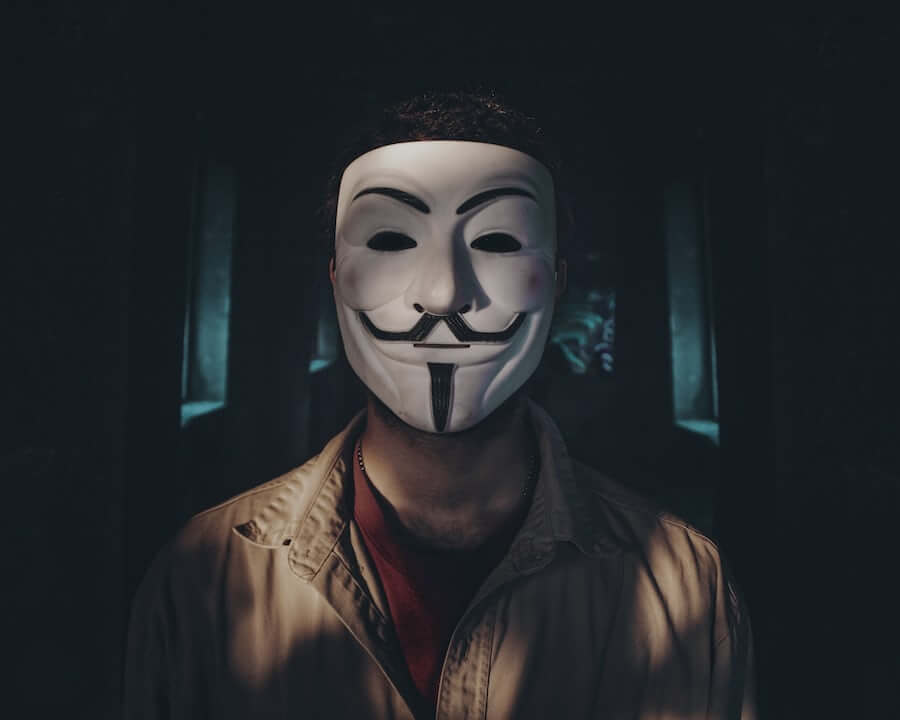
    Now, it seems the collection has gotten the attention of anonymous, a popular hacktivist group. This comes as the group sent out a public message on its Twitter account on August 14, 2022, to the Bored Ape Club.

    The Bored Ape Under Investigation?

    So, why is perhaps the most famous hacktivist group in the world investigating an NFT collection? Well, this all stems from age-old allegations of the Bored Ape founders and the imagery of the NFTs having some Nazi connections. 

    Founding members of the Bored Ape Club have denounced these claims repeatedly, with one even going into detail about the meaning of the collection’s names and symbols. A public refute has even been launched against the person who first started these allegations. But regardless, these rumours have persisted and now, Anonymous have said that they will be investigating them in a newly-released video. 

    “This is a friendly message for enthusiasts of the NFT collection Bored Ape Yacht Club. It has come to our attention that many of you may not be fully aware of the ongoing accusations involving the collection and its representative art,” the video states, noting that the group wants to open a discussion regarding the collection. 

    Anonymous Sends Message to Bored Ape Yacht Club

    In what will allegedly take several months, Anonymous intends to investigate all the claims made about the Bored Ape Club, including accusations of racism and Nazi affiliations. The findings of this investigation, the video assures, will be made public and also revealed to Bored Ape collectors.  

    This is perhaps one of the first times that Anonymous has gotten themselves concerned with an NFT collection. Some of the group’s most recent public statements were in 2020 during the Black Lives Matter protests, as well as hacking into Russian TV channels in 2022. The group, which is perhaps the most famous hacktivist collective on the planet, getting involved in NFTs might come as a surprise to some. 

    While these allegations have been denied by the team behind the Bored Ape Yacht Club multiple times, it will be interesting to see what, if anything, is uncovered by Anonymous. 

    Ape Controversies 

    Being as profitable and popular as it is, the Bored Ape Club was bound to run into some controversy, from criticism of its artistic integrity to its collectors being targeted. But the accusations of racist Nazi affiliations are perhaps the biggest controversy that follows the collection. 

    So big that the top hacktivist group in the world has gotten involved. This new investigation could go either way; it might, for once and for all, vindicate the Ape club and its founders. Alternatively, it could be the catalyst for the Bored Ape Yacht Club’s biggest scandal of all time.

  • Streamer Amouranth Announces New Adult NFT Marketplace

    Streamer Amouranth Announces New Adult NFT Marketplace

    One of the benefits of NFTs becoming such a force within the world is that over time, there are more opportunities for niche projects to spring up. From the NFT collections that cater to very specific niches of consumers to the different services that address their needs, the average NFT lover can always find something for them. 

    Now, Amouranth, a popular streamer, has announced that she is partnering with a new project to launch an NFT marketplace for adult content. According to Amouranth, this platform will go up against industry giants like OnlyFans once launched. 

    The Incoming Marketplace 

    The new marketplace that is going to be launched will be called Shush Club and will offer creators several avenues for making a living. Currently, she is listed as a brand advisor for the platform and has been promoting it to her millions of fans ahead of its new products and services launches. 

    “I’m super excited to be working with Shush Club on their content platform. With instant payouts and a marketing portal that actually connects content creators with affiliate marketing and advertising deals, Shush Club is going to be a total game changer,” Amouranth said in a Twitter announcement. 

    So far, it is known that Shush Club will be a blockchain-based solution for creators wanting to connect to fans and offer adult-type NFTs for sale. It will also offer entry into the market for new creators with various investment tools and the adult NFT marketplace itself. 

    Streamer Amouranth Announces New Adult NFT Marketplace

    And this isn’t the only project that Amouranth will be involved in. She has also announced plans to set up ‘an e-girl agency’ to help fellow female creators in their content creation and in the business aspect of the industry. 

    While taking on big names in the industry and combining NFTs with content creation is a mammoth task, the streamer has experience in both. She is currently one of the most followed streamers on Twitch and a top earner on OnlyFans. 

    In terms of NFTs, she has released a number over the years, earning hundreds of thousands of dollars in the process. Now, she is looking to help others like her profit from their following through NFTs. There certainly seems to be a market for adult NFTs and offering tools to help creators connect with fans only meets this need. 

    More information will be provided by Amouranth as these projects progress.

    Why These Platforms Are Needed

    It is clear that NFTs aren’t going anywhere anytime soon. Creators of all niches these days are tapping into fan demand and releasing all sorts of digital assets. With this in mind, Amouranth’s incoming marketplace is more needed than ever.

    The lack of support and resources is perhaps one of the biggest reasons why some creators don’t or can’t get into the NFT space. But with platforms that are created to serve a specific niche of creators and usher them into the NFT space, these barriers are removed and even more creators can earn a living through blockchain-based assets.

  • OpenSea Makes Revision to Stolen NFT Policy

    OpenSea Makes Revision to Stolen NFT Policy

    Of all the challenges that the NFT space faces, stolen assets are perhaps one of the biggest ones. From everyday people tricked into phishing schemes to owners of choice assets targeted for them, many NFT holders have had their precious items stolen. 

    But after these NFTs are taken, they often end up back on marketplaces, with the thieves trying to make a profit reselling them. This has often led to marketplaces freezing them once they are informed or taking some other action. Now, OpenSea, the biggest NFT marketplace in the world, has been forced to make a revision to its new policy on stolen NFTs. 

    Policy Changes 

    The initial policy outlined by OpenSea was that if any NFT asset listed on its platform was reported as stolen, it was immediately ‘frozen’ by the site. 

    “When we are notified of potentially stolen items, we disable the ability to buy, sell, or transfer the items using OpenSea to make sure we’re complying with legal requirements and protecting users,” its website currently states. 

    This has already happened in the past but OpenSea has since received pushback on the policy. The reason for this is that some believe it unfairly punishes those who have unknowingly bought stolen NFTs. 

    While freezing assets reported as stolen means that the thieves can’t profit from them, it also means that an innocent person who unknowingly bought them might also be affected. After taking all this feedback into account, OpenSea has announced that it will make some changes to this previous policy. 

    OpenSea Makes Revision to Stolen NFT Policy

    The first change is that when an asset is reported as stolen and frozen, the person making the claim has to submit a police report within seven days confirming that the asset has been indeed stolen. If they can, further action can then be taken. If the police report is not provided within that timeframe, the hold on the NFT will be lifted. This will be applied to all new stolen NFT claims. 

    This change is to help deter any false reports and not hold NFTs hostage after a claim is made. The process of rescinding a stolen NFT claim has also been made easier by OpenSea. Whether after the NFT has been recovered or the filer simply wants to discontinue the claim, it will be much easier now. 

    This is yet another step being taken by the site to address the ever-present issue of stolen assets. 

    Dealing With Stolen NFTs

    This policy change and its subsequent adjustment, spell good things for the NFT sector. They mean that rather than simply accepting theft as a part of the industry, platforms are putting systems in place to protect both those affected by the theft and anyone who unknowingly purchased these assets. 

    Given how influential OpenSea is, we are likely to see similar policies pop up on other NFT marketplaces. And as this system becomes even more efficient, stolen NFTs will be easier to flag and hopefully recover by their original owners.

  • Microsoft Excel NFT Collection Goes Live

    Microsoft Excel NFT Collection Goes Live

    The NFT space has seen a lot of interesting art concepts over the years; pixelated animals, 3D art pieces, and even generative art. But Microsoft Excel spreadsheet art is perhaps a new spin on NFT creativity. But that is exactly what we have gotten from DataRails, a financial firm, which has commissioned the first-ever Excel art NFT collection.

    This novel collection features five spreadsheet pixel art pieces and they are being sold to raise funds to support the victims of the Ukraine-Russia war. This is the latest in a growing list of Ukraine support efforts that have leveraged NFTs.

    All About the Collection 

    The NFTs being sold depict different scenes from the ongoing war, as well as a portrait of Ukrainian President Volodymyr Zelensky, which is in line with its fundraising purpose. Not only is it notable for its subject matter and purpose but also marks the first time that spreadsheet doodles are being turned into NFTs.

    Each NFT in the collection has been priced at 1 ETH each and all the proceeds will be donated specifically to Heart to Heart International, which is focused on providing healthcare to those in need. 

    It is often said that pretty much anything can become an NFT and this collection proves that right, taking an age-old activity of bored office workers and turning it into a commercial art form. But as the management of Datarails is quick to emphasise, this collection is not offering an investment opportunity for its buyers.

    Microsoft Excel NFT Collection Goes Live

    Instead, they say, it is more akin to a traditional charity donation that comes with a token of appreciation but in digital form.

    “Excel is the canvas used by anyone in finance to create ideas, innovation and financial models. In this experiment we took this concept a step further,” says Didi Gurfinkel, the co-founder and CEO at DataRails, “Excel has literally been used as a palette to produce a one-of-a-kind experience for CryptoArt and spreadsheet enthusiasts to own. We hope this project will help show the broad canvas of Excel while raising funds for the plight of those in Ukraine.”

    These days, we are seeing more and more NFTs being leveraged as a tool for goodwill. The conflict in Ukraine, in particular, has been a catalyst for many organizations, both private and government-affiliated, to sell NFTs to raise funds. There has also been the use of NFTs for documenting the war itself in real time, showing how useful blockchain-based tools are in the modern world.

    Unlimited NFT Art 

    It’s almost a cliche phrase at this point that anything can be an NFT. This project clearly shows that the sentiment is being taken seriously. And that is ultimately a good thing. Something as casual as a spreadsheet doodle should be mintable as a digital asset. 

    As this project also shows, such things have value to people, even if it is a token asset for a charity initiative. As more NFT innovations come into play, we will likely see even more interesting things minted on blockchains for public good.

  • Rembrandt Foundation to Auction Pieces of Painting as NFT

    Rembrandt Foundation to Auction Pieces of Painting as NFT

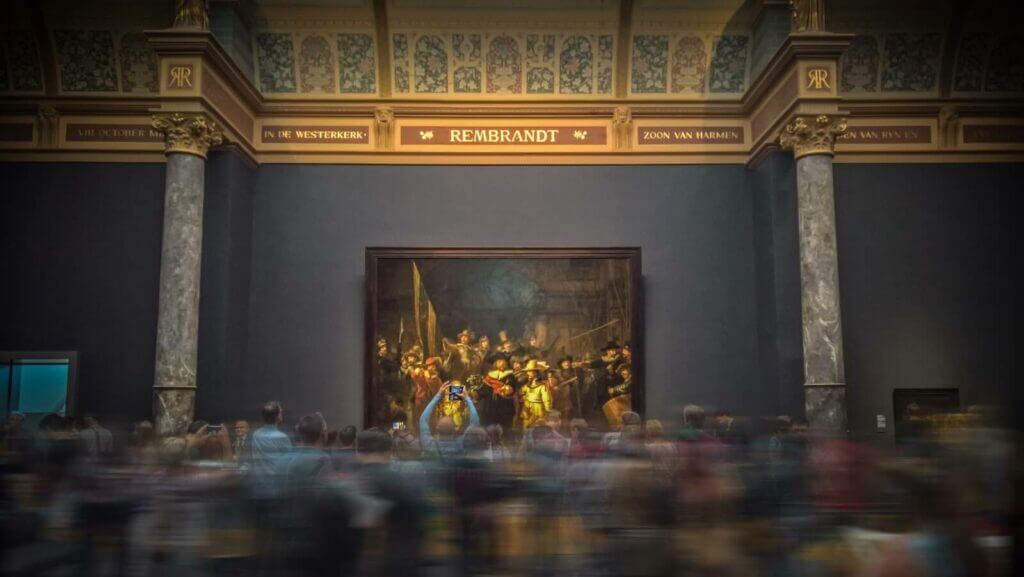
    If you’re an art lover, you’re likely familiar with Rembrandt Harmenszoon van Rijn, the Dutch painter, as well as his famous work  ‘Night Watch’. If you also happen to be an NFT lover, then you’re in luck! 

    The Rembrandt Heritage Foundation, an organization dedicated to the preservation of the painter’s legacy, has announced an upcoming NFT collection. The pieces, which are being sold to raise funds for a virtual Rembrandt museum, will feature thousands of fragments of the famous painting restored to their original image. This announcement was made on August 11, 2022.

    Saving Art

    The Rembrandt Heritage Foundation is known for holding exhibitions and offering digital versions of the artist’s work and is now focused on bringing them to the digital world. To raise funds for this purpose, the foundation has announced that they will be dividing Night Watch, Rembrandt’s most famous image, into 8,000 different pieces which will be sold as NFTs.

    Moreso, the version of the painting to be sold will be representative of how it would have looked when first completed in 1642. Some parts of the original had been cut off over time but it had been digitally recreated by late Rembrandt expert Ernst van de Wetering.

    Rembrandt Foundation to Auction Pieces of Painting as NFT

    Each of these pieces will be sold for around 200 to 300 euros on Opensea and when they are bought, the buyer will not know what exact piece they will receive initially. The benefit for them is not only ‘owning’ a piece of an iconic painting but they will also be considered founders of the upcoming museum and have free access to it. 

    “This is the only place in the world where all paintings by Rembrandt van Rijn have been remastered, digitally optimally restored to their original state, and can be admired in high definition,” the statement said. 

    The new museum will be one of the largest digital collections of Rembrandt’s work, with 306 potential paintings to be displayed. But the foundation is not the only one that has been making use of the painter’s creations. For example, several Rembrandt works have been minted and sold as NFTs online. 

    But the foundation has made it clear that it is not a case of stolen work.

    ‘The Rijksmuseum has an open data policy, and that means everyone can use rights free images for this sort of purpose,’ the foundation said in a statement to Dutch News. 

    Get Your Rembrandt 

    This upcoming collection offers immense benefits for both the foundation and the buyers. For the foundation, it is a chance to preserve the work of an iconic artist and expose his legacy to an even wider audience. We’ve seen NFTs being used for this purpose on many occasions, such as with the Czech noble family.

    For buyers, it means getting their hands on a digital Rembrandt, which is a once-in-a-lifetime opportunity for an art enthusiast. With how well NFTs have been embraced by the art world, it is clear that many more iconic paintings will make their way to the metaverse soon enough.

  • NFTs to be Regulated Under MiCA Law, Says Official

    NFTs to be Regulated Under MiCA Law, Says Official

    For the average NFT enthusiast, the difference between a Bored Ape and Bitcoin is quite clear. But for NFT novices and even regulators, distinguishing between these different digital assets and thus creating laws for them, might be a bit trickier. Even as more NFT adoption is secured, many NFT lovers advocate for clearer and better laws for the sector. 

    Now, at least for the EU, there is some more clarity about how NFTs will be treated. This comes following comments made by an official at the recent  Korea Blockchain Week in Seoul. 

    News About Regulations 

    According to the official, NFTs will be regulated under the Markets in Crypto Assets (MiCA) laws which were officially announced in June 2022. This law gave a number of stipulations on how crypto ventures that operate in the EU had to meet. 

    These included having to publish a whitepaper, register with relevant authorities, and maintain bank reserves in the case of stablecoins. Now, the official is claiming that NFTs will be held to the same standard, even though there are some disagreements, even among those close to the situation. 

    Peter Kerstens, an adviser for technological innovation at the European Commission, has said that the commission has a narrow view of NFTs and how they should be treated. 

    Initially, many assumed that NFTs would be exempt, given that the final draft of the law stated that unless they also constitute a crypto asset, the requirements do not apply to them. But as Kerstens said in a recent interview, they might still fall under these requirements in practice. 

    NFTs to be Regulated Under MiCA Law, Says Official

    “If a token is issued as a collection or as a series – even though the issuer may call it an NFT and even though each individual token in that series may be unique – it’s not considered to be an NFT, so the requirements will apply,” Kerstens said.

    But what does that, and the statements from the official, mean for NFT projects? For starters, it means that NFT projects will have to release whitepapers in order to safely operate in EU countries, a move that Kerstens has deemed ‘silly’. It also means they will have to go through extra steps when it comes to registration with appropriate bodies. 

    Finally, it means that the MiCA laws, which were created to protect crypto investors, will be blanket applied to a whole other industry. 

    The Need for Better Laws

    With this new development, NFT lovers in the EU and around the world are yet again faced with regulations that do not favour the industry. But what is the cause of all of these? Mostly, this can be attributed to a lack of understanding of the industry. 

    Most people who are knowledgeable about blockchain can see off the bat why this is not the best idea. But as Kerstens explains, many of the people who are making these decisions are not as knowledgeable. Hopefully, more blockchain education over time will mean better regulations for NFTs.

  • Paris Hilton to Sell NFTs, Host Metaverse Parties

    Paris Hilton to Sell NFTs, Host Metaverse Parties

    At this point, celebrities and NFTs are so closely intertwined that NFT culture is incomplete without them. Whether it is celebrities endorsing specific collections or launching their own, it is impossible to deny their influence on the space. With each new project announcement, it seems celebrities are doing even more with NFTs and web3 as a whole. 

    The latest star to throw their hat into the ring is Paris Hilton who revealed in a new interview with CNBC that she will be launching new NFT collections, as well as virtual events, in the Sandbox metaverse. 

    Paris Hits the Metaverse 

    All these projects will be developed by Hilton’s own company 11:11 Media. The current plans are for Hilton to launch a virtual ‘land’ in which she will host events with avatars reminiscent of her real-life appearance. These events will include parties and social interactions in a virtual reincarnation of her home. 

    While Paris has already developed virtual spaces in Roblox, she is looking to expand on this to other sites. Luckily, the Sandbox already has experience developing metaverse projects for celebrities, having worked with noted NFT enthusiast Snoop Dogg in the past.

    “Snoop Dogg released his world in there, which is incredible, and I was so excited when I saw that. I’m really excited to bring Paris world all over — we’re going to be working with a couple other platforms,” Hilton says. 

    Paris Hilton to Sell NFTs, Host Metaverse Parties 

    While she has gone into details regarding what the platform will offer; digital wearables and exciting experiences, she has not disclosed too much about the upcoming projects. Hilton has also reiterated that these projects are not overly focused on the revenue at the moment. 

    Regardless, her foray into the web3 space has been successful thus far, with her Roblox-based “Paris Hilton World” receiving over half a million visitors since its launch last year. Hilton has also hosted and DJ’ed several metaverse events including a New Year’s Eve party and a carnival. Now, she wants to take these events even further in the digital world. 

    As she puts it, the metaverse offers fans the chance to engage with her in a way they would not be able to in real life. For her, it also means getting to interact with more fans while cutting down on her travel plans. Hilton famously DJ’ed an event while on her honeymoon without having to travel for it. 

    Partying With NFTs

    In the next few years, we’re going to see a lot more web3-based entertainment events featuring our favourite stars. As Paris Hilton’s success thus far shows, there is a demand and a market for these experiences and many benefits to be had, along with the potential for changing entertainment as we know it. 

    For example, compared to the many challenges you might face in real life, partying with Paris Hilton in the metaverse is easier than you can imagine. And, of course, NFTs will be in the mix, whether as collectables, a means of entry into these experiences, or anything in between.

  • Czech Noble Family Selling NFTs to Preserve Legacy

    Czech Noble Family Selling NFTs to Preserve Legacy

    NFTs, as most of us know, are often sold to raise funds for different purposes, one of which is often the preservation of precious items. We’ve seen this with Paco Rabbane launching NFTs to buy back its archives and with the controversial program that apparently is using NFTs to preserve land in the Amazon rainforest. 

    But we’ve never seen anything quite like this; the Lobkowicz family, a noble family from the Czech Republic, is selling NFTs in order to preserve their family’s legacy assets, including their several castles, a palace, and a horde of rare items like books and musical compositions. 

    Keeping it in the Family 

    The Lobkowicz family has a long history spanning hundreds of years, with some of their ancestors being diplomats and advisors to kings and fraternizing with iconic figures like Ludwig van Beethoven. Unsurprisingly, the family has amassed an impressive collection of artefacts over the years, including an early copy of Beethoven’s Fifth Symphony and several items that have been deemed Czech cultural monuments.

    Following the fall of the Soviet Union in the 90s, the modern members of the family returned from America to the Czech Republic to reclaim their family heritage. But as you can imagine, restoring artefacts at this level is not cheap, especially given that traditional philanthropy channels are not as lucrative as they used to be. 

    Now, the family, who collectively work on preserving this legacy, have turned to NFTs, releasing The Lobkowicz Collections to fund these efforts. How this works is that the family releases the NFT of a painting that needs restoration and the cost of the NFT reflects the cost of the restoration itself. When someone chooses to buy it, they are recorded on the blockchain and get another NFT later on as a token of patronage. 

    Czech Noble Family Selling NFTs to Preserve Legacy

    So far, the family has raised over $300,000 which has greatly helped the preservation of their assets. And as they explain, this isn’t a case of NFTs being sold for the sake of it but an innovative way for people to support the preservation of historical items. 

    “It’s important for people to understand that this isn’t about just JPEGs attached to a digital receipt — we’re talking about different applications that can change the way we build communities of people who care about culture and see the potential of using web3 technology to preserve it,” says William Lobkowicz, a son of the family. 

    Preserving Through NFTs

    Even with their success so far, the Lobkowiczs show no signs of slowing down, with current plans including POAPs — Proof of Attendance Protocols, which can be incorporated into the tours and exhibitions they run on their estates. 

    Their conservation efforts, ultimately, show a whole new side to NFTs and demonstrate how valuable they are in the world, not only for things like modern art but also for the preservation of the past. As Lobkowicz himself explained, ″It’s not just about selling NFTs to support cultural monuments, but it’s also looking at: How do we preserve a record of our history?”

  • Advertising Watchdog Reaches Out to NFT-Loving Celebrities

    Advertising Watchdog Reaches Out to NFT-Loving Celebrities

    Many things have contributed to the rise of NFTs in the wider world and one of these has been the influence of celebrities. From David Beckham signing on as a spokesperson for an NFT company to Snoop Dogg’s public love of all things NFT, celebrities have certainly done their part in bringing them to the limelight. 

    Now, consumer watchdog group Truth in Advertising (TINA) has urged 17 top celebrities to be more forthcoming about their involvement in NFT projects they have pushed to the public. This comes as the watchdog announced on August 8, 2022, that it has sent letters to several celebrities including Floyd Mayweather and Tom Brady.

    Coming Clean 

    As per the statement on its website, TINA sent letters informing the celebrities that if they have any material connection (potential financial benefit or stake) with the NFT projects they promote on their social media, they have to be transparent about it. This is not only being pushed for the sake of ethics but also in accordance with regulations by the Financial Trade Commission. 

    For years, disclosure by celebrities about the goods and services they promote online has been a hot button issue, even leading to the creation of the ‘sponsored post’ feature on sites like Instagram. But when these first came to light, the controversy was regarding things like diet supplements and medical products. 

    Now, NFTs are being thrown into the mix and TINA is taking action, from the last batch of letters sent to Justin Bieber and Resse Witherspoon to this latest one. As per the statement, some of the NFTs being promoted include collections like Bored Ape Yacht Club, World of Women and Autograph. The issue with these promotions is that oftentimes, the celebrity has a stake in the collection (such as Bieber being listed as a partner for the inbetweener’s collection) but does not disclose this to fans.

    Advertising Watchdog Reaches Out to NFT-Loving Celebrities

    The issue with this lack of disclosure, TINA explains, is that fans might then go on to purchase NFTs with the impression that their favourite celebrity has endorsed them, not realizing their connection to the project. 

    “But the bottom line is celebrities who promote NFTs generally aren’t helping improve the financial literacy of their fans and followers. And while some of these celebrities are able to take risks due to their massive wealth, many vulnerable consumers don’t have that luxury,” the statement says.

    Disclosure 

    Just like with celebrity endorsements of consumer goods when social media was still new, it is important that proper disclosure be put in place for NFTs. This is because transparency only serves to benefit NFTs as an industry and improve their public image. Second, regulators like the FTC will likely come down harder on NFT promotions moving forward, spurred on by pressure from watchdogs like TINA. And staying on the right side of law only protects NFT projects even more.

    Finally, it ensures that NFT buyers can make informed decisions about what NFTs they choose to put their money into.