Category: News

  • Sony Files for NFT Patent

    Sony Files for NFT Patent

    Despite the criticism from some fans and the mixed response from the public, the gaming sector still seems very interested in pursuing NFTs. Case in point, GameStop launched its own NFT marketplace and the NFT gaming field only grows more prominent by the day. 

    NFT fans will be excited to hear that Sony, the parent company of the popular PlayStation console, might be tossing its hat into the ring. This comes as the company has allegedly applied for a patent that would track in-game digital assets. This patent, which was applied for back in 2021, has just been made public. 

    Sony Getting into NFTs?

    Speaking on the patent, the company cited the popularity of gaming around the world and the demand from fans to own their own in-game assets. As such, its patent is looking to leverage a distributed ledger system that would record the details of in-game assets such as video clips and issue a unique token to distinguish one from the other. This, as many have pointed out, sounds a lot like an NFT. 

    And as the company has explained, in-game assets already exist in many games. The problem is that all the assets are alike and players have no way to know if one of the assets is especially unique. 

    Sony Files for NFT Patent

    “In traditional video games, there is no way to differentiate a specific instance of an in-game item that a famous player of the video game used to win a famous tournament from any other instance of the in-game item,” Sony says. 

    Sony also noted that changes to an asset over time can be recorded on a blockchain, including its ownership. This ability to trace the history of an asset has been touted as one of the many benefits of blockchains and its by-products like NFTs and it seems Sony agrees with that sentiment. And considering how big the Sony gaming empire is and all the titles under its belt, there is massive use potential for this sort of development. 

    “Changes to properties of the digital asset, such as ownership, visual appearance, or metadata, can be identified in a request to update the history. A new block can be generated for, and appended to, the distributed ledger identifying the changes to the history of the digital asset,” the company said. 

    How this Sony Move Can Change the Industry 

    Those familiar with gaming will tell you how much of a force Sony is within the industry. As such, if these plans materialize and NFTs do begin appearing within Sony and PlayStation titles, it would have massive implications for the industry. 

    First, it would signal to other companies how valuable NFTs are and could lead to more embracing them. It could also possibly lead to more gaming fans warming up to NFTs. But most of all, it could change the way that gamers interact with titles in that having the history of various assets accessible at all times and having assets distinguished from each other as the norm.
  • Nike Announces NFT Platform

    Nike Announces NFT Platform

    Adidas might have made a splash in the NFT world with its ‘Unbox the Impossible’ NFT drop but it is about to have some serious competition on its hands. As recent stats show just how much money sports and apparel companies made from NFTs in the last year, other big names in the industry were bound to try their hands at NFTs as well as secure their existing place in the market.

    The latest of these is none other than Nike, which has announced an upcoming NFT platform to be called .Swoosh. This also comes just months after the company acquired RTFKT, a digital apparel company. 

    .Swoosh Coming Soon 

    As per the official announcement, .Swoosh will be the one-stop shop for all of Nike’s NFT efforts and is due to launch in 2023. Registrations for the platform are expected to start this week and onboarding is to last until the end of 2022, with the first launch taking place in early 2023. But it is not to act as only a marketplace for Nike’s NFT ventures as fans may also leverage the platform to become co-creators and even earn royalties from digital assets. 

    Earlier this year, Nike launched digital sneakers for fans and it seems it will be expanding on these efforts moving forward. This means that digital t-shirts, sneakers, and other wearables will be released on the platform that fans can wear within web3 spaces. Given how popular the metaverse has become, it makes sense that fans will want to express their individual style through the clothing that their avatars wear and Nike seems more than happy to meet this need. There will be a slight change, however, in that the incoming collections will be minted on Polygon, an Ethereum sidechain, while the previous ones were minted on Ethereum. 

    Nike Announces NFT Platform

    Then there is the educational aspect of the platform as Nike intends to use it to educate fans about web3 and the benefits it offers them. And there are certainly benefits to be had as these NFTs offer players all sorts of benefits such as physical apparel and the chance to chat with pro athletes. All in all, the platform has been touted as a major benefit for the fans. 

    “We are shaping a marketplace of the future with an accessible platform for the Web3-curious. In this new space, the .Swoosh community and Nike can create, share, and benefit together,” said Nike Virtual Studios GM Ron Faris.

    NikeXNFTs

    Nike has already made its first foray into the NFT space and that was very well-received, grossing millions for it and establishing it as one of the top apparel companies in web3. Now, the company is looking to create a singular space where fans can access all of its content even as it promotes web3 education. 

    Given how much of a leader Nike is in its industry and how big competitors like Adidas are responding with their own projects, we will see more digital apparel options within web3 moving forward.

  • Manchester United to Launch NFTs

    Manchester United to Launch NFTs

    Thanks to the fusion of NFTs and sports, we’ve seen many big names across different sports get involved in the industry. From players like Steph Curry to FIFA, sports fans have gotten their fill of NFT projects in the last few years. 

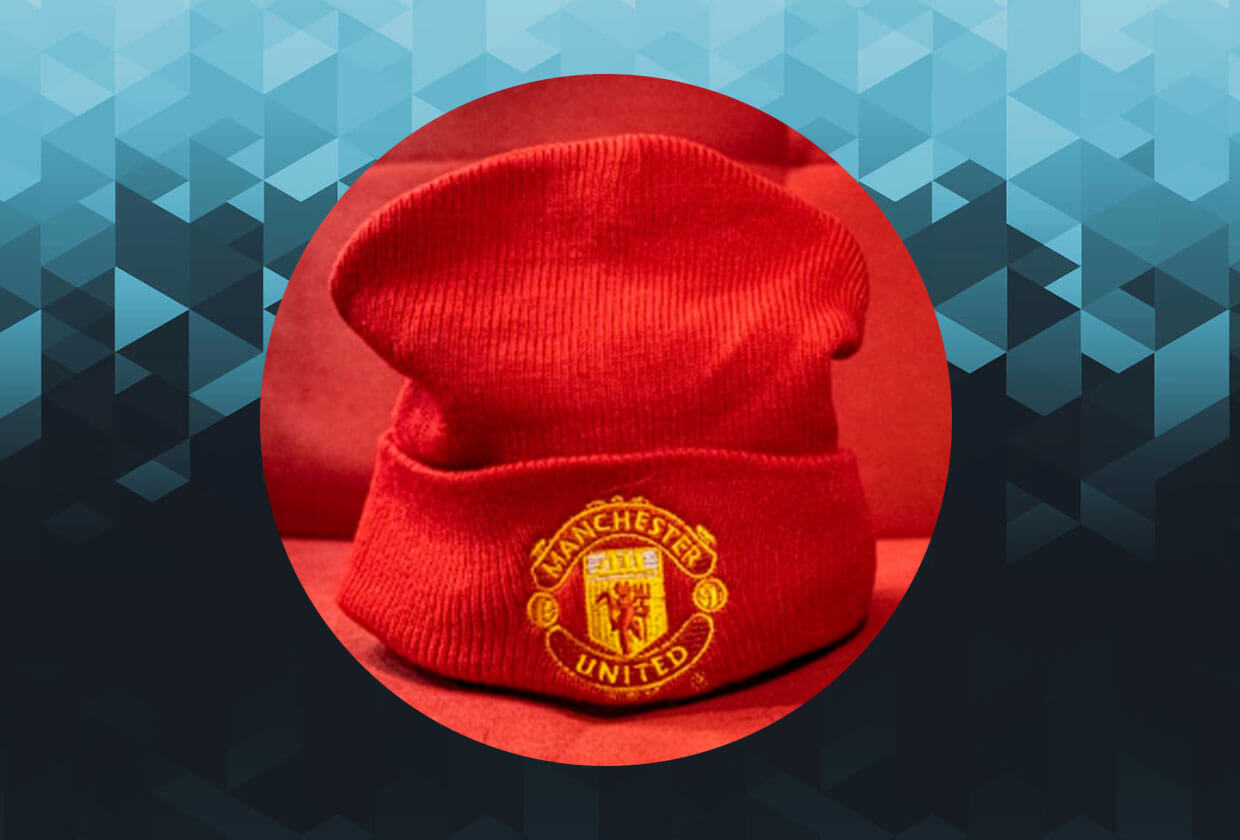
    Now, Manchester United, one of the biggest football clubs in the world, is getting in on the action as it has announced its debut NFT project. This initiative will serve multiple purposes, including giving fans a piece of football history, educating them about web3, and acting as the club’s foray into the world of NFTs, along with a new Discord channel. 

    Manchester United Makes a Big Announcement 

    The NFTs to be launched by Manchester United will be based on the Tezos blockchain, which is renowned for its sustainability. As these Tezos-based NFTs launch, they will initially not be sold to fans but gifted, though the ability to purchase will be made available over time. 

    Once they are launched, they are expected to be priced at £30 each and 20% of the funds raised from their sale will go to the Manchester United Foundation. Each drop, the announcement said, will have a different visual design and all will pay tribute to the club’s legacy and history.

    Manchester United to Launch NFTs

    In line with its goal of promoting web3 education, Manchester United intends to publish tutorial videos on its official social media channels which will explain web3, NFTs, and how fans can get the most advantage from the digital assets that it will put out. The first gifted set of NFTs will enable Manchester United fans to own a piece of the club’s history by getting their hands on its first NFT collection. 

    The club has confirmed that more will follow throughout the incoming football season, and these will most likely see an enthusiastic response from fans as others have. Fans can not only get their hands on these NFTs but also join a new virtual space via the official Manchester United Discord channel. 

    Discord is a popular social media platform on which channels can be created for all sorts of topics and for fans, can act as a real-time fan club where they can meet other passionate fans, discuss topics, and receive announcements from the club about new developments. And that’s not all as fans have a chance to possibly chat with players at Manchester United once the Discord Channel is live.

    How NFTs are Changing Football Culture 

    Football has a very long and passionate fan culture and as web3 becomes more dominant, the way that fans show their love and loyalty to a football club is going to evolve as well. 

    As Manchester United’s CEO of digital products and experiences, Phil Lynch, says, “Much like the football traditions of old, such as collecting match programmes, club badges and sticker books, fans will soon have the additional option to collect this new type of digital memorabilia. The first digital collectible is being gifted to fans by a Tezos-powered platform, and with the support of Tezos Foundation we will join fans on their journey into this new world, with the club providing education and guidance along the way.”

  • Dove Pakistan Launches NFT Campaign for Hair Care

    Dove Pakistan Launches NFT Campaign for Hair Care

    We’ve seen many more corporate brands release NFTs in recent times. Some of these have been to commemorate special events, raise funds for charity, and access premium goods and services. In the case of the latter, customers are given very tangible benefits for their purchase of an NFT and it is fast becoming a popular use case for the digital assets. 

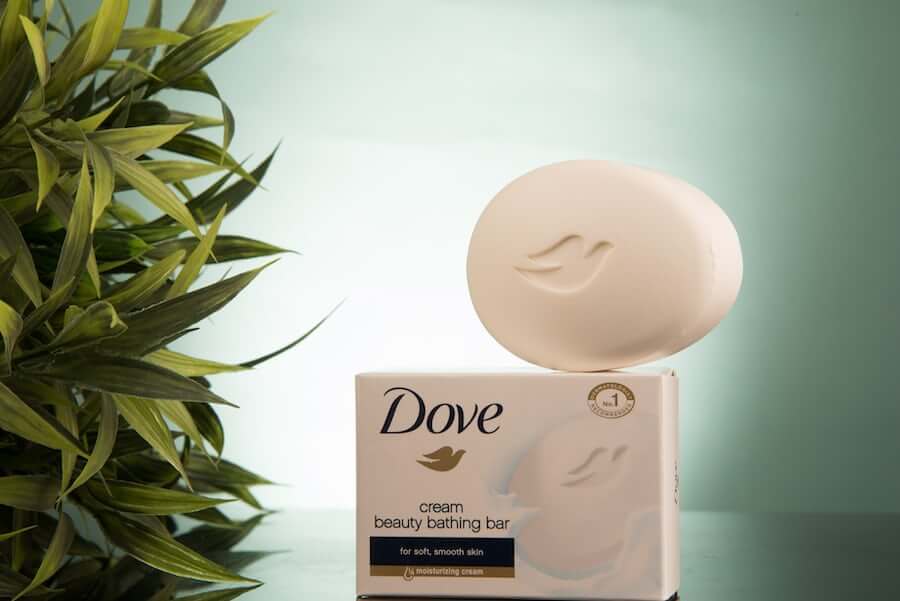
    The latest example of this comes from Dove Pakistan which has launched its ‘Dove Digital Collectable’ which allows holders to not only access free hair care products in the real world but also potentially win a year’s supply of it. 

    Fighting Hair Damage With NFTs

    To get their hands on the Dove digital collectables, users need to enter a raffle from which only 10 winners will be picked. Those who are picked don’t have to mint the NFT themselves, as it was acknowledged that not everyone knows how to. Instead, they will simply have the NFT delivered to their email address. 

    After this, they can show this proof of NFT ownership at a salon and get a free treatment for damaged hair. There is also the possibility of winning a year’s worth of Dove shampoo. This sort of initiative achieves multiple things. First, it introduces customers to NFTs through a brand they are already familiar with. People might usually be sceptical about NFTs but if the messaging is coming from a well-known brand like Dove, they might be more receptive. And in this case, they don’t even need to learn how to mint one; they only need an email address. 

    Dove Pakistan Launches NFT Campaign for Hair Care

    The campaign also promotes blockchain sustainability. There has also been a lot of emphasis within the community on this lately and Dove’s NFTs are minted on the Polygon, in partnership with KlimaDAO, which is working towards carbon neutrality within the industry. And, of course, the campaign is delivering quality hair care for free to customers and giving them the products that they need. 

    Speaking on the campaign, management at Dove Pakistan has also explained that it is looking to embrace new technologies like blockchain and bring them to the masses. 

    “We’re using NFTs to drive brand messaging and, in turn, reward our consumers with long-term utility. Beyond marketing, we see next-gen technologies like NFTs as a gateway to open new possibilities of consumer engagement and brand advocacy through limited edition packs, gamification, and loyalty programs built with blockchain-backed benefits,” said Amanpreet Singh, Unilever’s global media lead for metaverse and web3. 

    More NFT Campaigns Coming Soon?

    The idea of entering a raffle and winning free products or services from a brand is far from a new phenomenon and has appeared in many ways. These have included scratch-offs, raffle tickets included in product packaging, and so on.

    And as technology evolves, so does the way that these sorts of promotions are conducted. This Dove campaign shows that NFTs can be used for such purposes and if it is a success, we could see even more of these campaigns launching soon.

  • FTX Customers Turn to NFTs to Recover Funds

    FTX Customers Turn to NFTs to Recover Funds

    Day by day, the FTX saga continues to unfold. It all started with a liquidity crisis within the now-defunct crypto exchange that eventually led to a bankruptcy filing, an alleged hack that saw hundreds of millions of dollars sold, and a possible buyout from Binance. In the midst of all of this, thousands of customers who used FTX still have their funds stuck in the exchange with little hope of getting them out for a long time…or do they?

    Recent reports show that customers have found a creative way to get around the current freeze on withdrawals and this method involves NFTs. 

    How Customers Are Getting Their Money Out

    It should be noted that the currency freeze on withdrawals on FTX applies to direct wallet withdrawals. However, there is a small loophole which is that FTX is required to allow the withdrawal of funds from within the Bahamas as per regulations in the country. This means that those in the Bahamas can get their money out while those outside of it can’t.

    FTX Customers Turn to NFTs to Recover Funds

    To get around this, some desperate users have struck deals with Bahamian-based FTX users. In these deals, the Bahamian user buys and lists a very cheap NFT on the site and the non-Bahamian user buys it with all the funds that they have locked up. The Bahamian user then collects the funds and gives them to the non-Bahamian user for a fee. 

    This is a simple enough process that many have begun using in an attempt to recover their funds. For example, a European user (E) who has $100,000 stuck on the exchange might strike this sort of deal with a Bahamian (B) user in which B lists a cheap NFT on FTX for  $100,000 which E pays their total balance for. After the balance is paid, B withdrawals the money (as they can since they are in the Bahamas) and sends it to E after taking a cut. 

    The Trouble With Loopholes

    But is all of this worth it? For some users it is. When major exchanges collapsed in the past, most users never recovered their funds and many have been waiting for years in vain. For those with this knowledge, paying a fee and working around some loopholes is a small price to pay. 

    And pay they certainly have. As per some Twitter users, around $50 million in NFT trading volume was recorded on the platform, though this loophole might be skirting not only FTX’s policies but the law itself. 

    According to ​​Matthew Gold, a partner and bankruptcy attorney at Kleinberg Kaplan in an interview with Fortune, “This could be a federal crime if one is taking assets from a bankruptcy estate under false pretenses.” 

    This, of course, depends on where the person initiating this deal is located and it will take a while before the full legal ramifications of this are unravelled. Regardless, it does show that people with money in FTX want their funds released one way or the other.

  • DJ 3LAU Sued Over NFT Song

    DJ 3LAU Sued Over NFT Song

    In the last few years, we’ve seen NFTs being embraced by the music industry for more creative and commercial projects. From virtual bands made up of NFT characters to artists releasing projects as NFTs and official charts recognizing these projects, they’ve come a long way in the industry. 

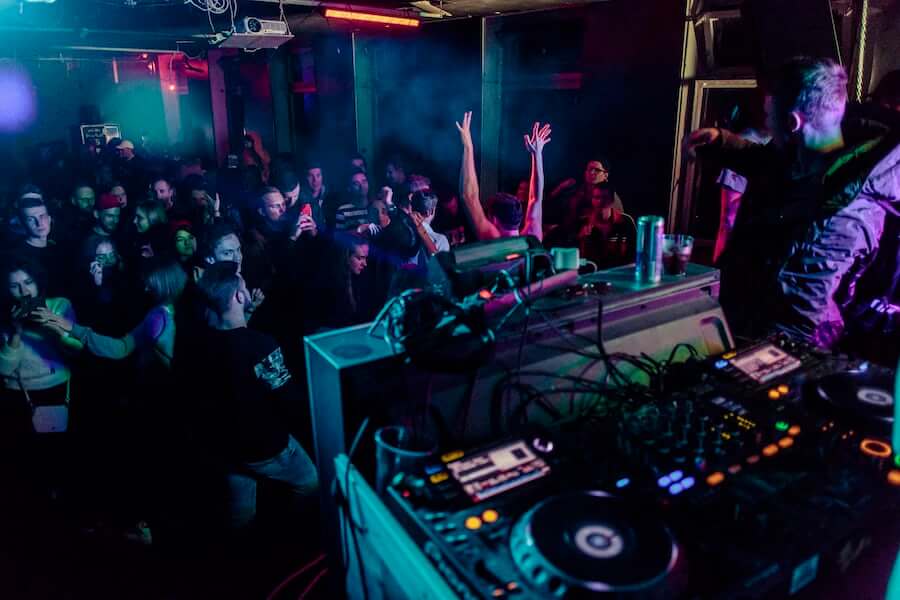
    But with anything that has to do with the music industry, some friction was inevitable, especially when it comes to money. An example of this is the recent lawsuit filed against DJ and producer 3LAU by artist Luna Aura who had collaborated with him on the 2017 track “Walk Away.” 

    What 3LAU is Being Sued

    As per court documents, Luna Aura, whose real name is Angela Anne Flores, believes she was not fairly compensated for her contribution to the song. According to Flores, she was given a one-time payment of $25,000 for her involvement in the song. 

    Years later, 3LAU went on to release an NFT project in 2021 that was centred around his Ultraviolet album and included the song in question. Among the perks that came with the NFTs were unreleased music and a physical vinyl of the album.

    The project was well-received by fans and brought in around $11 million. Flores was not given any of the money from the NFT sale and now, she is suing both the DJ and his namesake entertainment company for unjust enrichment and breach of contract. As her lawsuit claims, the song she contributed to was referenced heavily during the promotion of the NFTs and as such, she is owed.

    DJ 3LAU Sued Over NFT Song

     “All Ultraviolet album sales necessarily include a reference to the song ‘Walk Away’… and concomitantly, at least some of the auction proceeds are directly or attributable to sales of ‘Walk Away’ NFTs.” Nevertheless, Flores alleges she did not receive “any compensation from revenues generated from the NFT project, nor has Luna Aura [received] appropriate credit in connection with the ‘Walk Away’ and Ultraviolet NFTs,” court documents say.

    But 3LAU’s management is hitting back, with his manager Andrew Goldstone saying that they were given no prior notice before the suit was filed and that her team stopped responding after they had tried to reach an agreement. He also noted that “There are no set standards for how to approach an NFT project like this, which involved much more than just the music.”

    The Complexities of NFTs and Music 

    As music and NFTs continue to collide and more money continues to be made, we can expect to see more lawsuits like these. As 3LAU’s manager pointed out, there are no existing standards for how music-focused NFT projects should be handled, especially when other creative elements are involved. This is going to be even more obvious when previously-released works get an NFT rollout.

    After all, when the ‘Walk Away’ song and others were recorded, NFTs were not likely on anyone’s radar in the music industry. As such publishing and royalties laws need to be updated to reflect the current reality lest we see even more suits like this.

  • Chain Auctions NFTs Amidst FTX Crisis

    Chain Auctions NFTs Amidst FTX Crisis

    The ongoing FTX saga has been one of the most captivating scandals in the crypto industry this year. Following a liquidity crisis, the exchange is on the brink of collapse or possibly being bought over by Binance. But even as this all unfolds, FTX itself is not the only institution being affected. 

    In the wake of the crisis, the exchange has suspended all client withdrawals. This means, in essence, that not only can its individual clients not access their money but neither can its institutional clients. The latter, naturally, will affect the liquidity of different businesses, with BlockFi suspending its own client withdrawals. 

    Now, Chain, a blockchain infrastructure company, has announced that it will be auctioning several of its NFTs due to liquidity issues caused by the saga.

    Chain Goes to Auction 

    This NFT auction was made public by Chain’s CEO on Twitter who announced that the NFTs will be auctioned or turned over to a fractional DOA. The latter would mean that fractions of ownership of the NFTs would be sold.  The firm is reportedly seeking to raise 800 ETH from the sales of the NFTs.

    “​​My NFT Collection is now available. It will either be sold to the highest bidder or be placed in a fractional DAO where I will be selling 80% ownership for 8k ETH to the community. DMs open. Check them out,” the tweet said. 

    Among the assets to be sold are Alien Tiffany Punk 5822, 9 Tiffany Punks, Gold Ape 232, 6 BAYCs, 3 Mutants, 4 Otherside plots and an ENS. All these are blue-chip assets which begs the question of why the company is choosing to sell them off. 

    Chain Auctions NFTs Amidst FTX Crisis

    Well, according to a Twitter thread by its CEO on November 10, 2022, this is all the fault of FTX. Apparently, the company has holdings in FTX and just recently made a major deposit to it. The fact that withdrawals have been suspended means that Chain cannot get its money out.

    Now, it has resorted to selling the NFTs in its roster before it too is dealing with an FTX-type liquidity crisis. The situation is rather unfortunate given the rarity of some of the assets and this was a sentiment shared by several Twitter users. 

    It has not yet been revealed if any of the NFTs have been sold and how much has been raised if so. 

    The Ripple Effect of Crypto Collapses

    When a giant like FTX collapses, it is inevitable that there will be an effect on the industry, both on individuals and institutions. But this collapse is different from those of the past because we are seeing, in real-time, the role that NFTs play. 

    This is because many crypto holders also use NFTs as a store of wealth or to hedge their bets against the market. When liquidity is low, these NFTs can then be sold off as we have seen in Chain’s case. And if the FTX saga is not sorted out soon, they might not be the last to sell their NFTs to stay afloat.

  • Bored Ape Founders Weigh in on Royalties Debate

    Bored Ape Founders Weigh in on Royalties Debate

    It seems royalties are the hottest topic in the NFT sector these days. Following a wave of projects and exchanges revising their royalties policies, those within the industry have been going back and forth about whether royalties should be paid as a default on NFTs, how much should be paid, and who should enforce them. 

    Now, the founders of the Bored Ape Yacht Club, one of the biggest NFT projects by price floor, have weighed in on the issue as well. This was done in a November 8, 2022 blog post that was published by Bored Ape co-founder Wylie Aronow and co-signed by the other co-founders Greg Solano and Kerem Atalay. 

    Where Does the Industry go From Here? 

    This blog post, it was revealed was written in response to OpenSea’s controversial decision to make royalties optional for creators on its platform. This, Wylie said, was not great and would be affecting creators. Using the Bored Ape as an example, he noted that OpenSea would have made about $35 million from the 2.5% fee that they charge on its NFTs and that if the marketplaces made this much, so should the creators. 

    However, Wylie noted that the industry is being plagued by what he calls a ‘race to the bottom’. 

    “[…] marketplaces across the ecosystem have gone from softening their commitments to enforcing creator royalties to outright ditching them in a race to the bottom in an attempt to gain market share. Just days ago, OpenSea made its position clear that they intend to move with the rest of the herd and remove creator royalties for legacy collections from their platform while keeping their trading fee the same across the board,” he said, adding that royalties are an integral part of the NFT creator landscape and should be protected. 

    Bored Ape Founders Weigh in on Royalties Debate

    One way that Wylie suggests is through allowlists. These allowlists would be embedded in the smart contracts of NFTs to allow movement between individual wallets for free but deny any transaction from a marketplace that doesn’t enforce royalties. If a smart contract (which is used by NFT marketplaces) has initiated the transfer, it will be checked against an oracle of contracts that are known to respect royalties.

    If the marketplace contract does not respect royalties, the transfer will be denied. In the simplest terms, a list will be created and constantly updated of marketplaces that enforce royalties and creators can code their NFTs in such a way that they will not accept transfers from outside those marketplaces. Wylie did concede that this will take some work as the allowlist will need to be constantly updated, especially as new marketplaces spring up but can be done.

    The Royalty Wars 

    The current industry trajectory shows that marketplaces will continue to switch to zero-royalty policies for the foreseeable future. For those who want to stop this, Wylie has explained, it will take some level of ‘boycotting’ in the form of not dealing with these zero-royalty marketplaces, even at the point of NFT coding.

  • OpenSea Walks back on Royalty Strategy 

    OpenSea Walks back on Royalty Strategy 

    A few days ago, OpenSea made headlines when it announced a change to its royalties policy. The issue of royalties has been a major one in the crypto industry for a while now, with many marketplaces and collections making royalties optional or scrapping them altogether. OpenSea seemed to jump on the bandwagon by announcing a new royalties-enforcing tool that creators could opt to use.

    In its announcement, OpenSea said that creators would be the ones to decide if their work would come with royalties attached and that they would no longer be automatic. Finally, OpenSea gave itself a deadline of December 8, 2022, to collate feedback from the community to decide how to move forward. After immense backlash, OpenSea has now walked back on its initial decision.

    OpenSea’s New Stance 

    On November 10, 2022, barely a week after the initial announcement was made, OpenSea published a Twitter thread updating the community on its new stance. This stance is that it will continue to enforce royalties for all NFTs on its platform and not have it be ‘opt-in’ as previously said. It was also noted that at the time the announcement was made, OpenSea was seeking feedback from the community and it was this feedback that led to the policy reversal. 

    “When we began seeking guidance from our community, it was to understand a range of perspectives (from creators, collectors, and builders in this space) that would help us make sense of trends and behaviors we were observing,” the thread said, noting some of these observations.

    OpenSea Walks back on Royalty Strategy 

    For example, OpenSea said that when NFT holders try to sell their NFTs during a period of financial hardship, they often moc such assets to zero-royalty marketplaces to maximize their earnings. This has a ripple effect on the rest of the industry in that as these NFTs are being increasingly moved to zero-creator marketplaces, others have to flock there to get the NFTs they want, regardless of their stance on the issue. 

    OpenSea also said that this trajectory has affected even the biggest collections in the industry, whose creators are losing massive amounts in royalties. 

    “Simply put, in the last week, almost half of the creator fees set by the top 20 collections were ignored. This amounts to well over $1M for creators left on the table,” the thread said. 

    What OpenSea Will do to Protect Royalties.

    Moving forward, OpenSea will continue to enforce royalties, though it noted that the industry is trending towards lower fees and no single OpenSea policy could reverse that. Instead, it encouraged creators to take steps in order to protect royalties. 

    OpenSea encouraged users to create incentives for their communities to pay royalties, create on-chain royalty enforcement tools, and refuse to link to marketplaces that do not honour royalties. 

    NFT buyers were also encouraged to shop on marketplaces that enforce royalty fees even if it means paying more. While the industry-wide saga of NFT royalties is far from over, it is now clear that OpenSea as a marketplace is pro-royalties.

  • Quran Preserved as NFT

    Quran Preserved as NFT

    One of the beauties of blockchain and its by-products like NFTs is that they offer a certain level of permanence. When a transaction or piece of content is uploaded to a blockchain, it is safe to say that it is permanent and cannot be removed or changed, even by the original owner.

    This is now being used for religious reasons as an organization called IslamiCity has uploaded the entirety of the Quran to a blockchain as an NFT. This, the organization says, is a way of making sure the text is forever preserved and accessible. 

    The Use of NFTs in Religion 

    This new project is called The Quran Verse project and comprises 6,236 NFTs in total. Each NFT represents a verse of the Quran and the NFTs also come with information about each verse, its meaning, and context. 

    Obviously, religious texts have been recorded for millennia. But the advent of NFTs offers a convenient and permanent way to make sure that these texts do not get lost to time. 

    “In every era, sacred texts have been passed down through the use of the most modern technologies of the time. In the mid-1400s, it was the Gutenberg Press. Then it was the internet. Today, it’s blockchain. The goal is still the same: preserve these sacred texts and make them widely available to the public,” said Mohammad Aleem, the Co-Founder and CEO of IslamiCity.

    This is not the first time that a religious text is getting the NFT treatment as the first testament of the bible was also converted to NFT format last year. And clearly, there is a demand among worshipers for this sort of thing as 500 of the NFTs were sold before the project was formally launched, bringing in $45,000. All the funds will be used to create an Islamic autonomous metaverse called the Ummah Network. 

    Quran Preserved as NFT

    But more than just preserving religious texts, the use of blockchain means that such texts cannot be altered by anyone. Given how important they are to those within the respective religions, the accuracy of religious texts cannot be overstated. And with blockchain being the tool of choice, no alterations can be made. 

    “The blockchain prevents such manipulation. Whereas we continue to pass on the Quran through oral traditions and the collective memory of the Muslim community, the blockchain serves as the collective ‘memory’ of the internet. Making use of this technology to faithfully preserve and present the Quran fulfills our collective responsibility to accurately convey this message to humanity,” Jihad Turk, founding President and Dean of Bayan Islamic Graduate School said.

    Preserving Texts as NFTs

    Often, so much of the industry’s focus is on the commercial aspects of NFTs and how much money comes into the sector. But this project highlights the cultural and religious role that they can play. By preserving religious texts, NFTs can find use well into the future for different faiths, ensuring that these texts and the NFTs they become can be referenced for years to come.