Category: News

  • InterContinental Hotels Launches First NFTs

    InterContinental Hotels Launches First NFTs

    We’ve seen NFT applications in fashion, gaming, sports, and much more. But what about NFTs in the hospitality and tourism industry? While it is not spoken of as much, NFTs are finding their way into that space, with the Thai tourism board having released an NFT collection for tourists earlier this year.

    Now, one of the newest developments in this sector comes from the InterContinental Hotels & Resorts Group which has announced its maiden NFT collection. Done in collaboration with artist Claire Luxton, the collection consists of 10 assets, all of which make reference to the beauty of travelling as well as various InterContinental locations around the world. 

    NFTs as a Travel Motif

    In terms of visual style, all the NFTs have flora and fauna elements that Luxton has become known for. These custom-made NFTs are being displayed in a virtual gallery and some InterContinental locations have been made reference to, including the InterContinental hotel in Belém, Brazil, and the InterContinental Resort Mauritius on Balaclava Bay. 

    Those who buy one of these NFTs will get a number of perks attached to it including an NFT featuring custom artwork from Claire Luxton, status as an InterContinental Ambassador, and a one-night stay at the InterContinental Rome Ambasciatori Palace which is to open in 2023. 
    InterContinental Hotels Launches First NFTs

    This first NFT drop will only be available to people who are members of IHG One Rewards, though more access is expected to be granted to others in the future. Bidding for these NFTs will hold until December 9, 2022, and members will be able to use their points to do so. After the NFTs are bought, there will be an embargo on trading them for a year until all the travel benefits attached to them expire. 

    After that, they can be resold as a piece of collectable art. As the management of the hotel group has said, this project is a way to boost both creativity and enhance the customer experience using the most innovative technologies. 

    “Aiming to push boundaries and establish an inspiring new streak of creativity, the exclusive collection will see InterContinental Hotels & Resorts connect with both culture and guests in a contemporary way. This collaboration enables a unique experience that encapsulates the forward-thinking approach of InterContinental Hotels & Resorts,” said Tom Rowntree, Vice President of Global Marketing for Luxury Brands at IHG Hotels & Resorts.

    This marks one of the more interesting applications of NFTs and one of the biggest within the tourism sector. 

    NFTs and Tourism 

    It is no secret that the tourism industry is a massive industry, bringing in billions of dollars each year. This sort of project shows the benefits that NFTs can offer in the industry. Not only will buyers enjoy artwork from an acclaimed creator but also get tangible benefits attached such as the chance to stay in a new luxury hotel. 

    While this is a relatively recent development, it will be interesting to see if more hotel brands hop on the NFT train moving forward and release their own projects.
  • Tezos to Deliver Generative Art in Miami

    Tezos to Deliver Generative Art in Miami

    Last year, Tezos, the energy-efficient blockchain, made headlines when it delivered an interactive NFT exhibition at Art Basel in Miami. This marked the first exhibition of its kind at the annual art festival and showed how far NFTs had progressed in the art space.

    It also seems that it was a success, as Tezos has announced that it will be participating in this year’s Art Basel as well. This time, the exhibition will be an interactive, live-minting experience titled Performance in Code: Deciphering Value in Generative Art. 

    Tezos Comes to Miami

    This exhibition will be created in collaboration with the generative art platform fxhash and will be available to view from December 1, 2022, to December 3, 2022. Its theme is mathematical probability and the ways in which this influences art and its value. 

    To execute this, visitors to Art Basel will be invited to scan a QR code that lets them instantly mint an NFT. This NFT artwork will be displayed on a screen as well as delivered to their wallet. As more people do this, the exhibition space will change to reflect the number of NFTs that have been claimed and those who participate will also be told the value of their pieces.

    Within the NFT world, the rarity of an asset is a major factor that determines its value and those who visit will be able to see this manifest in real-time. What is the value of the first NFT minted vs the last of its batch? This exhibition will reveal this to its participants. 

    Tezos to Deliver Generative Art in Miami

    Several interactive artists will also participate in the exhibition such as Tyler Boswell, DistCollective, and IskraVelitchkova. The exhibition will see codes written by the artists included so that when a QR code is scanned, an artwork is generated based on an artist’s code. Given that artists have different styles, all sorts of works will come out of this for visitors to enjoy. 

    This is a rather unique way for visitors to interact with art. Typically, visitors to an art festival would see art displayed but not necessarily ‘interact’ with it. This exhibition breaks the mould because not only do the visitors get to request an artwork of their own but also get to see its value change in real-time. 

    As with many exhibitions, there is also the discussion aspect of Tezos’ Art Basel appearance. It has been announced that several artists within the Tezos ecosystem will take part in a conversation series that will hold on December 2 from 3 pm to 6 pm and December 3 from 11:30 am to 5:30 pm. 

    The two conversations will be titled ‘Hybrid Worlds: Breaking Creative Boundaries’ and ‘NFTs: Worlding Differently’ and will be hosted by Serpentine Arts Technologies.

    NFT Art

    Tezos’ return to Art Basel shows that NFTs’ presence within the art world is here to stay. And the setup of its latest exhibition shows that NFTs and blockchain have a lot of interactive and innovative concepts to offer the space.

  • MetaMask Announces NFT Pricing Feature 

    MetaMask Announces NFT Pricing Feature 

    One of the constant debates that exist within the NFT space is the price of these digital assets and whether or not they are worth it. From NFT critics who do not believe that they are worth anything to even NFT enthusiasts who question the million-dollar price tags attached to some blue-chip NFTs, the debate is endless. 

    Regardless of what side of the fence you sit on, MetaMask, the popular digital asset wallet provider, has developed a new initiative to help with pricing concerns. Announced on November 17, 2022, this feature is called the NFT Price Estimate and helps users determine the value of any NFT. 

    Know Your NFTs’ Worth

    This feature, as MetaMask explains, uses an algorithm that makes estimates about the worth of any NFT. This algorithm, called the NFT Bank AI, reportedly has a 90% accuracy rate. 

    “We bring another much requested feature to Portfolio Dapp: NFT Price Estimate. Estimates are powered by @NFTbank_ai – their unique algorithm can provide estimates with ~90% accuracy. See what your NFTs are worth at a glance,” the Twitter thread announcement says.

    The tweet was accompanied by a video showing the process of using this new feature. In it, a user connects a portfolio to a MetaMask wallet via a URL and is then able to view the Ethereum-based assets within it. When the user taps on a specific asset, its estimated value, based on the NFT Bank AI, and its floor price are shown. At a glance, the user is able to see how close or far these two figures are and whether the price quoted to them is fair. 

    MetaMask NFT Pricing Feature 

    Currently, this feature is only available to NFT collections on the Ethereum mainnet, though more options are due to come over time. As this takes off, this feature could be revolutionary for NFT holders. 

    “We provide estimates for most major collections on Ethereum Mainnet and will be expanding to more networks soon,” the thread says. 

    This is because the price of an NFT, whether it is being bought or sold, is very important. NFTs, like artwork, often see their value tied to ‘abstract’ concepts like rarity, the creator behind them, and so on. NFT holders can spend days or even weeks trying to determine the value of one of their assets and this AI does so in a matter of seconds by taking several factors into account. 

    Pricing Uniformity Within the Industry 

    It is no secret that the prices of NFTs are wildly speculative and this is a common critique of the industry. However, this new feature from MetaMask is a step in the right direction. 

    Since these prices are based on AI algorithms and not the discretion of a single user, more uniformity across the board in terms of price can be achieved in the industry. This also comes at an interesting time given that many within the NFT sector are trying to move away from overly speculative NFTs and more towards utility. Hopefully, as this tool is more widely used, this goal can be reached.

  • Givenchy Launches Physical NFTs

    Givenchy Launches Physical NFTs

    From Paco Rabanne to HUGO BOSS, fashion fans have seen more instances of NFTs being leveraged by their favourite brands in the last few years. The projects launched by these brands have served an array of purposes, including being used to preserve archives, raise funds for good causes, or even just to give fans a new experience. 

    The latest of these comes from the French fashion house Givenchy which launched a new NFT capsule collection on November 18, 2022. This collection saw NFTs that were linked to physical ‘twins’ being sold to fans and was a result of a collaboration between Givenchy creative director Matthew M Williams and streetwear brand Bstroy.

    This project is also being supported by the Aura Blockchain Consortium, which created the smart contracts and is managing the minting of the NFTs, as well as the web3 project Zine, which previously worked with Diesel. 

    Givenchy and NFTs 

    This project marked the second NFT project that Givenchy has embarked on. It will have 360 NFTs in total and these are based on 6 designs created for the capsule collection, the prices of which range from €520 to €4790. As per Vogue Business, customers who buy a physical piece will be able to access their NFTs via an email that will be sent to them. 

    The benefit of these NFTs is that they grant the users access to a members-only program that is to be launched in 2023. Givenchy has also teased that more utility could be added to these NFTs as time goes on. At the center of all of this is the Givenchy and Bstroy collaboration which saw Matthew M Williams and Bstroy founders  Brick Owens and Dieter “Du” Grams collaborate creatively. 

    Givenchy Launches Physical NFTs

    “Brick and Du are longtime friends who share my vision of fashion as an inclusive space for experimentation and expressing personal style. Together, the three of us focused on creating streetwear with unexpected treatments that resonate beyond fashion and enter the realm of contemporary art on the street and in Web3,” an official statement said. 

    Givenchy has stated that more NFT projects could be coming soon and given the success of its first NFT outing from last year, this could very well be the case. 

    NFTs in Fashion 

    With this, the fashion house joins a long line of high-end designers experimenting in what has now become a very profitable apparel and NFT sector. Companies like Nike saw so much success from these ventures that it is launching its own NFT platform so clearly, the space is viable. 

    It is also interesting to note that Givenchy is looking to add more utility to these NFTs over time and attach real-world benefits to them. This is reflective of a growing emphasis on utility within the NFT space. As NFTs stop being a novel concept to consumers, projects seem to no longer bank on marketing them to buyers for the sake of it. Instead, there is more innovation around what benefits they can offer customers which is beneficial in the long run.

  • Grand Theft Auto Maker Bans NFTs

    Grand Theft Auto Maker Bans NFTs

    One of the most controversial developments within the gaming sector as it relates to NFTs this year was Minecraft’s decision to ban NFTs from its servers. The reason given at the time was that NFTs were not compatible with the philosophy behind Minecraft and this saw a lot of debate within the industry when it was first announced. 

    Well, a similar announcement has been made, this time by Rockstar, the company behind the popular Grand Theft Auto game. This was confirmed in a November 18, 2022 post on its support page. On this page, Rockstar’s stance on third-party servers was made clear, including its ban on ‘commercial exploitation’ which includes the sale of NFTs.

    Rockstar Takes a Stance on NFTs 

    The post by Rockstar was in response to a frequently asked question about whether third-party servers are allowed, which are commonly used by gamers. In the post, Rockstar reiterated that third-party servers are allowed, though noted that the company does not endorse any specific server. 

    “Rockstar Games has always believed in reasonable fan creativity and wants creators to showcase their passion for our games. Third party “Roleplay” servers are an extension of the rich array of community-created experiences within Grand Theft Auto that we hope will continue to thrive in a safe and friendly way for many years to come,” the post says. 

    Grand Theft Auto Maker Bans NFTs

    With that said, the post was quick to emphasise that third-party servers would be subject to Take-Two’s legal enforcement policy. This policy, among other things, bans “commercial exploitation, including the sale of “loot boxes” for real-world currency or its in-game equivalent, the sale of virtual currencies, generating revenue via corporate sponsorships or in-game integrations, or the use of cryptocurrencies or crypto assets (e.g. “NFTs”)”. 

    Other restrictions based on this policy include the misuse of both Rockstar’s and other companies’ IPs, making new games, stories, missions, or maps, or interfering with Rockstar’s official player channels. 

    This makes the company’s policy and position on the matter clear and third-party servers that are found to deal in NFTs run the risk of being shut down. This will be disappointing to GTA fans who would have wanted to deal in NFTs but good news for gaming fans who are not fond of digital assets. 

    Within the gaming community, NFTs are a very polarizing issue and several companies have seen pushback from fans when NFT-based initiatives were announced. On the other hand, companies like GameStop have seen a lot of success with their NFT marketplace.

    The Complications of NFTs 

    Just like with Minecraft’s announcement, this sheds more light on the complicated state of NFTs within popular gaming projects. Clearly, some players want to deal in digital assets and thus, the activities seen on third-party servers. But some of the companies behind the games are having none of it. 
    Seeing as the Rockstar announcement was just made, it will be interesting to see how fans react to this. The Minecraft announcement saw a lot of backlash and perhaps this will as well.

  • X2Y2 to Enforce Royalties

    X2Y2 to Enforce Royalties

    If there is any NFT topic that gets a lot of attention these days, it is that of royalties. Historically, royalties were a way that NFT creators could be assured of a sort of passive income even after their creations had been sold. But lately, a number of marketplaces and projects have been changing their stance on royalties. OpenSea, for example, announced that they would be opt-in instead of the default but walked back on its decision after backlash from the community. 

    The latest development regarding royalties comes from X2Y2, an Ethereum marketplace. Following in the footsteps of platforms like OpenSea, X2Y2 has announced on November 18, 2022, that it will be enforcing royalties on all collections listed on its platform. 

    X2Y2’s Royalties Stance

    In its Twitter thread, X2Y2 noted that it has long held the belief that both the creators and buyers of NFTs had the right to choose whether or not to pay royalties. This, it says, was the philosophy behind its Flexible Royalty feature. This feature previously meant that only certain projects could have their royalties strictly enforced by the marketplace while others like profile picture NFTs could not. 

    But now, X2Y2 has scrapped this feature and credits a recent decision by OpenSea for this. As it was noted in the thread, since OpenSea launched its OperatorFilter feature, many creators have made use of it. This tool essentially stops assets from being traded on marketplaces that do not enforce royalties. 

    X2Y2 to Enforce Royalties

    While the topic of royalties has been a controversial one, many creators are doubling down and refusing to deal with marketplaces that do not honour them. This was a firm stance on OpenSea’s part and something that the thread acknowledged. 

    “We may have a different view on the best way of handling royalties with OpenSea, yet we respect the code. With OpenSea risking its market share and taking a brave move to defend royalties, they have our respect!” it said.

    In that vein, the Flexible Royalty feature has been removed for all new NFTs that use OperatorFilter. As for the existing NFTs, royalties have been enforced by X2Y2 as well. These decisions mean that the marketplace will be giving creators their royalties and is a very firm stance on its part in the ongoing debacle. 

    The Royalties Debate

    For the last few months, there has been a trend towards NFT projects and platforms removing their royalties requirements. After big names like Magic Eden joined the trend, there was fear among some creators that royalties would be a permanent thing of the past. 

    But as the Bored Ape creators said in a recent blog post, those who are pro-royalty would have to fight for it to remain. And given the backpedalling that both OpenSea and X2Y2 have done, it seems this is working. Creators essentially boycotting platforms that do not protect royalties has been the most effective thing thus far and tools like  OperatorFilter have only aided the cause. Needless to say, the royalties debate in the NFT space is far from over.

  • Red Bull NFTs Coming to Abu Dhabi

    Red Bull NFTs Coming to Abu Dhabi

    In the last year especially, we’ve seen NFT projects team up with more mainstream companies for sponsorship and collaborations. This has included the launch of digital collectables featuring big names and even consumer goods like the NFTs on beer cans.

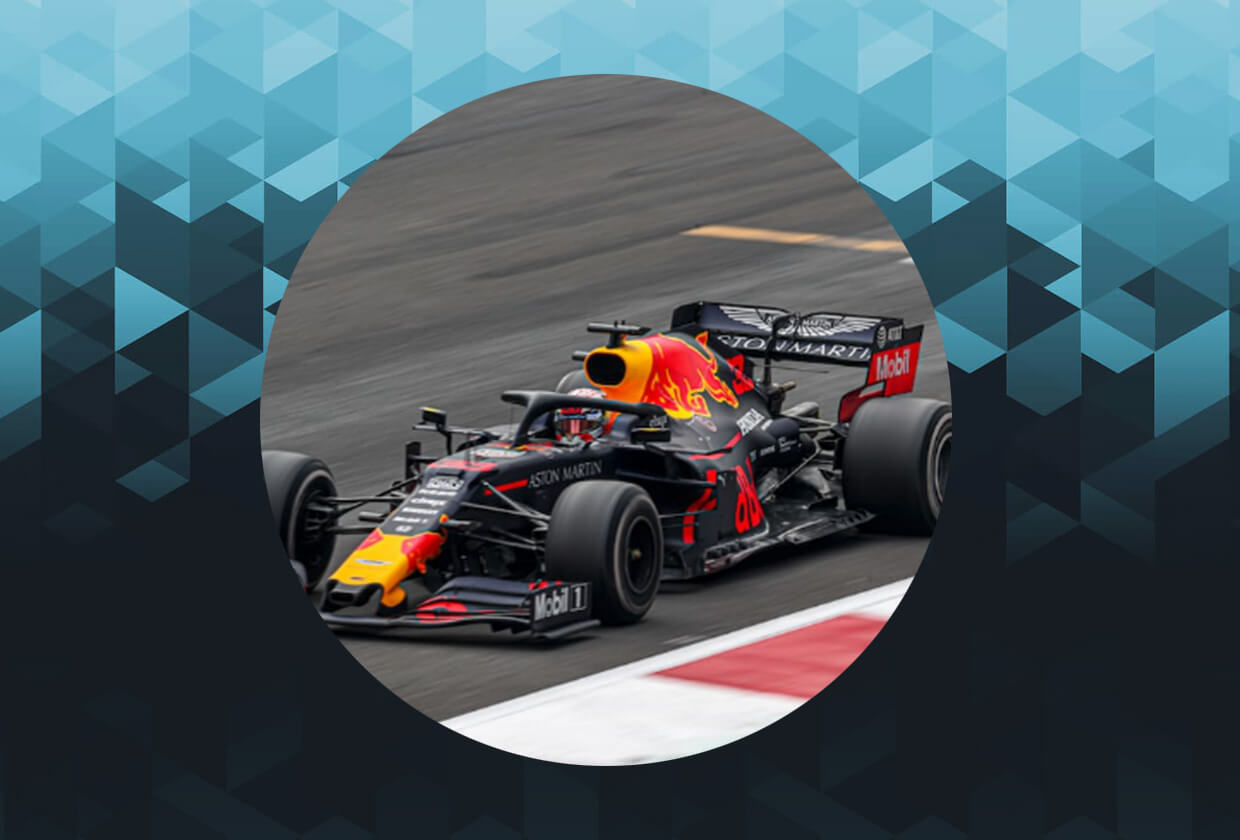
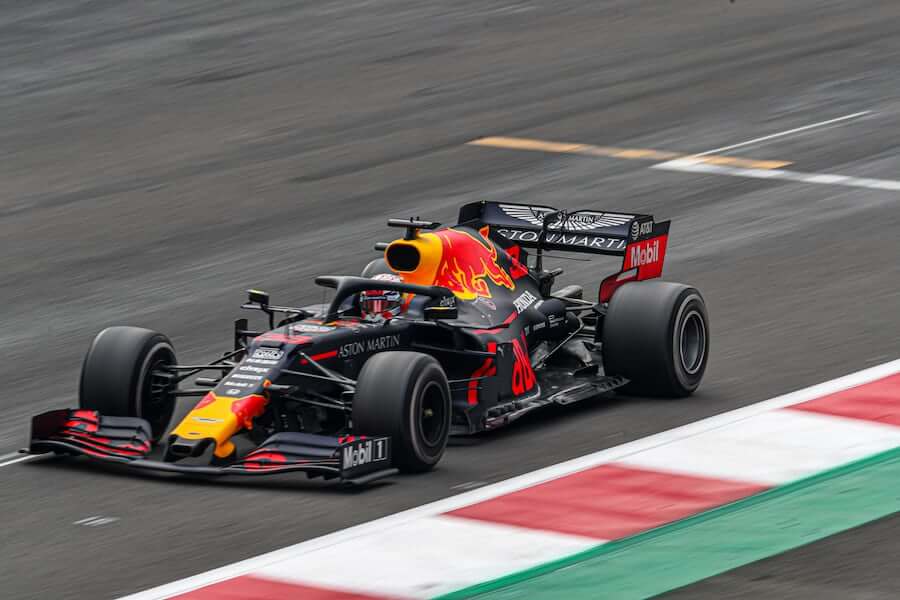
    Now, Formula One fans will be getting some of the action as Red Bull has announced a new partnership with both Bybit, a top crypto exchange, and the Azuki NFT project to close out this latest F1 season. This partnership announced on November 17, 2022, has produced the  Lei the Lightning Azuki NFT. This is not only an exciting but a historical development as this marks the first time that a blue-chip NFT will appear on an F1 racecar.

    Details About the Partnership 

    The new asset to be created as a result of this partnership is called Lei, which exists as a racing character in the Azuki universe and is Azuki #8494. Based on the Tezos blockchain, this NFT will be available to buy on Bybit. Not only does the character have some interesting lore behind it in the digital world but it will also make an appearance in the material world.

    “Lei the Lightning Azuki (#8494) is a bold and tenacious racer in the Azuki universe. With unparalleled drive and focus, Lei the Lightning Azuki was born to race — nothing can stand in the way of his dreams,” the announcement from Bybit says. 

    Red Bull NFTs Coming to Abu Dhabi

    The NFT will be featured on the racing car that will be driven by Max Verstappen and Sergio Pérez at the Abu Dhabi Grand Prix. What’s more, this NFT character will be available for customers to claim from  Nov 17, 2022, to Nov 27, 2022. Ahead of this, Bybit has offered a guide on how the NFTs can be claimed. 

    First, customers have to be one of the first 7,700 users to pre-register for the NFT between Nov 17, 2022, at 9 AM UTC and Nov 19, 2022, at 8 PM UTC. From Nov 20, 2022, 9 AM UTC, the NFT will be available to claim. And considering the fact that it is a limited edition version of the original Lei Azuki NFT, it will be a hot commodity on the market. 

    For those who can’t get their hands on one of the NFTs, they can always look out for an Azuki appearance at the Abu Dhabi Grand Prix. 

    F1 And NFTs

    This history-making announcement shows that NFTs are making their way into the F1 space and according to those behind it, represents a new way to engage with fans and explore web3 as a whole.

    “In many ways, it’s been an eye opener for us to the vast opportunities Web3 has to offer. This unique project is the perfect combination of creativity, innovation, and passion which matches our ethos on the track,” said  Christian Horner,  Red Bulls Racing’s team principal.

    And with Formula One filing a number of NFT trademarks in the last few months, the best is truly yet to come.

  • Celebrities See NFTs’ Value Decline Amidst Crypto Winter

    Celebrities See NFTs’ Value Decline Amidst Crypto Winter

    As many of us already know, we are in the middle of a crypto winter which has seen the value of many major cryptos decline over the last few months. But this winter has affected not just cryptocurrency but other blockchain-related sectors such as DeFi and NFTs. 

    Case in point, many celebrities who purchased NFTs in 2021 and 2022 have seen the value of their assets drop significantly. A notable example of this is the singer Justin Bieber who bought a Bored Ape NFT for $1.3 million in January 2022. The same Bored Ape would be worth a fraction of the cost today as the floor price for NFTs from that collection is just under $70,000. This represents a significant drop from its peak floor price of over $429,000 back in April this year.

    Trouble in NFT Paradise? 

    Up until the crypto winter hit, the NFT industry had seen a large influx of celebrities buying into top collections. This included Justin Bieber, Madonna, Post Malone, and the famously NFT-loving Snoop Dogg. Their pricey purchases of blue-chip NFTs helped to further solidify them as status symbols and raise their profiles among fans. 

    And their involvement in the NFT sector went beyond just buying NFTs. Madonna famously released her own NFT collection as did supermodel Bella Hadid. Pharell Williams founded a web3 company and Snoop Dogg is developing an NFT-focused restaurant. Needless to say, the celebrity machine heavily embraced NFTs. 

    Celebrities See NFTs' Value Decline Amidst Crypto Winter

    But since the crypto winter hit, many collections have been feeling the crunch, including the blue-chip ones bought by top stars. This decline in NFT prices also coincides with the FTX collapse. FTX, a now-defunct crypto exchange, had been heavily touted by stars such as Tom Brady and Giselle Bundchen and since it filed for bankruptcy with billions of dollars left in limbo, a dark shadow has been cast on celebrity-endorsed blockchain products. 

    But while the prices of speculative NFTs have declined, the industry does seem to be going towards more ‘practical’ applications of the technology. Several high-profile organisations like FIFA have launched NFTs that come with perks for their holders and these days, there is more emphasis on NFTs unlocking real-world benefits. As a result, institutional use of NFTs has not slowed down despite the crypto winter. 

    Besides a shift in industry priorities, there is also the fact that many are still optimistic about blockchain as a whole. After all, the industry has endured multiple winters in the past and still recovered. As far as many hardcore NFT lovers are concerned, this is only a temporary setback. 

    What Happens Now?

    Despite the slump, most celebrities do not seem to be in a rush to offload their assets or discontinue their NFT projects. And while a Bored Ape losing a chunk of its value might be a talking point for NFT critics, those within the industry, both the international pop stars and everyday people alike, don’t seem to be jumping ship but waiting the winter out.

  • Pepsi Launches NFT Collection

    Pepsi Launches NFT Collection

    Pepsi is perhaps one of the most recognisable brands in the world, with millions of people enjoying its namesake products and others under the company umbrella. When a brand has achieved this level of popularity around the world, it only makes sense that it would invest in innovative projects. 

    Now, Pepsi India has announced a new NFT collection which marks its first foray into the web3 space. This collection is called the ‘Pepsi Black Zero Sugar’ collection and was designed in collaboration with illustrator Timea Balo. Along with the NFT collection, Pepsi India will be hosting a competition for those who want to win one of these digital assets. 

    Pepsi Embraces NFTs

    This new NFT collection features 20 assets, all of which were minted on the Polygon blockchain. The theme of this collection appears to be self-expression and all the visuals revolve around the ‘zero’ image that is associated with Pepsi Black. 

    Several different designs have already been made public by Pepsi and each features a circular logo of sorts that uses the classic Pepsi colours of black, red, white, and blue. These designs also seem to have individual themes such as fashion, dance, environment, music, social, creativity, and games. 

    Pepsi Launches NFT Collection

    The entire collection will not only be listed on OpenSea but Pepsi lovers will be able to win some for themselves by participating in the  #PepsiBlackeffect challenge which is being hosted on the social media platform Moj. Within the app, a lens has been created specifically for the challenge and fans can enter by showing off their personalities with it. 

    NFTs and the Youth

    So far, this campaign has also been touted as a way for the company to better connect with the youth who are the most NFT-leaning demographic. From the visuals and ethos of the campaign to the fact that it is NFT-based, Pepsi’s management has made the mission clear. 

    “Our endeavour is to transform our product as well as our narratives to align with the evolving youth. Our foray into the world of non-fungible tokens (NFTs) for the Indian consumers is a testimony of the same belief. The ‘Pepsi Black Zero Sugar’ NFT collection will personify and bring alive the world of Pepsi Black by leveraging passion points which resonate the most with the youngsters today,” said Saumya Rathor, Category Lead, Pepsi Cola, PepsiCo India. 

    Additionally, Tanu Sinha, the Design Director for PepsiCo India, said that the brand has always been at the forefront of disruptive technology and movements and that as the world evolves, the brand plans to evolve with it and connect with the younger generation. 
    Stats already show that younger people are the biggest buyers of NFTs and as such, it makes sense that consumer brands like Pepsi want to meet them where they are with NFT-centered projects. Pepsi is not the first to do so (Starbucks and Taco Bell, for example, have already done so) and if NFTs continue on their current trajectory, it will not be the last either.

  • Coachella NFTs Trapped on FTX

    Coachella NFTs Trapped on FTX

    Earlier this year, fans of the popular Coachella music festival were thrilled when NFTs were announced ahead of the 2022 edition. These NFTs granted holder access to special perks from the festival and also acted as a digital memorabilia of sorts for attendees and became a hot commodity. 

    Sadly, these NFTs appear to have become collateral damage in the ongoing FTX saga. The exchange, now defunct, had teamed up with the organizers of Coachella to create and sell the assets and now that the exchange has gone bust, the NFTs are trapped on the platform. 

    NFTs Stuck in Limbo 

    This NFT collection, called Coachella Keys, had brought in $1.5 million in sales but as the management of Coachella says, both them and buyers have been blindsided by the FTX situation. This was done via a message on the Coachella Discord page as well as through an official statement sent to Billboard. 

    Coachella NFTs Trapped on FTX

    “Like many of you, we have been watching this news unfold online over the past few days and are shocked by the outcome. We do not currently have any lines of communication with the FTX team. We have assembled an internal team to come up with solutions based on the tools we have access to. Our priority is getting Coachella NFTs off of FTX, which appears to be disabled at the moment,” said the message on the Discord channel. 

    Additionally, Coachella innovation lead Sam Schoonover said in a statement that the company is working to find a solution that will protect both it and its customers. The current situation is very dicey in that FTX, in the wake of a liquidity crisis and wallet hack that has bankrupted it, stopped users from making any withdrawals. 

    Will They Ever Be Recovered?

    Most of the attention regarding this lack of withdrawals centres around the crypto assets but NFTs were affected as well. As per Billboard, one Coachella NFT holder was able to withdraw their keys shortly before the exchange went under. Many others did not had the same luck as NFTs from Coachella and Tomorrowland remain stuck on the exchange. The situation is even direr considering the fact that historically, when a digital asset exchange shutters like this, the assets lost on it are rarely ever recovered. 

    This issue, realistically, could be in limbo for years to come and Coachella would have to find some way to help the holders (perhaps attach the perks to a new set of NFTs?) and partner with another firm if the organizers plan to launch NFTs in 2023 as well. 

    For now, the only advisory that the Coachella team has put out is one advising users not to sign up with FTX or deposit any assets on the exchange. This is similar to the warning that FTX itself put out to users in wake of the collapse. 

    Sadly, the effects of the FTX collapse are not limited just to the crypto sector but to many other digital assets as well.