Category: News

  • Royalty-Enforcing NFTs to Become a New Asset Class, Says Magic Eden CEO

    Royalty-Enforcing NFTs to Become a New Asset Class, Says Magic Eden CEO

    As many of us know at this point, royalties are one of the biggest and most controversial issues within the NFT sector today. Typically, NFT assets come with the condition that the original creator gets a cut of secondary sales (royalties). However, we’ve seen a recent reversal of this as several marketplaces such as Magic Eden and OpenSea as well as projects like DeGods have either scrapped the royalties requirement entirely or made it optional. 

    Now,  Jack Lu, the founder and CEO of Magic Eden, has said in a new interview with Decrypt that royalty-enforcing NFTs could become a whole new asset class. 

    Changes in the NFT Sector

    In the interview, Lu touched on the very controversial issues of royalties, especially in light of his own company changing its royalties policy. Magic Eden had famously said that it would stick by its royalties policy before changing its mind amidst other marketplaces changing theirs. 

    Now, he has said that NFTs which enforce the royalties requirement could become an asset class of their own. We can already see this emerging as OpenSea, a top NFT marketplace, has released a new tool for creators who want to enforce royalties for their NFTs. In its announcement of this, it said that it wanted to give creators the choice of whether or not to attach royalties to their work, a move that sparked some backlash within the community.
    Royalty-Enforcing NFTs to Become a New Asset Class, Says Magic Eden CEO

    “There is a real opportunity to give rise to a new asset class. Some folks really want sovereign ownership, [while] some folks really want royalty enforcement or new business models,” Lu said, adding that he came to this conclusion after speaking with many within the space. 

    He did concede that these sorts of NFTs would require some sacrifice on the part of buyers, more specifically a loss of control. This would also require some sort of name change. Given the speed at which many major marketplaces and projects are dropping their royalties requirements, that sort of policy being the default within the industry might soon be gone.

    As such, if royalty-enforcing NFTs are no longer the norm, it only makes sense that they have a different name to avoid confusion, though what that name will be is yet to be decided. 

    “Maybe it will be more useful that there’s NFTs as an umbrella term and then the current wave of optional-royalty NFTs would be one form, and these royalty-enforcing collectibles would be another,” Lu said. 

    What Royalty-Enforcing NFTs Will Mean

    It does not seem like the current trajectory of scrapping NFT royalties requirements or making them optional will be halted anytime soon. Lu could very well be right and NFTs could be divided into those that enforce royalties and those that don’t. 

    But how would the royalties be enforced in the first place? Lu hinted in the interview that blockchain communities themselves would have to come together to develop solutions to this problem. And the ones that do, he says, will be thriving.


  • TinyTap’s Educational NFTs Sell Out

    TinyTap’s Educational NFTs Sell Out

    Last month, Animoca Bands subsidiary TinyTap announced the launch of its Publisher NFTs, which would allow educators to monetize their content via digital assets. At the time, TinyTap management said that the goal of the NFTs was to empower educators and grant easier access to materials for students. 

    “The auction of the Publisher NFTs is the first step in leveraging Web3 technologies to establish an alternative decentralized education system that fairly supports and incentivizes teachers,” said Animoca Brands in the official statement.

    The NFTs went on to debut on OpenSea on November 2, 2022, and have since sold out. 

    TinyTap Sees an Early Victory 

    As per reports, TinyTap’s NFTs brought in 138.926 ETH, which is roughly $228,000, in sales. Of this amount, the teachers who created the courses collectively received  67.7 ETH, or roughly $110,000. These NFTs essentially, represent co-publishing rights to the courses in question and the teachers behind them receive 50% of the profits and an ongoing 10% of what the NFT owner makes. 

    TinyTap's Educational NFTs Sell Out

    This is all part of TinyTap’s efforts to make sure that teachers are well-compensated for their efforts and leveraging blockchain-based assets is a creative way to do so. Royalties are already a part of the NFT process and as such, making sure that educators get what they are due is easy. It is also worth noting that the traditional educational publishing world has struggled with compensating educators for years and even traditional firms like Pearson are looking into NFTs. 

    What TinyTap has done can be seen as a test run of sorts and the educators involved have said that they are happy with the results. 

    Gabi Klaf, one of the creators who sold her Learn English with Gabi course for $37,600 in ETH, said, “I’ve been teaching ESL passionately for over 30 years. I thought that discovering TinyTap’s interactive game platform was my biggest teaching breakthrough; but now, I see that the Publisher NFT is my real breakthrough.” 

    What This Means 

    Given how well-received this first launch was, we can safely expect more to come from TinyTap, which was acquired by Animoca Brands for $39 million. Both the management at TinyTap and its parent company have reiterated the goal of this initiative, which is to reward teachers and support students. 

    “This initiative has shown that it is possible to better reward educators for the critically important work that they do. Instead of waiting for salaries to rise and for education to become more relevant, we’re using Web3 to build an incentive system to allow communities and educators to come together to create quality learning content while earning revenue together,” said Yogev Shelly, the CEO of TinyTap. 

    Also, the success of this drop signals to other publishing brands that there is money to be made through NFTs. Do not be surprised when many other educational publishers begin releasing similar NFT drops. And with this, the goal of rewarding educators for their work and making educational content more accessible can be achieved.

  • Wuhan Omits NFTs

    Wuhan Omits NFTs

    By now, most of us are aware of the attitude of the Chinese government towards NFTs, which has been very strict over the years. In the past, we’ve seen NFT-related accounts on WeChat being shut down and current regulations essentially ban speculative NFTs. Needless to say, NFTs are not as welcome in China as in other parts of the world. 

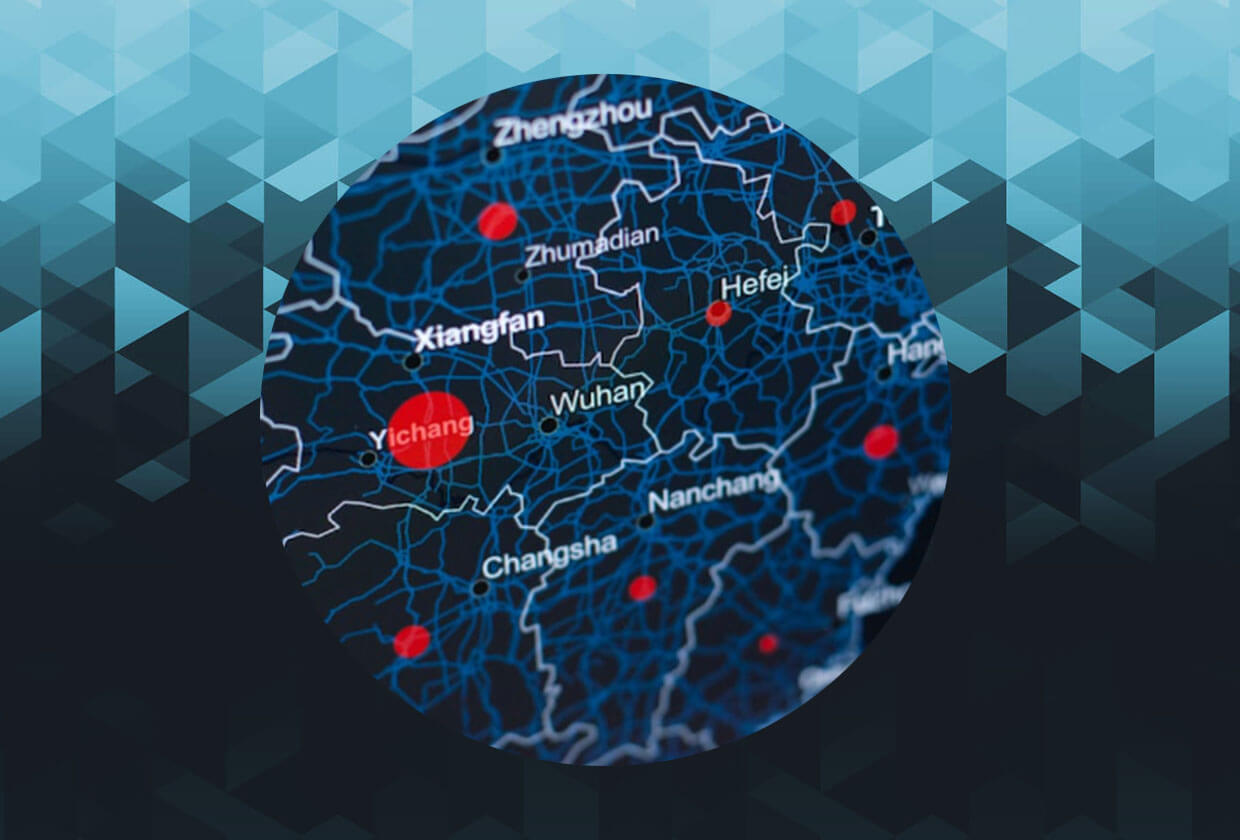
    Wuhan, a prominent city in China, currently has plans to launch two massive metaverse real estate projects ahead of 2025 and just released the final draft of industrial plans. Notably absent from these plans are NFTs, which management has said is due to regulatory issues.

    NFTs MIA

    To anyone who is involved in web3, it seems ridiculous that any Metaverse would be created with NFTs excluded. This is because they are tied so closely together and NFTs typically play a big role in Metaverses such as being collectable items, avatars, and so on. But this new Wuhan Metaverse project will not include NFTs because of the uncertainty regarding them. 

    The Chinese government is not too friendly towards NFTs, especially speculative ones, and it seems that the developers would rather err on the side of caution that have NFTs be a part of the project and fall on the wrong side of the law later. 

    Regardless, the Wuhan government will move forward with its plans of sponsoring up to 200 Metaverse firms and 2 Metaverse estates by the 2025 mark. This is part of a growing trend in China of cities investing in the metaverse. Shanghai and Beijing already have Metaverse projects and more are expected to join them over time. 

    Wuhan Omits NFTs

    With China’s stance on NFTs in mind, it is interesting to see how differently other Asian countries have embraced them. In South Korea, for example, government officials were given NFTs as part of an award for good service, which was a federally-backed scheme. Even the idea of Metaverse projects tied to real-life cities has taken off in South Korea, though NFTs seem to be a part of them. A recent one, for example, issued citizenship to the virtual city by way of NFTs. 

    Wuhan Moving Forward

    With that context, it is even stranger that a similar web3 project in China is forced to explore what is a core tenet of the Metaverse due to the government. And for Wuhan, this project is far from a vanity one; the city saw reduced economic activity during and after the COVID-19 pandemic and this was partially because of its association with the virus given that it was the site of the first outbreak. 

    This project is a chance to foster more economic growth in the city and lead it on the road to recovery. The exact launch dates for these Metaverses are not yet known, though they will be arriving before 2025. Once it does arrive, it will be interesting to see how it stacks up against other Metaverse projects from other cities and the extent to which the lack of NFTs affects it.

  • Beeple Embraces Solana

    Beeple Embraces Solana

    In the NFT space, artist Mike Winklemann, popularly known as Beeple, is a big deal. His piece, EVERYDAYS: THE FIRST 5,000 DAYS  is the highest-selling artwork NFT of all time and he has been a pioneer in digital asset creation. Just recently, Beeple announced that he would be creating a physical NFT gallery and also teased new projects to come.

    Well, we seem to now have an idea of what his future plans entail as it was announced at Solana’s Breakpoint conference in Lisbon, Portugal that the artist will be taking his talents to the Solana blockchain. This comes after Beeple had been almost exclusively creating on the Ethereum blockchain for years. 

    Beeple Comes to Solana 

    The announcement was made by Stephen Hess, the CEO of Metaplex Studios, and some details about the project were given as well. 

    “In partnership with the Render Network, we’re excited to welcome Beeple to Metaplex and Solana debuting the future of streaming and immersive 3D NFTs,” Hess said, referring to the Render Network that Beeple has served as an advisor for in the past. 

    Images from Hess’ presentation show that the incoming project will allow users to create their own NFTs with Beeple as well as using a randomized set of objects and time to create with. This harkens back to Beeple’s iconic piece which consisted of hundreds of images. 

    Beeple Embraces Solana

    More details about the project are to be revealed in the coming weeks but so far, it is safe to assume that it will put users in the NFT creation drivers’ seat. When he announced his physical NFT gallery in October, Beeple noted that he wanted people to have a more intimate experience with NFTs. Perhaps one way that he is also pursuing this is by creating NFTs with fans. 

    This could also be seen as Beeple wanting to redirect attention away from the very speculative nature of the NFT industry at present and return to its artistic roots. In an earlier interview, Beeple said that he wants more focus to be on the sentimental value and utility of NFTs as opposed to a wild cash grab. This is a sentiment that has been shared by many within the industry and it seems that some of the big names are taking action towards this.

    Moving Forward

    During the conference, other announcements were made such as the launch of the Metaplex creators’ studio and the launch of its on-chain royalty enforcement tool, of which the Y00ts NFT collection would be the first to deploy. With all these, it seems some very exciting developments are taking place in the Metaplex ecosystem. 

    These also show some indication of the current trajectory of the industry in that more people want to focus on the artistic value and utility of NFTs, want to give more power to creators, and there will be significant changes to how royalties are handled. The last point is particularly interesting given the fact that on the same day, OpenSea also announced its on-chain royalty enforcement tool to mixed responses.

  • OpenSea Updates Royalty Strategy

    OpenSea Updates Royalty Strategy

    If you’ve kept up-to-date with happenings in the NFT world, you’re likely aware of the ongoing drama with royalties. Typically, creators of NFTs get a cut of the secondary sales of their work but lately, this seems to be changing. Major projects and platforms like DeGods and Magic Eden have revised their NFT policies and this has caused major division among fans.

    Well, the changes just keep coming as OpenSea, the biggest NFT marketplace in the industry, has announced an update to its royalties policy, that, once again, has left NFT lovers divided. This was announced via a November 6, 2022 Twitter thread.

    Big Changes at OpenSea

    In the thread, OpenSea acknowledged that royalties are a hot-button issue and that its route of choice is putting the decision to enforce royalties or not in the hands of creators. 

    “It’s clear that many creators want the ability to enforce fees on-chain & we believe that choice should be theirs–not a marketplace’s–to make. So we’re building tools we hope will balance the scales by putting more power in creators’ hands to control their business model,” the thread said.

    It went on to state that OpenSea has launched a new tool for the on-chain enforcement of creator fees that would apply to new collections from November 8, 2022. This means, essentially, that only collections that use this sort of on-chain enforcement tool will see their royalties enforced by OpenSea.

    OpenSea Updates Royalty Strategy

    OpenSea also explained that while this is its first on-chain enforcement tool, it will not be its last and that there is more to come. During that time, it will be gauging community feedback and this will inform future changes. As for existing collections, OpenSea has said that no changes will be made until at least December 8, 2022, after the current tool would have been in use for about a month. The feedback that is received during the one-month period and beyond will then determine OpenSea’s royalties-related future moving forward.

    “In transparency, the consideration set for what happens after Dec 8 is wide open – w/ options ranging from continuing to enforce off-chain fees for some subsets of collections to allowing optional creator fees to collaborating on other on-chain enforcement options for creators,” the thread concluded, encouraging users to tune into a Twitter space that would be commencing shortly after the thread was posted. 

    Reactions to the News

    Soon after it went live, the thread caused some back and forth among NFT fans and OpenSea lovers. Most consistently, many believe that the marketplace is being unclear or duplicitous about its intentions with regard to royalties. Many cited Magic Eden which initially said that it would continue to enforce royalties but eventually backtracked on its decision. 

    Others expressed concern that this move will disproportionately affect emerging NFT artists who need the royalties more than most. Overall, there was a sentiment that royalties are an important part of NFTs and a source of income for creators and that removing them in any way harms them ultimately.

  • Y00ts Finally Launches With Solana Seeing Volume Spike

    Y00ts Finally Launches With Solana Seeing Volume Spike

    One of the most anticipated projects in the NFT space this year is the Y00ts NFT collection, which is the follow-up to the popular DeGods NFT collection. The project had been announced earlier this year and by September, its  y00ts mint t00bs NFTs were released. Besides the hype the project already received, the allowlist for the minting phase was packed with influencers and celebrities, which only increased its public profile. 

    The project then hit a speedbump as its creator DeLabs decided to rework all the artwork, which led to a roughly two-month delay. Now, after much anticipation, Y00ts has finally been released and to an overwhelming response. 

    The Response to Y00ts

    Following the release of Y00ts on November 4, 2022, minting and resale figures went through the roof. The secondary sales of the NFTs rose by around 496% in the first 24 hours, with the trading volume on the Solana blockchain itself going up by 170% during the same period with about  229,000 SOL traded. 

    This should come as a relief to Solana users as, after the enthusiastic response to the  y00ts mint t00bs NFTs back in September, trading volumes on the Solana blockchain fell significantly in October 2022. According to DappRadar, trading volume fell by 50% from $134 million in September to $67 million during that time. Besides the delay of Y00ts and a general market downturn, this was also partially credited to the ongoing royalty situation in the NFT industry.

    Typically, creators of NFTs get a portion of the proceeds from resales, which has always been a major driving factor. But recently, a number of marketplaces have begun to revise or scrap royalties altogether. Notably, Magic Eden caved into the pressure and this is believed to have had an impact on the Solana ecosystem. Luckily, the Y00ts collection has arrived and seems to have breathed new life into it.

    Y00ts Finally Launches With Solana Seeing Volume Spike

    The collection, which features 15,000 images of different characteristics, has also been highly-priced, with even the cheapest pieces going for a few thousand dollars. It should be noted, however, that DeLabs will also be going royalty-free for all of its collections, including DeGods and y00ts mint t00bs NFTs, mostly due to not being able to enforce them. While a 3.33% royalty policy still exists for this new collection, DeLabs will not attempt to enforce it or punish those who do not pay it. 

    Solana in Recovery?

    It is fascinating to see just how closely the fortunes of popular blockchains have been tied to NFT projects. Solana has been in existence for a long time but a part of its October 2022 slump is credited to the delay in Y00ts’ launch and its November resurgence is credited to the project finally being released. 

    It is worth noting that even as several blockchains are being used more for NFTs, the performance of these digital assets is no longer isolated events in the industry but far-reaching thanks to NFTs’ growing influence. Now that Y00ts is out, Solana fans can only hope that this upward trajectory continues.

  • Cadillac Sells Charity NFTs

    Cadillac Sells Charity NFTs

    The boom in NFT demand has meant that they are not only profitable for corporations but can also be used for worthwhile causes. This has been especially apparent this year as both government-backed and private initiatives have sprung up that auction NFTs to support

     Ukraine. Even within the private sector, NFTs have been raised for good causes such as HUGO BOSS’ Mental Health Day project.

    The latest of these comes from automaker Caddilac, which has launched a new NFT project to benefit its Black Future campaign. This project commissioned two NFTs from artist Nyla Hayes and the funds raised from the sales will be given to the Save The Music Foundation. 

    Art NFTs for a Good Cause 

    The two NFTs designed for this project are the Adira, the Silver 120 Anniversary Edition and the Adira, the Gold Edition Long Neckie. The former exists in multiple versions but the latter is a one-of-one and both are done in Hayes’ signature ‘long neck’ style.

    When both NFTs went to auction, they were well-received, with the Gold Edition being sold for 1.888 ETH and the Silver Edition being sold for 0.2 ETH to 75 buyers. Besides all these funds that will be donated, Cadillac will also give $55,000 to the Save The Music Foundation. 

    The foundation, in turn, intends to use these funds for its J. Dilla Music Tech grant program which teaches students skills like music production, audio engineering, and so on. This program was founded in Detroit, Michigan in 2019 with the support of Cadillac and will be expanded following this sale.

    Cadillac Sells Charity NFTs

    The decision to use NFTs as the fundraising method of choice was a bold move on the part of Cadilac, and something that was acknowledged by management. 

    “As one of the first nonprofits to experiment with this innovative fundraising tactic, this collaboration marked a turning point of the organization’s approach to not only fundraising but music education at large. This is just an early preview of an array of new and innovative projects to come,” said Danielle Zalaznick, Save The Music Foundation’s Chief Development Officer.

    The campaign that this is meant to benefit, the Black Future Campaign, is also notable because it has put both black and NFT artists front and centre. Its use of visual and audio imagery has not only made it popular but also earned it an Online Media Marketing & Advertising (OMMA) award for Best Content Marketing. 

    Artwork NFTs

    Obviously, this project is very notable because of the good cause that it is supporting. At the same time, it also shows the growing popularity of NFT artwork and the new mediums that it provides for creators. Nyla Hayes has been known for her ‘long neck’ style of art and now, this is being transferred to the blockchain. 

    While art auctions for charities are not a new concept, they offer artists new ways to showcase their works with ease around the world, as well as new potential commercial ventures as brands become more NFT-centric.

  • Monkey Drainer Steals Another 520 ETH Worth of NFTs

    Monkey Drainer Steals Another 520 ETH Worth of NFTs

    One of the most interesting yet frustrating aspects of the NFT sector is the thieves and hackers who operate in the space. Through phishing schemes, wallet hacks, and other methods, these thieves have made the lives of some NFT holders very difficult but sadly, seem to be a somewhat inescapable part of the industry. 

    One of the better-known ones is a thief by the name of ‘Monkey Drainer’, who came into the public consciousness after a Twitter expose by on-chain sleuth ZachXBT. In an initial Twitter thread, ZachXBT revealed how Monkey Drainer had stolen millions in NFTs. Sadly, that was not to be the last of the NFT thief as a new Twitter thread reveals that they have stolen a further $800,000 worth of NFTs. 

    Monkey Drainer Strikes Again 

    In the Twitter thread published on November 4, 2022, ZachXBT noted that Monkey Drainer had stolen several CryptoPunks and Otherside NFTs with a combined worth of about 530 ETH or roughly $800,000.

    “Monkey Drainer just stole another 7 Crypto Punks and 20 Otherside NFTs worth $800k (520 ETH)

    0xc2C05F11f6e4Dfba016982811Ab12c361E63f466,” the thread stated. 

     After these assets were stolen, they were moved between several blockchain wallets and after they were sold, 400 ETH of the profits were moved through Tornado Cash. 

    Tornado Cash, as some might know, is a crypto-mixing tool that has been repeatedly used by scammers in the past. What it does, essentially, is to mix tokens so that they are harder to track. This has made it a favourite of scammers to avoid their ill-gotten gains being traced back to them. The US has actually placed sanctions on Tornado Cash, and citizens aren’t allowed to use it anymore. 

    Monkey Drainer Steals Another 520 ETH Worth of NFTs

    This latest theft is on top of the $3.5 million that was previously stolen by Monkey Drainer and now brings their estimated earnings to about $4.3 million. In a statement to Decrypt, ZachXBT stated that they believe that Monkey Drainer began their activities in August 2022 and that they will have to keep updating their methods to continue this streak of success.

    “I imagine in the long run they’ll need to continuously update Monkey Drainer to stay competitive otherwise new methods will gain market share,” they said. 

    In the meantime, NFT holders can only stay digital to avoid falling victim to Monkey Trainer and should they strike again, ZachXBT will be there to report on it as usual. 

    The Landscape of NFT Theft

    The lucrative nature of the NFT industry means that there are always people looking to exploit and steal from asset holders. Unfortunately, some, like Monkey Drainer, have been very successful at it and show no signs of stopping. 
    All those within the industry can do is take steps to avoid being stolen from, as well as support the efforts of law enforcement when it comes to investigation and prosecution (ZachXBT’s work, for example, has been cited as helping the French police prosecute an NFT theft gang).

  • British Parliament Opens NFT Inquiry 

    British Parliament Opens NFT Inquiry 

    Anyone who is involved in the NFT sector will tell you that the industry has grown exponentially in the last few years, going from a niche concept that only hardcore blockchainheads knew about to be on the global stage. This has included the billions of dollars spent in the industry and its increased public profile.

    Well, it seems that the British Parliament has taken notice of this and wants to investigate more. As was announced on November 4, 2022, the UK Digital, Culture, Media and Sports committee (DCMS) will be opening an inquiry into the inner workings, risks, and benefits of NFTs and blockchain technology. 

    NFTs Under Scrutiny 

    As per the statement from the committee, this inquiry was sparked as a result of the $17 billion sales boom that the sector has seen. The statement also acknowledges that NFTs have democratized the process of creating and selling assets. But despite this, there are still concerns among regulators about investors possibly being exploited. 

    “This growth has also sparked fears that NFT speculation may be a bubble, and that overvalued assets may be dumped on “greater fool” investors. Fears have been compounded by drops in NFT prices and sales,” the statement said. 

    It especially noted the incident of Twitter founder Jack Dorsey’s first-ever tweet being minted as an NFT and sold for millions but failing to secure even $1,000 in the resale market as well as the drop in trading volume on some NFT marketplaces and collections. 

    British Parliament Opens NFT Inquiry

    But the ultimate goal of this inquiry is to determine regulations for NFTs, considering how under-regulated they are. It has been suggested that if better regulation is put in place, more benefits can be secured for the UK, as well as better protection for investors across the board. 

    “Now that the market is veering wildly, and there are fears that the bubble may burst, we need to understand the risks, benefits, and regulatory requirements of this groundbreaking technology[..] Our inquiry will investigate whether greater regulation is needed to protect these consumers and wider markets from volatile investments[..] This inquiry will also help Parliament understand the opportunities presented by an exciting new technology which could democratise how assets are bought and sold,” said the Chair of the DCMS Committee, Julian Knight MP. 

    More updates are expected as the inquiry from the committee progresses. 

    What this Means for NFTs

    The announcement of this inquiry means a few things; first, the industry has become big enough to be on the radar which is a testament to how much it has grown. It also highlights the fact that the less savoury parts of the industry have also gotten attention such as transaction volume decline and the much-hyped projects that do not live up to expectations. 

    What will likely come out of this is better regulation that will especially protect investors. The industry has been largely unregulated for a long time but as it enters a new period of maturity, better frameworks will be put in place.

  • Kraken Launches NFT Marketplace

    Kraken Launches NFT Marketplace

    Who said the NFT market was completely saturated? If there is one thing that NFT lovers get a lot of, it’s marketplaces to choose from. From the giants like OpenSea to smaller and less-known platforms, they are spoiled for choice. 

    And it seems that they have yet another one as Kraken, one of the top-10 crypto exchanges in the world, has launched its own NFT marketplace. This marketplace is looking to take on the existing heavyweights of the sector and entice NFT traders with a range of unique features. With this, Kraken follows in the footsteps of other top exchanges like Binance that have launched NFT marketplaces. 

    Kraken Dips into NFTs

    This new marketplace launch from Kraken certainly hit the ground running. The platform already hosts Ethereum and Solana-based NFT and is already serving users who signed up for its waitlist earlier this year. The marketplace is also positioning itself as a storage option for NFTs as users can transfer the assets they already own for free to the Kraken NFT storage system.

    Given how much competition this marketplace already faces, Kraken has tried to distinguish itself by being as user-friendly as possible. First, the platform has gasless transactions which will be a big appeal to users. Then, there are the rarity tools offered to buyers which tell them the rarity level of every asset listed, which saves them the trouble of researching this themselves. 

    Kraken Launches NFT Marketplace

    The site will also offer aggregation tools to view NFTs listed across different marketplaces and even purchase them while still within the Kraken ecosystem. There is also, of course, the very touchy issue of royalties. Several collections and marketplaces have revised their royalty policies in the last few months, with some doubling down and others scrapping the royalty system. But Kraken NFT intends to offer royalties to creators for now.

    “As of today, we collect royalties on behalf of creators and distribute them once a collection’s creator has been verified. The exact percentage varies by collection. However, our thinking on this may – and should – evolve as solutions that better serve the NFT community are developed,” a statement said. 

    Kraken Navigating Murky Waters 

    The site will be open to beta users after a period of testing and time will tell how it will be received, especially given the current state of the industry. The blockchain sector has been in winter for months now and some might question whether now is the best time to launch a new exchange. But in a statement to CoinDesk, Kraken said that it is not focused on timing the market but on providing value to its users. 

    “Our focus is to ensure clients experience a premium and secure service; we’re not in the business of timing markets, but in accelerating financial freedom and independence,” it said. 

    As time passes and hopefully so does the crypto winter, trading volumes should pick up and then Kraken NFT and other marketplace will be able to properly battle it out for supremacy in the industry.