Category: News

  • Mall of the Emirates Launches NFT Shop

    Mall of the Emirates Launches NFT Shop

    While we are currently in the era of eCommerce, there is no denying that malls are still an integral part of the consumer experience. From hosting shops from some of the biggest brands in the world to acting as a customer meeting point, malls are still wildly influential.

    Now, the Mall of the Emirates, one of the biggest malls in the world, is home to an NFT shop. You read that right. NFTs can now be viewed and bought at a physical location called ftNFT Shop at the Mall of the Emirates. This store opened officially on December 22, 2022, and is the first physical NFT store of its kind in the Middle East.

    Get Your NFTs

    This new store is the brainchild of tech company SoftConstruct which wanted to create a place for NFT and crypto lovers to come together and shop. The result of this was the ftNFT Shop, which combines a physical and digital experience for them. 

    While at the store, customers can view physical artwork and can also create 3D avatars of themselves after being scanned. Most of us are used to interacting with NFTs through computer systems but with the creation of this store, they can be bought and sold in person. 

    Not only is this a novel idea but one that can also break down barriers among consumers, Some people do not trust NFTs because they do not see them as ‘real’ but if they can be interacted with in the physical world, they might have more confidence in the asset class. 

    Mall of the Emirates Launches NFT Shop

    As such, the company went all out for its grand opening bringing on a host of NFT artists to grace the event. 

    “Among the attendees will be Amrita Sethi, the first NFT artist in the UAE and one that has created an original style of bringing art to life and vice versa through Voice Note Art. We will also see a wide collection of AKNEYE, a number of hand painted and unique eye sculptures, alongside the exclusive art toys by Chiko & Roko, all exhibited within the shop,” SoftConstruct said before the event.

    Even entry to its opening was offered via an NFT which acted as a special pass. During it, there was the opportunity to learn more about NFTs, see the works that have been created by others, and meet fellow NFT enthusiasts. 

    NFTs in the Physical 

    As NFTs continue to grow in popularity, there is a concerted effort to reach consumers with them even outside of the digital world where they reign supreme. With this new store, NFTs can be as accessible to consumers as any other product. 

    They are, essentially, demystified and made more tangible to the average consumer which only helps the industry in the long run. And considering the fact that SoftConstruct has plans to open a second NFT store at the Dubai Mall in the future, even more access can be created. Soon, we can all go to NFT stores as we do clothing and tech ones.

  • Fidelity Files NFT Trademarks

    Fidelity Files NFT Trademarks

    As 2022 comes to an end and 2023 approaches, it is interesting to see what NFT projects might be in store for the year ahead. We’ve already seen some interesting partnerships and the prospect of new laws being rolled out next year. 

    One of the very exciting developments that might be in the works comes from investment giant Fidelity Investments. This comes as it has filed several trademarks with the United States Patent Trademark Office on December 21, 2022. These trademarks seem to allude to future NFT, metaverse, and crypto projects. 

    Fidelity Investments Entering the NFT Space?

    While we have seen many companies file NFT trademarks, these seem to allude to NFT collections being released at some point. With Fidelity Investments, this filing seems to allude to investment offerings in the digital space.

    One of the filings, for example, notes, “Mutual fund investment services in the metaverse and other virtual worlds; retirement fund investment services in the metaverse and other virtual worlds; investment management services in the metaverse and other virtual worlds; financial planning in the metaverse and other virtual worlds.” 

    These would imply that Fidelity Investments could be offering financial services in the metaverse as it does in the material world. Most of us are aware of the many things we can do in the metaverse like attending events and socializing with others. But getting financial advice within it is a whole other matter entirely and one that Fidelity might be looking to explore. 

    The filing also makes note of “…provision of an online marketplace for buyers and sellers of digital media, namely, non-fungible tokens (NFT’s) featuring textual and graphic content” which would imply that NFTs might be coming soon from the investment firm. While this is obviously in its very early stages, the company could deliver benefits through NFTs or offer them to fans for purely sentimental reasons. 

    All sorts of companies have released NFTs for fans and while we haven’t quite seen an investment bank do so, it could be an idea to be explored. Perhaps these NFTs will exist within the proposed metaverse and act as customizable avatars, in-metaverse assets, and so on. The filing also reveals that Fidelity intends to launch payment processing in the metaverse as well as cryptocurrency trading. These could perhaps power an in-metaverse economy that will see customers being able to trade and invest as they do in the real world. 

    NFTs and Investments

    While we will need to wait a while before we see what comes from this trademark filing, it is interesting that a top investment firm is interested in the metaverse and NFTs. But considering the fact that NFTs have become an investment vehicle in themselves and a lot of commerce takes place in the metaverse, it is a natural progression. 

    What will be even more interesting will be how the company chooses to handle metaverse investments should it launch its own web3 projects and the effect that such a powerful company embracing NFTs will have.

  • Taiwanese Temple Launches NFTs

    Taiwanese Temple Launches NFTs

    While NFTs might not immediately conjure up religious imagery, they have been used for religious purposes in the past. Take, for example, a project that saw the entire Quran released as an NFT which was launched earlier this year. 

    It seems that trend has caught on as a temple in Taiwan has released a new set of NFTs. The temple in question is the Dajia Jenn Lann Temple in Taichung city and the NFTs have to do with the Chinese sea goddess Mazu who is revered in the country. This new set of NFTs reportedly offers benefits to holders and is being used to enhance the pilgrimage economy of the city. 

    Religious NFTs

    One thing to note about the city of Taichung is that it relies heavily on pilgrimages. Each year, a 300-kilometre nine-day pilgrimage is held which attracts hundreds of thousands of people and this brings in revenue for the city through the purchase of merchandise, religious items, and so on. 

    This is all part of what is called the ‘Mazu economy’ and it is now being boosted by the release of NFTs. These assets, called the MazuDAO NFTs, were first released in August and so far, about 2,800 of them have been sold. They offer their holders priority access to the pilgrimage and given how popular it is, is an enormous benefit. 

    “According to estimates the nine-day pilgrimage can generate more than NT$5 billion (US$163 million) in spending. On the day when Mazu returned to the home temple, we saw about 500,000 people joining the pilgrimage,” Mingkun Cheng, the vice chairman of the board of the Dajia Jenn Lann Temple, said in a statement. 

    The NFTs were sold on a dedicated platform called MazuBuyBuy, as well as on third-party NFT marketplaces and were reportedly especially popular among the youth. This is not surprising as NFTs are most popular among young people across the globe and this extends to religious NFTs as well. 

    As for older worshipers, a report from the South China Morning Post says that many would rather attend the pilgrimage the traditional way. But the MazuDAO project has not given up on reaching out to them, with Jerry Yan, the project lead of MazuDAO, stating that offline campaigns were designed to target them and even younger worshipers helping with setup. 

    “We had to set up promotional booths in front of the temple to introduce MazuDAO NFTs to those Web0 believers. Often on the phone, we’d ask them to call for their grandchildren to help out and set up crypto wallets on their behalf,” he said. 

    NFTs and Religion 

    It is clear that as much as they can be used commercially, NFTs also have a place within religious practices. They have previously been used to preserve religious texts and now, are helping to modernise a centuries-old pilgrimage practice. As time goes on, we will hopefully see even more applications of NFTs within different religions and for many different purposes. 

  • OpenSea Bans Cuban Artists 

    OpenSea Bans Cuban Artists 

    One of the effects of NFTs being as popular as they are is that they often find themselves in the middle of international affairs. We’ve seen this with NFTs being used as a form of documenting political protests, raising funds for war efforts, and so on. 

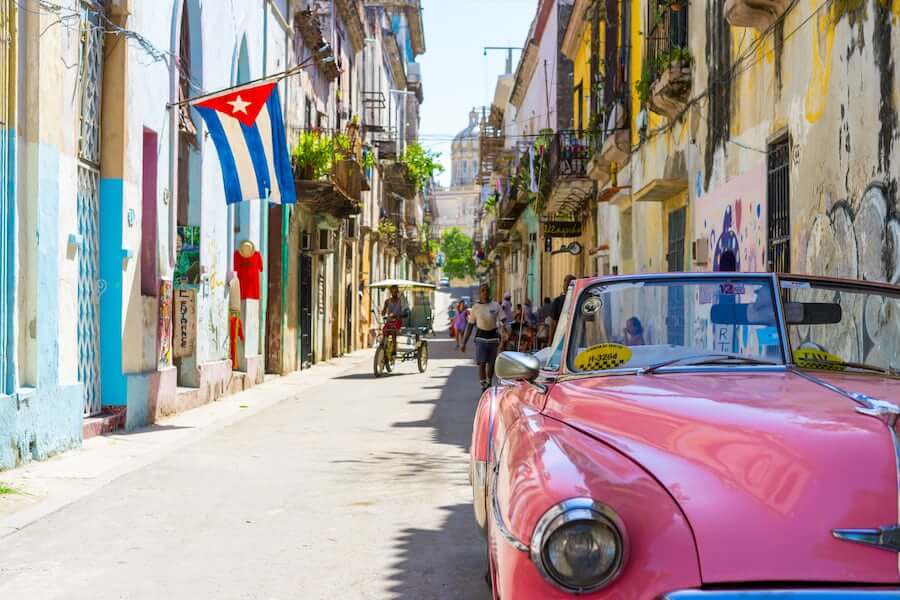
    Now, OpenSea, one of the biggest NFT marketplaces in the industry, has found itself in the middle of US-Cuba relations as it has been forced to ban Cuban artists from its platform in compliance with US sanctions against the country. This was first brought to light by NFTcuba.ART, a Cuban artist association and was then confirmed by the OpenSea management. 

    Why Cubans Are Banned

    This saga began on December 12, 2022, when NFTcuba.ART tweeted a picture of a message from the OpenSea team saying that its profile had been disabled. The reason given was due to a violation of the marketplace’s terms of service. 

    “long time since we posted, unfortunate that this post needs to be this. @opensea has disabled our profile. Not only do Cubans on the island, but those who have other nationalities have to endure censorship in web3 company. Buying art from Cubans is not banned in the us embargo,” a tweet from the organisation said. 

    Naturally, this sparks backlash towards OpenSea for this decision, with some terming it as discriminatory. Given how prominent OpenSea is in the industry, an entire group not being allowed to conduct business on it would be devastating. This is doubly so given the fact that even Cubans with dual nationality were not spared. 

    OpenSea, on its part, has spoken about the incident, essentially implying that its hands are tied when it comes to international law. 

    “Our Terms of Service explicitly prohibit sanctioned individuals, individuals in sanctioned jurisdictions, or services from using OpenSea. We continue to holistically evaluate what other measures need to be taken to serve our community and comply with applicable law,” an OpenSea spokesperson said in a statement to Decrypt.

    While this situation is unfortunate, it is in line with how centralized businesses that operate in the blockchain sector have handled such issues. Binance, for example, has had to comply with sanctions placed on Iran and the same apparently happened with OpenSea earlier this year. 

    Because these are centralized platforms, they are beholden to the laws of the countries in which they operate and if the law does not allow them to serve those from sanctioned countries, they will have to comply. 

    A Dicey Situation 

    In theory, blockchain-based assets should be completely decentralised and everyone should have access to them regardless of where they are in the world. But as long as creators and buyers are accessing them via centralized platforms, they can still be restricted by international laws. 

    But this isn’t to say that Cuban creators cannot buy or sell NFTs in any capacity; after all, decentralized platforms and peer-to-peer transactions are still an option. But until US-Cuba relations improve, access to OpenSea is, sadly, out of the question.

  • Italy’s NFT Market Predicted to Boom

    Italy’s NFT Market Predicted to Boom

    It is truly remarkable to see just how much the NFT space has grown over the last few years. A while ago, many people had never heard of NFTs at all. Now, these same people at least have a vague idea of what NFTs are or at least know that they are popular around the world. 

    In an encouraging sign, the NFT space within Italy is predicted to grow significantly over the next few months. This is according to Research and Market’s Italy NFT Market Intelligence and Future Growth Dynamics Databook for Q2 2022. 

    Mapping NFT Growth in Italy 

    While 2022 saw the industry battle a crypto winter, it also secured a greater market share within Italy, the report explains. More specifically, the industry is predicted to grow by 47.6% on an annual basis to reach $671.4 million in 2022. 

    This is feasible considering just how much NFTs have grown from, say, 2020 to 2022. There has been a massive uptick in the number of NFTs that are being released by independent creators. On top of this, you have brands like Nike and Manchester United entering the NFT space and bringing legions of fans along with them.

    This was a sentiment echoed in the report, which noted the Italian fashion designers who had gotten into the NFT space like Dolce and Gabbana. 

    “With the increasing hype of NFTs, fashion brands are building partnerships with NFT platforms to launch digital fashion NFTs, including clothing, shoes, jewelry, accessories, and many more. These unique collectives are bought by fans, collectors, and enthusiasts, for which these brands are witnessing growth in their business,” the report says. 

    While the presence of these brands has already led to growth in 2022, the report predicts that this will continue, with the NFT Spend Value in the country increasing from $671.4 million in 2022 to reach $3633.5 million by 2028. This is very encouraging for the NFT industry given the fact that it is currently trying to survive some trying times and is constantly being called a fad by naysayers. But anyone who follows industry news will see that NFT investment is going up.

    Sure, some projects have seen their price floors drop because of the winter but this has not necessarily stopped new projects from being announced. From next year, we will only see more NFT projects come on the scene from both for-profit enterprises and non-profits and these will further drive industry growth. 

    Looking Ahead at the Industry 

    One of the effects of a crypto winter that is not easily quantified is the pessimism that it inspires within the industry. Every time a winter comes around, there is the inevitable concern that the industry will never recover. 

    But these sorts of reports show that there is still hope on the horizon. The NFT industry might be facing some challenges now but it is predicted to grow significantly over the next few years and continue to deliver benefits for a long time to come.

  • Argentina Football League Announces Partnership with Upland

    Argentina Football League Announces Partnership with Upland

    If there is one thing that we have seen a lot of in 2022, it is sports-NFT collaborations. And if there is any sport that has enthusiastically embraced NFTs, it is football. From Manchester United to FIFA to La Liga, the number of football companies and projects that have launched NFTs has been quite impressive.

    Now, just as the year is wrapping up, another major football-NFT partnership has been inked. This comes as the Argentine Football Association (AFA) has signed a new deal with blockchain company Upland. This partnership will see the AFA and its various arms make their debut in Upland’s metaverse. 

    Argentina Entering the Metaverse

    This comes at a very celebratory time for Argentina, given that it won the 2022 FIFA world cup barely a week ago. Fan engagement is at an all-time high and the AFA intends to keep it going with this partnership. 

    Moving forward, the Liga Profesional de Fútbol will be participating in the Upland metaverse and with this, fans can enjoy an in-depth web3 experience. These will include digital assets being released to fans, which is something we’ve seen in the past. 

    While no explicit details were shared at this time, we have seen NFTs being released in the past that commemorate specific moments in the sport and this can obviously be applied to the Liga Profesional de Fútbol, especially video content. Then there are the NFTs that have been used to distribute perks to fans such as access to games, merchandise, a chance to meet players, and so on. 

    This represents, naturally, a new income source for the league as it can capitalize on fan engagement. And we have certainly seen Argentinian fans show their love for the sport through NFTs. Last week, for example, the value of the  Argentine Football Association fan token (AFG) spiked in value following the country’s FIFA win. In fact, the entire FIFA tournament showed tokens attached to different countries rise and fall in value depending on how different teams played and this is an idea that can be further explored over time. 

    And not just a one-way trading of these assets from developers to fans, this partnership is looking to create avenues to trade these assets among themselves and even start their own business based around them.

    While 2022 was already an impressive year for sports and NFTs, 2023 also seems to have a lot in store. 

    How NFTs Influence Football Culture 

    If there was ever any doubt about how passionate football fans are about the sport, it has been cleared up with the amount of online and offline engagement we have seen with the FIFA World Cup. And given how much collaboration has taken place between the NFT scene and the football world, there is massive potential for more. 

    And this goes beyond just individual projects making money but creates a culture where fans can essentially ‘own’ history-making football moments, enjoy a world of benefits, and engage with one another in a way never seen before.

  • North Korean Hackers Stole Over 1,000 NFTs

    North Korean Hackers Stole Over 1,000 NFTs

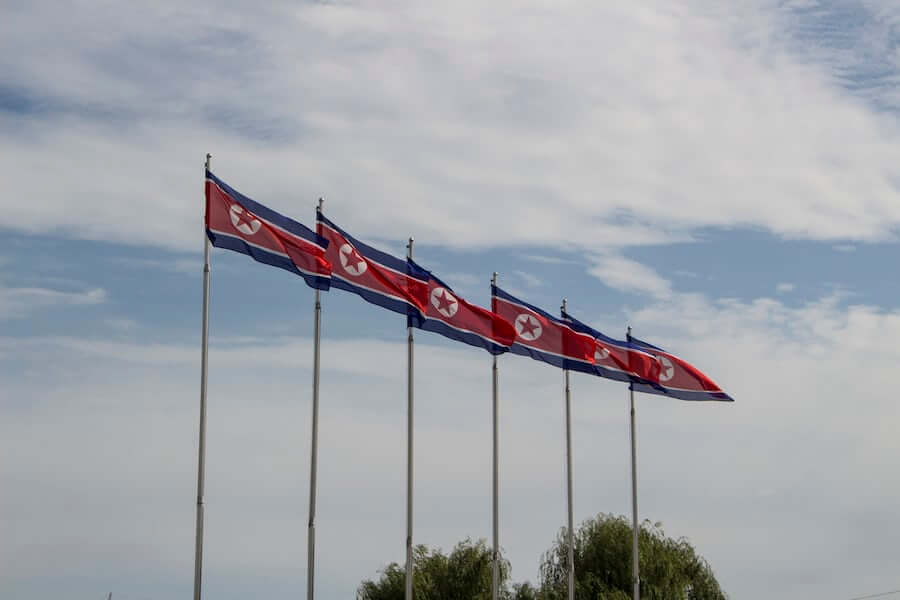
    For years, it has been known within the blockchain community that North Korean hackers have been in operation, stealing digital assets from victims all over the world. These stolen assets, in the case of the Lazarus group, are reportedly being used to fund the country’s nuclear weapons program in light of its ongoing sanctions from the US. But it is not just cryptocurrency that is being targeted as NFTs have also been stolen by hacker groups from the country. 

    The latest incident has been reported by SlowMist, a blockchain security company, and focuses on the activities of the North Korean ATP hacker group.

    How SlowMist Operates

    As per the report from SlowMist, which was published on December 24, 2022, the group has chosen phishing as its method of theft. Phishing is well-known, especially in the NFT and crypto space and refers to criminals replicating legitimate platforms, emails, and so on to get customers to give up their sensitive information. 

    SlowMist was first ticked off to the activities of this group after  Twitter user PhantomXSec mentioned in September 2022 that the ATP group was behind attacks on dozens of Ethereum and Solana projects. More specifically, the ATP group had created dozens of fraudulent domain names to trick customers and steal their assets. 

    In total, about 500 domain names were provided by PhantomXSec and SlowMist then began a more in-depth investigation into their activities. What was uncovered was a sophisticated network that used malicious minting and targeted major platforms. 

    “Upon further investigation, we found that one of the techniques used in this phishing attack involved creating fake NFT-related decoy websites with malicious Mints. These NFTs were sold on platforms such as OpenSea, X2Y2, and Rarible. The North Korean APT group targeted Crypto and NFT users with a phishing campaign using nearly 500 different domain names,” the report said, noting that these sites were split between different IP addresses. 

    It also found that the hacker group used the WETH, USDC, DAI, and UNI tokens in their activities and has copied popular sites such as the most recent World Cup to convince users to ‘approve’ actions that would lead to their assets being stolen.

    And unfortunately, this group has been quite successful in its endeavours. After uncovering an asset wallet that is linked to the group, the report shows that over 1,055 NFTs had been stolen, as well as a profit of 300 ETH.

    How Consumers Can Be Aware

    It is already public knowledge that the amounts being lost to hackers have only grown over the years. And as this report shows, the tactics being used are only becoming more sophisticated. It seems that as digital assets evolve, so do the methods used to steal them, forcing users to be more vigilant than ever before. 

    SlowMist, on its part, has advised NFT users to, “strengthen their understanding of security knowledge and further enhance their ability to identify phishing attacks in order to avoid falling victim to such attacks.” 

  • NFTs for Fundraising Approved in the US

    NFTs for Fundraising Approved in the US

    NFTs are used for a plethora of things these days. From offering art to documenting history to delivering all sorts of benefits to their holders, we seem to have only just scratched the surface of what these assets can be used for. 

    Now, in the US, NFTs could find a whole new world of applications as fundraising tools for elections. This comes as the  United States Federal Election Commission (FEC) has issued an advisory opinion allowing for the use of NFTs by DataVault Holdings to raise funds for election purposes. 

    Details About the Advisory

    As per the official documents, DataVault Holdings, an NFT-focused company, submitted an inquiry to the Commission on September 22, 2022. In it, it explained its plans to sell NFTs to political committees. This plan involved two types of programs. The first would see NFTs given to donors who gave more than a certain amount of money. 

    “The NFTs would contain artwork, campaign literature, position papers, or other digital content including video, audio, and interactive social media,” the document explains, noting that the NFTs could also provide access to special VIP events.

    The other proposal would involve committees having two types of NFTs. the first would be similar to proposal 1 in which those who donate more than a certain amount could receive NFTs. The other types of NFTs would be for those who not only earned the first type and also referred others who contributed beyond a certain amount.

    The commission concluded that because DatVault will receive reasonable compensation for its efforts and its activities would not constitute prohibited corporate contributions, it can proceed with these plans. 

    “The Commission concludes that DataVault’s proposals to provide political committees with NFTs on the same terms that it regularly offers its non-political clients would be a permissible extension of credit by DataVault in the ordinary course of business,” the document says. 

    What This Means

    While this is obviously a win for the company, it signals an even bigger win for the industry. There have been instances of NFTs being used to raise funds in the US already but this decision gives more legal backing for these activities. As such, we can expect to see NFTs play a bigger role in the political scene both in the US and around the world.

    And given the fact that election season is right around the corner for the US, this could not have come at a better time. And beyond essentially giving the legal right for NFTs to be used, this also means that blockchain as a whole can become a prominent electoral tool. 

    This was a sentiment shared by DataVault CEO Nathaniel Bradley who said in a statement to CoinTelegraph that he believes that blockchain is the future of elections and can offer trust and transparency for all. Here is hoping that this indeed is true and that come the next elections, blockchain and NFT will be front-and-centre at both fundraising and the conduction of elections as a whole.

  • Yuga Labs Announces Second Otherside Release

    Yuga Labs Announces Second Otherside Release

    As 2022 comes to an end, the NFT community has a chance to look back at some of the biggest projects this year, one of which was Yuga Labs’ Otherside and Otherdeed launch. Acting as the company’s foray into the metaverse, the Otherdeed sale especially made a splash, selling out very quickly and commanding small fortunes in minting fees. 

    Well, it seems that we’re getting more of this next year as Yuga Labs has confirmed that it will be conducting another stress test of the Otherside metaverse next year that will allow fans to participate. The lore within the Otherside metaverse has been developing over the last few months and centres around a quest to defeat an evil entity. Now it turns out that the battle is far from finished. 

    “Voyagers ventured into Otherside this year with First Trip, with nearly 5,000 concurrent users joining up with Curtis and Blue to face off against a corrupted giant Koda. Next year Voyagers will continue their journey with more trips and opportunities to make their mark as a persistent metaverse experience comes into view,” Yuga Labs says.

    Details About the Second Trip

    In an official end-of-year blog post, Yuga Labs confirmed that the second Otherside trip will be held in March 2023. However, it will differ from the first trip in a number of ways, such as new environments and mechanics being added. The first Otherside trip was lauded for its visuals which included several Bored Ape references and this new one will take this to the next level. 

    “Second Trip will be a huge step for Otherside and will be more gamified and high energy. The introduction of these new spaces and mechanics will make for a far richer experience, and enable the space to open much more frequently,” the announcement said. 

    The post also noted that while customizable avatars will not be available for this next trip, a solution for users will be announced soon. Customisable avatars are a major appeal of the metaverse and Yuga Labs clearly wants to give its customers the full experience. 

    The post also teased a series of activations that will take place in Otherside in 2023, as well as interactive site-based experiences. These activations will see Otherside users meet and interact with one another and as Yuga Labs puts it, will give them a chance to prepare for the metaverse’s wider launch. 

    Benefits for the Industry 

    But beyond Yuga Labs itself, this could be a great way to drive engagement among NFT users, especially given the current market condition. Blockchain-based assets have seen a slump across the board and NFTs have not been exempt. Doing this reinforces the idea that web3 projects and even NFTs have value beyond the speculative. 

    Otherside has been one of the biggest metaverse projects to date and from all indications, it will only continue on this path well into the new year. While no one can fully predict the state of the industry in 2023, it is clear that we will see a lot more of Otherside.

  • Meebits Announces Free-to-Use Album

    Meebits Announces Free-to-Use Album

    The holidays are always an exciting time, partially because new music is coming out. Whether these are modern Christmas classics or songs trying to secure a number 1 spot on the charts, it is a busy time in music. 

    Luckily for fans of Meebits, they are being given a musical treat in the form of a free-to-use album. This was announced on December 21, 2022, and is called ‘Meebits Turn On’. This album features 22 songs, including 13 new ones, by four virtual artists. This was done in partnership with WarpSound and users have until December 31, 2022, to claim the album as a free collectable. 

    Details About the Album

    In recent times, we have seen the emergence of digital artists who release songs and even ‘perform’ in the same way that real-life artists do. In fact, a band exists called KINGSHIP that comprises Bored Ape NFTs.

    Now, four of these artists- Nayomi, DJ Dragoon, Gnar Heart, and GLiTCH- will be making an appearance on the album. And despite the timing of its release, this album will not be a Christmas one. Instead, it will include many different music genres such as hip-hop, lo-fi, electrofunk, and trap. 

    “Today in partnership with @warpsound_ai we’re releasing the complete “Meebits Turn On” album – including 13 new, never-been-heard songs – on major music streaming platforms and as a free claim (plus gas) digital collectible for Meebit holders,” Meebits confirmed on its social media channels.

    Meebits Announces Free-to-Use Album

    So how can fans get their hands on the album? Well, they have to be Meebits or WarpSound’s WVRPS holders and the album can be accessed on major streaming platforms like Spotify, Apple Music, and Amazon Music. Once it is accessed, it can be minted as an ERC-1155 NFT that can be played on sites like OpenSea. 

    And the benefits to be had from the album go beyond just the chance to listen to unreleased tracks by virtual artists. All the songs on the album are free to be used commercially with a Creative Commons Attribution license. These days, music is becoming more widely available in NFT format and is even recognized for chart inclusion. But these tend to be more towards consumption of the songs and do not make mention of their commercial use. This release from Meebits could spark a new trend in the industry and we could see even more releases from other projects moving forward. 

    NFTs and the Music Industry 

    From musicians releasing their own NFTs to the many benefits that fans enjoy from them, NFTs and the music industry seem to be developing a relationship of sorts which could evolve even more and into new directions in 2023. When they first came on the scene, virtual and NFT artists were somewhat divisive, even among NFT fans.

    But as we’ve seen from this album, there is a lot of potential for virtual artists to succeed in the market and if this album is well-received, we can expect to see similar releases next year.