Category: News

  • Apple to Allow Third-Party App Stores in the EU

    Apple to Allow Third-Party App Stores in the EU

    Apple and the NFT industry have been in a back-and-forth for a few months now. This all started after it was revealed that Apple would be charging a 30% fee for all in-app NFT transactions and would not allow for redirection to third-party sites. This led to backlash from the NFT sector and the iOS App store was even called out by Coinbase.

    Now, it seems that there might be a loophole to these rules. This comes as a result of the European Union’s Digital Markets Act, a set of anti-monopoly rules that are set to be rolled out in the EU from 2024. These rules, according to reports, will mean that Apple will have to allow its customers to download third-party app stores and potentially avoid the company’s stringent requirements for in-app purchases. 

    What These New Laws Mean

    One of the first things to note is that Apple is one of the biggest mobile device retailers in the world and chances are, many of those who want to buy NFTs on mobile apps are using an Apple device. But currently, apps can only be downloaded on Apple devices on the iOS store which is controlled by Apple.

    And the current rules of a 30% commission and no external redirection means that NFT buyers and sellers using Apple devices have no choice. But once these laws kick in, Apple will have to enable to downloading of external app store which might not have such restrictions. This could be very beneficial for business that trade in NFTs such as Coinbase which called out Apple for its rules just this month.
    Apple to Allow Third-Party App Stores in the EU

    According to sources close to the situation, Apple intends to comply with this requirement and will allow for third-party app stores through its iOS 17 software update which is due in late 2023. But while the apps can be downloaded through this update, Apple is reportedly still deciding whether or not the third-party apps will be allowed to use their own payments infrastructure. 

    But regardless of what decision is taken by Apple, this is a big win for the NFT sector. And if similar anti-monopoly measures are adopted by regions outside of the UK, we could see NFT buyers have even more access. 

    Why This is Needed

    As has been stated, these laws are anti-monopoly measures being adopted by the EU and they exist for a reason. Case in point, Apple has a monopoly on in-app dealings on its devices and this has, essentially, held the entire NFT industry in limbo. With laws that break this monopoly, consumers are not beholden to a single institution. 

    At the end of the day, isn’t that the idea behind blockchain? That consumers are empowered by a decentralized world? As this new feature rolls out, we can expect to see a more robust world of mobile NFT transactions and the industry will be all the better for it. And in its wake, we can also expect to see more advocacy for these same laws outside of the EU.

  • Gamers Choose Bitcoin Over NFTs

    Gamers Choose Bitcoin Over NFTs

    While NFTs in themselves can be quite controversial, few things exemplify this more than their presence in the gaming industry. While the gaming sector has some NFT advocates, both among players and companies alike, it is also home to some of the most vicious NFT haters who decry their application in any way. 

    But while NFTs remain controversial in gaming, the results of a new survey by fintech firm Zeebedee show that gamers are a bit more favourable towards cryptocurrency. As per the survey, 27% of respondents would like to win Bitcoin when gaming, compared to only 5% who want to win NFTs.

    Bitcoin vs NFTs?

    This survey’s results are quite interesting in that it shows that attitudes towards blockchain-based products vary. While there is apprehension among gamers towards NFTs, cryptos are faring better. In fact, 67% of respondents said that they would be more likely to play free games if there was a chance of winning bitcoin.

    While the respondents were generally favourable towards crypto, there was also a special interest in bitcoin, which was noted by Ben Cousens, the chief strategy officer of Zeebedee.

    “Despite the bulk of industry attention being focused on NFTs, we found that Bitcoin stands out as the most popular decentralized asset amongst gamers when compared against other cryptocurrencies, including NFTs,” he said.

    Gamers Choose Bitcoin Over NFTs

    There are a number of possible reasons for this. First, Bitcoin is the world’s most famous and profitable crypto and as such, will be in the highest demand. At the same Bitcoin is one of the oldest cryptos in the world, and as such, has been able to prove itself over time compared to the relatively new NFTs. 

    Some other interesting discoveries from the survey was the fact that 45% of respondents indicated that there was a benefit in being able to trade in-game assets and characters. This is a hallmark of GameFi and is often done through these assets tokenized as NFTs. While 23% of respondents said that it would be a negative and 32% gave no response, this might indicate the possible application of NFTs in gaming. 

    From the results, gamers might not be very interested in NFTs as a reward for gaming but they could find a place in the in-game process otherwise. But despite all the opinions being shared, it is notable that most of the respondents (55%) don’t actually hold any cryptocurrency as of the time of the survey. 

    How NFTs Can Conquer Gaming 

    As this survey shows, NFTs have a way to go before they can become established in the gaming sector. And to do so, they might have to take a page from Bitcoin’s book.

    This means that NFTs will need to first persevere within and outside of the gaming sector, consistently proving their worth through valuable initiatives and applications. Over time, public opinion might soften towards it as it has towards crypto. And who knows, the same survey carried out years in the future might reveal vastly different results. 

  • Worlds Oldest Aquarium Launching NFTs

    Worlds Oldest Aquarium Launching NFTs

    One of the fascinating aspects of NFTs is the fact that they can do so much. From entertaining their holders to documenting history, they can certainly do it all. Now, a new NFT project is unlocking yet another utility for them; educating the public about science and technology.  

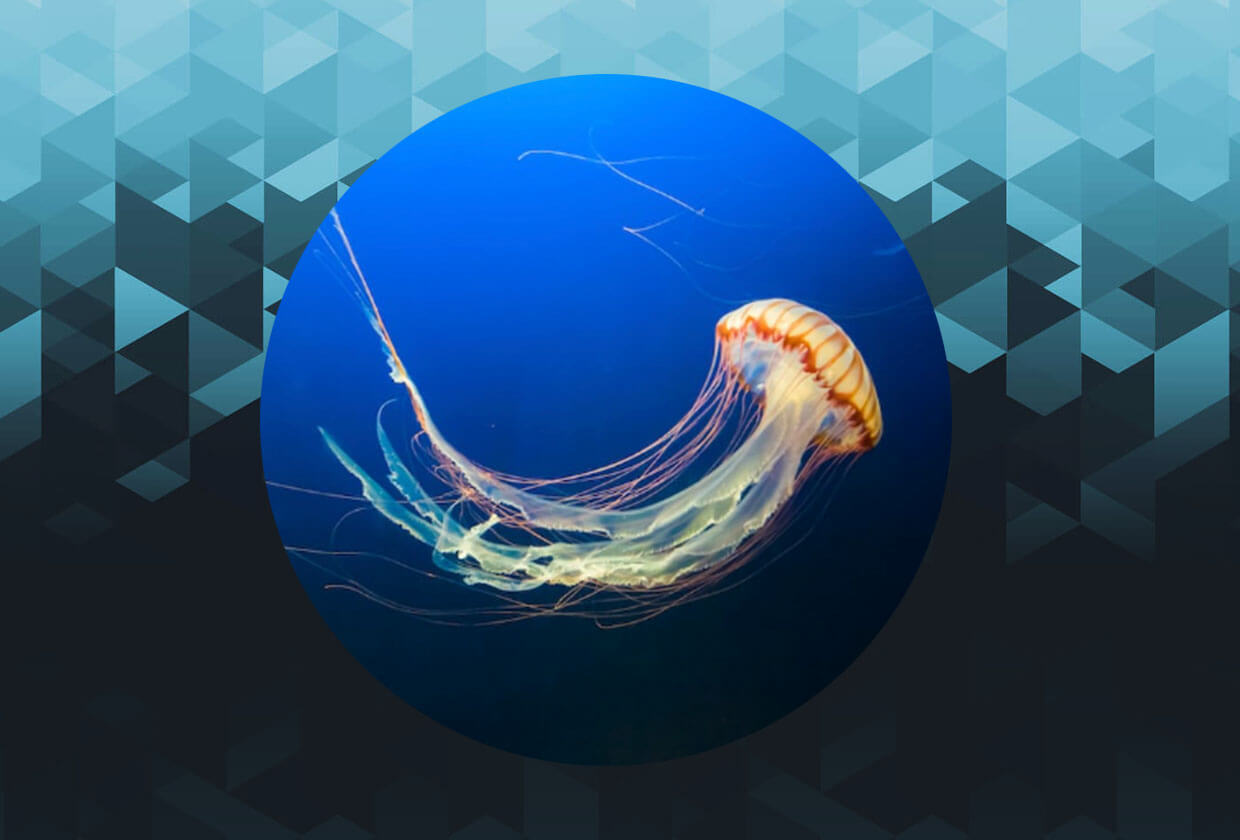
    The Aquarium de Paris, the oldest public aquarium in the world, has announced a new NFT collection that centres around its jellyfish. Due to be launched on December 16, 2022, the collection will consist of 1,234 Jellyfish-based NFTs and represents one of the more novel applications of NFTs we have seen so far.

    In many ways, this is a historic NFT collection as the Aquarium de Paris is the first aquarium in the world to launch an NFT collection, Given how high-profile it is, it would come as no surprise if others follow suit. 

    JellyfishXNFTs

    It should be noted that the Aquarium de Paris has an enviable collection of jellyfish at its disposal, the largest outside of Japan. This ties into the collection very closely, as the NFTs are 1:1 replicas of jellyfish that are in the aquarium. 

    This was ensured by a team of marine biologists who confirmed the details for each jellyfish such as their names and ages which are recorded on the blockchain and accessible to buyers. The result of this was a collection that boasts 60 visuals of 3D-modeled jellyfish and 24 different backgrounds which are also the first of their kind. 

    As the aquarium explains, the goal of this collection is both to promote science education and also support wildlife conservation. Not only do those who buy the NFTs get to learn about marine life but the funds raised from the sales will go towards the marine life housed in the aquarium. 

    Aquarium de Paris NFTs

    Besides the sentimental value, educational benefit, and the joy of supporting the sciences, the holders of the NFTs will also enjoy a number of perks. These will include free access to the Aquarium, guided tours with aquarium staff, in-store discounts, and much more. 

    Truly, NFTs have found an interesting application here and as the management of the museum explains, it has always been at the forefront of innovation. 

    “From its inception in 1867, the Paris Aquarium has been at the heart of innovation. The first modern aquarium built in the heart of the industrial revolution, it left a deep impression on people and inspired Jules Vernes to write Twenty Thousand Leagues Under the Sea. Today, as the era of virtual reality begins, the Paris Aquarium claims to be a pioneer of the Metaverse.” says Alexis Powilewicz, CEO of the Paris Aquarium.

    What This Means

    Not only is this a great initiative from the aquarium but it could also lead to more of its kind springing forth. Before now, no one might have thought of NFTs being used by this sort of institution but moving forward, we could see more high-profile aquariums, museums, and others stepping into the NFT space.

  • Oversupply and Greed Holding Back NFTs, Says, Gary Vaynerchuk

    Oversupply and Greed Holding Back NFTs, Says, Gary Vaynerchuk

    Whether you love them or not, NFTs have certainly given us a lot to talk about. Whether it is the debate about the worth of specific assets, the otherworldly personalities in the industry, or the drama between fans of different collections, the NFT sector is exciting. And this year, with the dreaded crypto winter raging on, there have been endless discussions about the state and future of the industry.

    One person who is weighing in is Gary Vaynerchuk, an entrepreneur and popular blockchain enthusiast. In a new blog post, Vaynerchuk has spoken about the slump that the industry has seen in some respects and what caused them.

    The Industry in Retrospect

    In the blog post, published on December 9, 2022, Vaynerchuk touched on his prediction from last year. On November 21, 2021, Vaynerchuk predicted that “98-99% of NFT projects from this “2021 NFT Year” will end up being bad investments” and urged his followers to be cautious when investing during a period of NFT hype, likening it to the gold rush and dot com bubble. 

    Another tweet from early 2022 also predicted that many NFTs would see their price floor come down to zero. Given that even blue-chip NFT collections have felt the impact of the winter, this prediction has been somewhat true. But why? The blog post went on to tackle some current issues in the industry that he believes have contributed to the current situation. 

    Oversupply and Greed Holding Back NFTs, Says, Gary Vaynerchuk

    The first issue pointed out in the blog post is an oversupply of NFTs. Since NFTs saw a boom in the last year, many collections, both by individuals and organisations, have been released and this has saturated the market. As Vaynerchuk points, out, there has been an oversupply and not enough demand to meet it. 

    He also pointed out greed as a factor in the current NFT market. As he puts it, many are rushing into the NFT space not out of passion but to make a quick buck and this will inevitably lead to many losing money.

    Poor operations were also cited by Vaynerchuk, who noted that the ability of anyone to start an NFT project means that underqualified people will find their way into the industry.

    “one of the biggest pros of NFTs is also one of the biggest cons – anyone can start an NFT project. This means that there’s now a huge number of people with no real knowledge of things like business […] that are entering the space and inflating the market with countless projects that won’t last 5, 10, or 20 years, let alone a lifetime,” he says.

    Looking to 2023

    The blog post concluded with Vaynerchuk making some predictions regarding 2023 and giving advice to his readers. For next year, Vaynerchuk predicts that the winter will continue, though more worthwhile NFT projects should come on the scene. Still, Vaynerchuk has reiterated that he is not denouncing NFTs. Instead, he insists that while the space might go through some tough times, it is resilient, adding, ”This is a long game, and the score isn’t out just yet.”

  • Binance Launches Bored Ape Staking Program

    Binance Launches Bored Ape Staking Program

    One thing that has become apparent in the last few years is that there are a lot of ways to make money from an NFT, especially a blue-chip one. Holders of Bored Ape NFTs, for example, can license their image and likeness for a fee, flip them, and so on. 

    Now, Binance is offering Bored Ape owners yet another way to profit from their funds as it has announced its  Ape NFT Staking Program to launch on December 12, 2022. This program, essentially, allows Bored Ape and Mutant Ape NFT holders to stake their NFTs for periods of time in exchange for cryptocurrency. Additionally, Binance will soon allow staking for Bored Ape Kennel Club NFTs.

    How Binance is Empowering NFT Holders

    Anyone who is familiar with cryptocurrency is likely aware of the concept of staking. Essentially, staking refers to a situation in which an asset holder agrees to ‘lock’ their asset away for a fixed amount of time in exchange for a percentage of cryptocurrency. This has been done with all sorts of cryptos over the years and now, Bored Ape and Mutant Ape holders can do the same with their NFTs.

    In exchange for staking their NFTs, they can earn ApeCoin, which is the native coin of the Yuga Labs ecosystem. According to Binance, users can choose either a flexible term or fixed term of 30, 60, or 90 days and the daily reward rate will be based on the real-time APR displayed on the Ape NFT Staking Program page.

    Binance Launches Bored Ape Staking Program

    Along with this, Binance has also announced a contest of sorts to mark the beginning of its staking program. The activity period for this content will be from December 7 to 31, 2022. To participate, users need to list one of several eligible Ape NFTs on the Binance marketplace. In return, they stand the chance to win their share of a 10,000 APE token pool. 

    “During the activity period, all users who list fixed-price NFTs from the Bored Ape Yacht Club (BAYC), Mutant Ape Yacht Club (MAYC) and Bored Ape Kennel Club (BAKC) NFT collections for sale on Binance NFT Marketplace, will be eligible to share a total rewards pool of up to 10,000 APE in rewards,” the announcement says.

    The NFTs that qualify for this competition have to both be eligible and be listed at a price that is less than or equal to 1.1 times the NFT Floor Price of the corresponding Ape NFT collection. The number of entries per user is limited to 10 for BAYC holders, 2 for MAYC holders, and one for BAKC holders. 

    The Benefits of Staking 

    Just like for crypto holders, there are several benefits that NFT holders can enjoy by staking their assets. Naturally, there is the passive income that comes from locking assets away for a while. The current bear market means that income from NFT resales is down and this represents a way for their owners to earn a passive income. 

  • OpenSea Adjusts Royalties Policy (Again) 

    OpenSea Adjusts Royalties Policy (Again) 

    In many ways, the watchword for 2022 in the NFT sector has been royalties. Once a default feature of the NFT space, royalties have been hotly debated this year but buyers, creators, marketplaces, NFT projects, and everyone in between. This year has also seen several projects revise their NFT policies, whether scrapping them as a requirement or reinforcing them. 

    Now, OpenSea, the top marketplace that has famously gone back and forth regarding royalties, has once again made an announcement regarding their treatment. This follows some pushback from web3 creators regarding a previous move it made to defend royalties. 

    OpenSea and Royalties

    As many of us might remember, OpenSea had enforced royalties as a default before making them optional earlier this year. But after getting backlash from users, OpenSea revised its decision, re-instating royalties and also launching a tool that would allow creators to enforce royalties even at the smart contract level. This tool was called the Operator Filter Registry and it essentially allowed NFT creators to stop their assets from being listed on any marketplace that did not honour royalties. 

    But, after receiving community feedback, OpenSea has announced yet another set of changes. These changes will see this tool being owned and controlled by a community as opposed to solely by OpenSea.

    OpenSea Adjusts Royalties Policy (Again) 

    “Before Jan 2nd, OpenSea will transfer ownership of the Operator Filter Registry to a multi-sig controlled by a collective incl. @ourzora @manifoldxyz @foundation @superrare @niftygateway & @opensea.Meet the Creator Ownership Research Institute (CORI) https://corinstitute.co,” a Twitter thread from OpenSea said. 

    The thread also acknowledged that while the Open Filter registry exists to protect royalties, it is the first version and as such, has some flaws. To work towards a better version of it, OpenSea says, management and governance of it have to be decentralized, which is the justification for this move. 

    “The charter of CORI is to create a decentralized body tasked with:

    – Open, transparent governance of the existing Operator Filter registry and the policies that surround it

    – “Built in public” R&D focused on improving mechanisms for creator fee enforcement in the future,” OpenSea said. 

    While those involved in the initial registry have been announced, the marketplace made it clear that more voices will be added to it over time, including those who are critical of it.

    Besides this move, OpenSea has also extended its previous requirement of collections having to implement these filters against non-fee paying marketplaces from November 8, 2022. Now, this requirement will not kick in until January 2, 2023, following feedback from the community. On top of this, OpenSea will allow even those who opt out of on-chain fee enforcement to set creator royalties that buyers can choose to pay.

    Finally, OpenSea has required that contracts deployed after January 2nd implement EIP 2981 as “their objective source of truth for creator fee preferences.” 

    With all these changes, it is clear that OpenSea is taking user feedback into account and while the royalties setup is still in development, the marketplace will continue to defend them.

  • Serena Williams, Justin Bieber named in BAYC Class Action Suit

    Serena Williams, Justin Bieber named in BAYC Class Action Suit

    The Bored Ape Yacht Club is one of the most popular NFT collections in the world, having brought in millions in sales and becoming perhaps the most recognisable collection within and outside the industry. One of the reasons for its popularity is undoubtedly its connection to celebrity culture, with many top stars like Justin Bieber and Post Malone owning pieces from it. 

    Now, a plethora of stars are at the centre of a class-action lawsuit against Yuga Labs, the parent company for the collection. This suit, filed on December 8, 2022, alleges that several celebrities violated securities law by not disclosing their financial connection to Yuga Labs when promoting their assets. 

    The Case Against Yuga Labs 

    It should be noted that while celebrities like Madonna and Serena Williams are at the centre of this suit, they are not the only ones being named. Besides Yuga Labs itself, crypto asset firm MoonPay is also listed in the suit, which claims that there was an elaborate plot to shill Bored Apes to the masses and enrich those involved. 

    How this allegedly worked is that Guy Oseary, who is known as the long-time manager for singer Madonna, had a roster of celebrities publicly support Yuga Labs’ NFTs and in exchange for this, they were given payments through MoonPay, which  Oseary also has a connection with. It should be noted that many of the Bored Ape purchases for celebrities were actually conducted by MoonPay, which makes the suit even more complicated. 

    Serena Williams, Justin Bieber named in BAYC Class Action Suit

    While nothing has been proven yet, it is worth noting that Bored Apes and other blue-chip NFTs are quite popular because celebrities have bought into them so much. Just like with sports cars and designer clothing, the fact that many stars own Yuga Labs-affiliated NFTs would have made more people want to buy them. 

    But at the same time, this case will have to prove that the celebrities were being paid to promote these assets and did not disclose them, which is no easy feat. Yuga Labs, on its part, has denied all these allegations. 

    “In our view, these claims are opportunistic and parasitic. We strongly believe that they are without merit, and look forward to proving as much,” Yuga Labs said in a statement to Decrypt. 

    And this is on top of another investigation that Yuga Labs is currently facing which alleges that it violated securities laws in the sale of its digital assets. And then there is the investigation that the hacktivist group Anonymous is conducting into Yuga Labs regarding its origins. 

    The Celebrity and Digital Asset Dilemma

    As digital assets like crypto and NFTs are becoming more popular, they are being promoted by celebrities to their fans. This, however, has some legal implications, especially when it comes to disclosure. 

    Just recently, a judge dismissed a similar case of celebrities like Kim Kardashian promoting a crypto project which eventually failed. These cases, ultimately, set the precedent for celebrity digital asset promotions. 

  • NounsDAO to Donate 100 ETH to ZachXBT

    NounsDAO to Donate 100 ETH to ZachXBT

    If you’re interested in crypto and NFT-related crimes then you’ve probably heard of ZachXBT. The anonymous Twitter user who describes themselves as an ‘on-chain sleuth’ is famous in the industry for carrying out investigations on crypto crime. Famously, they have documented the activities of the NFT thief known as Monkey Drainer and an NFT theft ring. These are detailed in long blog posts that are the result of months of work. 

    Thankfully, ZachXBT is getting some help with his work as NounsDAO has approved a proposal to donate 100 ETH to them to aid in their work. 

    ZachXBT Gets Some Help

    As the DAO has explained, the work that ZachXBT does is very helpful to those within and outside the community and supporting their efforts is a worthy cause. 

    “@ZachXBT is a public good serving the crypto ecosystem through tireless research exposing countless scams. Recent events have highlighted the dire need and importance of such work. This prop proposes to fund 100 ETH to their donation address: zachxbt.eth (address can be verified from their twitter profile),” the proposal said, adding that the proposer did not have a current relationship with the sleuth and had no intentions to foster one.

    It was noted that the issue of donations has been a controversial one within the DAO, with previous Prop 21 and Prop 108 being noted. But, as the DAO member who brought forward the proposal said, this is not an instance of a passive donation being made. Instead, it is being highlighted as a way of doing public good.

    NounsDAO to Donate 100 ETH to ZachXBT

    “We should instead aim to actively contribute and be a net producer of public goods ourselves such that our meme (brand) can fully capture the provenance value (claim on originality of) the public work […] However, there should be exceptions to this rule if there is an urgent and common public cause that warrants highlighting. I would like to suggest that this is such a case. Crypto needs more validators like ZachXBT,” it says. 

    The proposal was successful, with 180 DAO members voting for it and 20 voting against it. Decentralized Autonomous Organizations have been very appealing in the blockchains sector for the way that they allow their members to democratically make decisions and this can be seen here. This proposal was put forward and with the support of the community, a crypto detective who has dedicated countless man-hours to the industry can receive support. 

    The Benefits of Sleuths

    As the amount of money in NFTs that are lost to hackers and criminals unfortunately grows, detectives like ZachXBT are needed now more than ever. Their work has helped to expose the activities of criminals like Monkey Drainers and has helped NFT holders be more security conscious. As we’ve seen with the French syndicate, it can also lead to criminals being caught by the police and prosecuted. 

    The industry clearly sees the value in ZachXBT’s work and hopefully, with this donation, it can continue into the future. 

  • FTX NFTs Malfunctioning 

    FTX NFTs Malfunctioning 

    While the now-defunct FTX exchange dealt primarily with cryptocurrency, its collapse has also affected the NFT sector. More specially, those who had their NFTs stored on the exchange such as buyers of this year’s Coachella NFT passes, have found themselves unable to access their assets as the exchange has halted withdrawals. 

    Sadly, the situation has gotten even worse as a new account from a Solana engineer called jac0xb.sol on Twitter says that the metadata of the NFTs has been tampered with. As a result, when users click to view their NFTs, they do not see the artwork it originally came with and are redirected to a third-party site.

    NFTs in Danger?

    In a series of tweets from December 7, 2022, the engineer revealed that the current issue has been caused by FTX’s data storage choices.

    “Oh look FTX hosted all the NFTs minted on their platform using a web2 API and now all those NFTs have broken metadata and the links go to a restructuring website,” he posted, along with a screenshot of a faulty metadata page and of bankruptcy details for FTX Trading co. 

    It should be noted that the US version of the FTX site now redirects to the company’s bankruptcy page. But for NFT holders, this leads to a precarious situation in which their NFTs are visible to them but the images attached to the assets are not. Since this tweet went live, several users have shared images of the NFTs in the FTX accounts which all look blank. 

    FTX NFTs Malfunctioning 

    NFT users on FTX don’t seem to be able to catch a break; first, their NFTs are essentially stuck on the exchange with little hope of getting them back. Now, the NFTs that are on the exchange are having their metadata changed and their images gone in what can only be described as a bizarre turn of events. 

    Because NFTs are based on blockchains, we like to think of them as unchangeable and it might not have even occurred to many of us that this sort of change would be possible. But this is a pitfall, jac0xb.sol says, of using centralized web3 storage solutions.

    “There is a lesson to be learned here yet collections are still hosting metadata on AWS,” he said, with many of the replies agreeing with him but also pointing out that it is common practice even among web3 projects.

    One Twitter user called @Chopper_Dad noted that over half of all existing metadata for NFT is stored on centralized exchanges. 

    Protecting NFTs

    While this incident is unfortunate, it does shed some light on current industry practices that can be improved. First, there is the obvious due diligence that exchanges and other platforms can undergo to avoid an FTX-style collapse. 

    There is also the matter of NFT metadata storage. This incident might be rare but it does show that centralized metadata storage might not be adequate for the industry long-term and while FTX customers continue to hope for a recovery of their assets, can hopefully be addressed.

  • Winamp Adds NFT Support

    Winamp Adds NFT Support

    Kids of the 1990s will likely remember Winamp, a free music player application that is featured on Microsoft Windows PCs. They’ll also be pleased to know that this iconic app has transitioned into the modern world quite well, delivering its baseline service while also innovating with the times. 

    Case in point, the app has announced that its most recent version will allow not just the playing of songs but the playing of audio embedded within NFTs. This good news for both NFT and music lovers was confirmed in a December 6, 2022 statement. 

    Winamp Embraces NFTs 

    Along with the NFT-based upgrade, this latest version on Winamp also has several security improvements attached. 

    “We are proud to announce a new version (5.9.1) for our Desktop player. This new version reduces Winamp’s memory footprint and upgrades security among many other improvements, it also allows you to play your music NFTs. New version available now,” the official Winamp Twitter account said. 

    It is worth noting that Winamp is very well-known, especially among those who relied on it for playing music in the 1990s and 2000s and its public embrace of NFTs is hardly insigificant. This announcement not only means that NFT music can be played more easily but that the asset class is being given even more legitimacy.

    Winamp Adds NFT Support

    With this new upgrade, audio and visual NFTs that are based on the Ethereum and Polygon blockchain can be played with ease. Over the last few months, we’ve seen many music acts release NFT-related projects, some of which include tracks sold as NFTs. 

    A common question regarding these is how exactly you ‘play’ such songs. Now, NFT lovers have yet another option to do so. And given how popular some of these releases have been to the point that official music charts are counting them as part of record sales, this sort of tool is very much needed. 

    This was a sentiment reiterated by Winamp CEO Alexandre Saboundjian, who said that the app is adapting to meet changing consumer needs and in 2022, these needs include NFTs.

    “Winamp was a key part of the first digital music innovation, when mp3s changed the way we listen and enjoy music. Now we’re supporting the leading edge of the next one, as more and more artists explore web3 and its potential,” he said, adding that accessibility and innovation have always been at the heart of the app’s operations.

    And the benefits of this development go beyond just Winamp users who can play NFTs but extends to the rest of the music industry. When any innovation in media consumption comes out, platforms to make them more accessible are needed and when they exist, these innovations can thrive. 

    Simply put, if there are apps that play NFT songs and the charts recognize NFT songs, musicians will create NFT songs. We can only hope that more music players follow Winamp’s lead moving forward and soon, we could all be jamming out to our favourite artists via NFTs.