Category: News

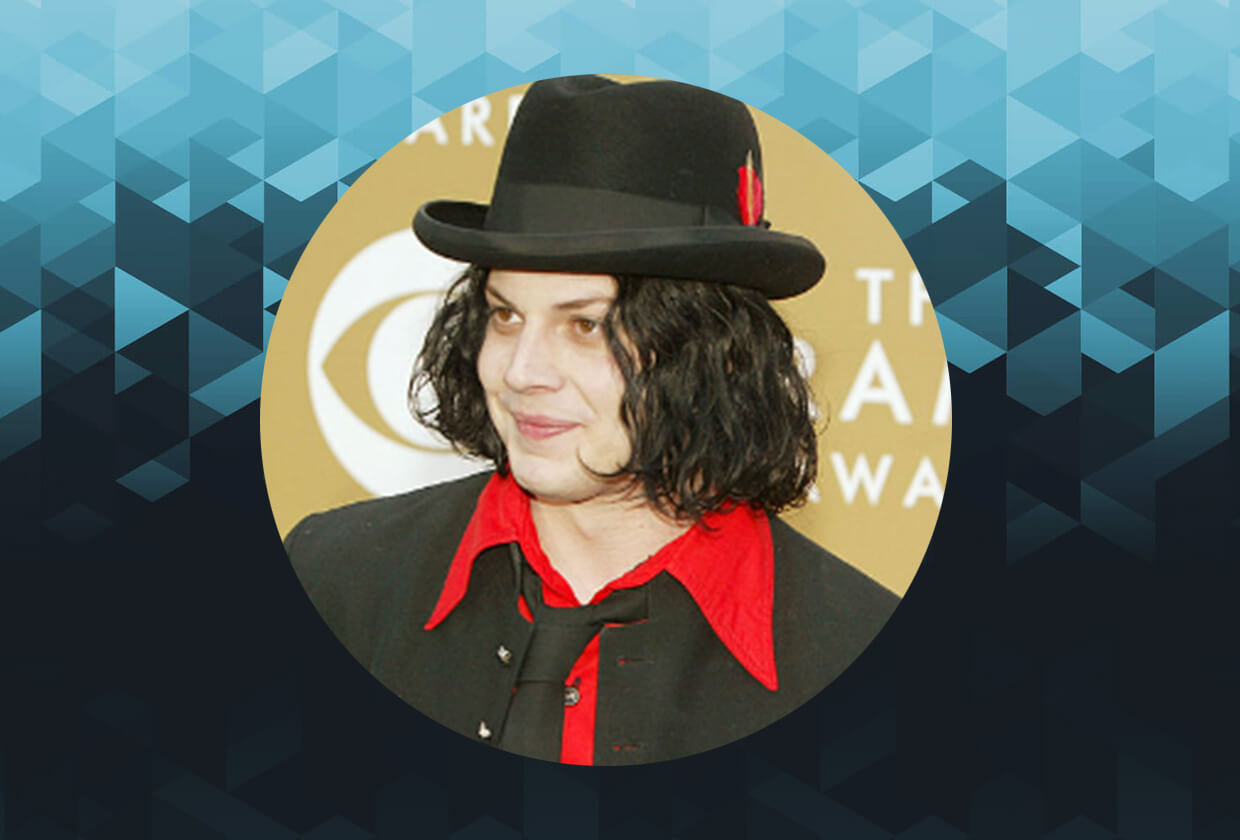
  • Jack White Regrets 2021 White Stripes NFT Collection

    Jack White Regrets 2021 White Stripes NFT Collection

    Perhaps one of the reasons why NFTs have grown so much in public visibility is the fact that so many celebrities have released NFT collections. From musicians tokenizing their album royalties as NFTs to many sports stars launching NFT options, they seem to have become a favourite of celebrities. 

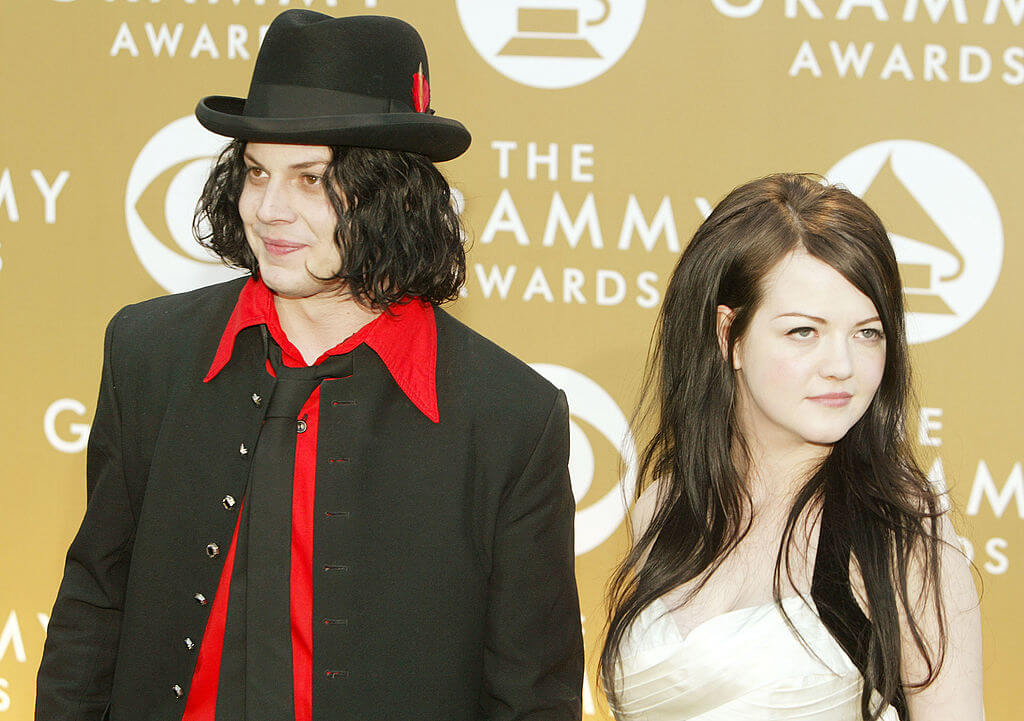
    But one of these celebrities, Jack White, has expressed regret about his previous NFT collection. This has been revealed in a new interview with the Atlantic where he admits that he was never passionate about the collection and that it was mainly a cash grab by his band’s management. 

    Sellers’ Remorse?

    Fans of Jack White and his band the White Stripes might remember that in April 2021, they released an NFT collection. This NFT collection included art pieces as the visualizer for the Glitch Mob remix of their famous song Seven Nation Army. 

    Now, over a year after the collection was released, White has admitted that he isn’t actually interested in NFTs and that it was more of a business move than an artistic one. However, he clarified that the band does not plan to release more collections in the future.

    “I don’t want to come out and say ‘I had nothing to do with this. It is my band. We allowed it to happen. But it didn’t really interest me. It’s not something we’ll be doing very much of,” he said. 

    So, why did the band go ahead with the collection? White explains that NFTs had become another way for musicians and other creatives to make money. Sensing the opportunity and seeing how much money NFTs could fetch the band, they decided to go ahead. 

    “It gives off a vibe of ‘Well, if people are stupid enough to give me money for this, I’ll take it,” he added.
    Jack White Regrets 2021 White Stripes NFT Collection

    This is interesting given the fact that it is also a common claim by NFT critics. Many of them claim that NFT collections are just cash grabs on the part of their creators. But to an extent, this is to be expected. 

    Just with the boom in cryptocurrency in the 2010s, there will be people who will release projects in the space simply to capitalize on its popularity and make a quick profit. But over time, practical and valuable applications of the technology will rise to the top. 

    We can already see this in the innovative ways that NFTs are being used to deliver value. From being a way to access royalties to NFTs being used to raise funds for charitable purposes, they are fast outgrowing the reputation of being cash grabs.

    Full Disclosure

    While fans of the White Stripes might be disappointed at this revelation, it does serve to show those in the NFT space that not every collection is a genuine artistic effort.

    Inevitably, there will be some NFT efforts that are purely about the financial gain but as the industry matures, these will hopefully become easier to spot by buyers and avoided.


  • Seth Green Regains His NFTs

    Seth Green Regains His NFTs

    Despite all the benefits, there are some downsides to owning an NFT from a top collection. One of these is that you are constantly being targeted by thieves who want to steal your asset. This can be through wallet hacks, phishing schemes, and so on. 

    Comedian and actor Seth Green learned this the hard way after several of his Bored Ape Yacht Club NFTs were stolen. One of these NFTs was of an ape that was meant to star in an upcoming TV series, with the loss of the NFT and its attached copyright putting those plans in jeopardy. 

    Now, Green has recovered one of the four NFTs that were stolen from him, albeit at a high cost. 

    The Cost of an Ape

    On June 9, 2022, Green invited his Twitter followers to join in a Twitter space where he gave an update on his NFTs. In the space, he revealed that one of his NFTs was finally back in his possession. However, this came at a rather high cost. 

    To get his NFT back, Green had to pay roughly 165 ETH, which comes to almost $300,000. This payment was made to an NFT collector simply known as DarkWing84. You might remember that when Green first announced that his NFTs had been stolen back in May, he had tweeted out to a user he believed had bought the NFT.

    “Well frens it happened to me. Got phished and had 4NFT stolen. @BoredApeYC @opensea @doodles @yugalabs please don’t buy or trade these while I work to resolve:

    @DarkWing84 looks like you bought my stolen ape- hit me up so we can fix it,” Green tweeted at the time. 

    Seth Green Regains His NFTs

    Now, it seems the two reached an agreement regarding this NFT and the issue has been resolved. But Seth Green is not out of the woods just yet. One of the other NFTs, Bored Ape #8398, has still not been returned to him. 

    This NFT is particularly important because the Ape depicted was to star in his upcoming show called White Horse Tavern. The way licensing works with Bored Ape NFTs is that whoever owns them can license the image of the Bored Ape for commercial use.

    The problem is that while Green paid for the NFT and is the legitimate owner, it was stolen from him, along with licensing rights. As such, the future of the character in his show is in limbo. For now, OpenSea has flagged the NFT, meaning it cannot be sold on the platform. 

    The Complexities of NFTs

    The current saga with Seth Green and his NFTs shows just how important safeguarding users’ NFTs are. The Bored Ape NFTs already cost the actor a lot of money to buy in the first place and he is now having to pay hundreds of thousands of dollars to recover even one of them.

    Hopefully, Green is able to recover the rest of his assets and better NFT security can be achieved for all asset holders.

  • Mastercard Announces Partnership to Enable NFT Purchases

    Mastercard Announces Partnership to Enable NFT Purchases

    The NFT sector is in a very interesting place in its evolution. It has achieved global visibility but is still in the process of achieving global adoption. For this adoption to occur, certain things need to be put in place, one of which is the ease of purchase. 

    For the average person, buying an NFT would mean signing up for an NFT marketplace like OpenSea and then buying cryptocurrency that will be used to purchase the asset.

    Now, global payments processor Mastercard has announced a new partnership that is geared towards making NFT purchases easier. 

    The New Announcement 

    In the official statement, released on June 9, 2022, Raj Dhamodhran, the head of digital asset and blockchain products and partnerships at Mastercard, explains that ease of purchase is a top priority for the company. 

    By creating easy pathways for NFT purchases, even more people around the world can buy them. It was also revealed that a recent Mastercard survey of  35,000 people in 40 countries found that almost half had bought or were considering buying an NFT. 

    Another half of the respondents stated that flexible payments were a priority for them, showing just how needed payment solutions are.

    Mastercard Announces Partnership to Enable NFT Purchases

    In light of this, Mastercard has announced that it will be working to enable NFT commerce with several companies and platforms. These include Immutable X, Candy Digital, The Sandbox, Mintable, Spring, Nifty Gateway, and MoonPay.

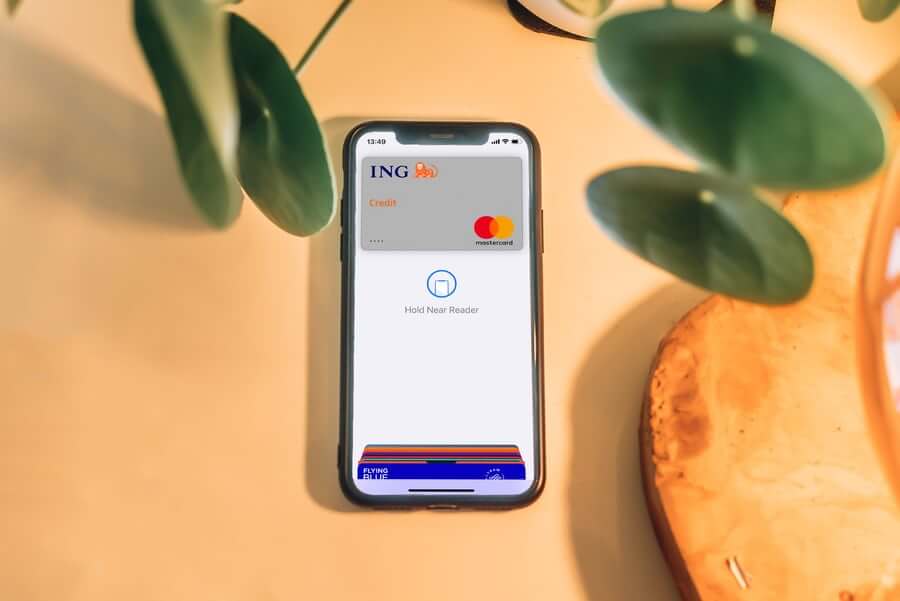
    With these partnerships in place, users will be able to pay for NFTs using their Mastercards, bypassing the process of having to buy cryptocurrencies first. This applies whether users are operating on these sites’ marketplaces or using their crypto-focused services. 

    This is yet another step in Mastercard’s mission to embrace Web3. Earlier this year, the company had announced that it would be enabling its payment network on Coinbase’s NFT marketplace, opening it up to the over 2 billion Mastercard cards that are used globally. 

    The statement also touched on the NFT space, and how this payment accessibility only serves to make the industry more inclusive to all. 

    “These latest efforts are intended to build on the enormous potential of the NFT market, growing payment choices for consumers and expanding NFT communities. We’re looking forward to continuing our work with all these companies to make sure this market can become even more welcoming, accessible and easy,” the statement concluded.

    The Road to Buying NFTs

    For many people around the world, NFTs are seen as a niche asset that only tech nerds and crypto bros have any interest in. A part of the reason for this is how inaccessible they are to purchase oftentimes. 

    But there has been a recent effort to make NFTs easier to buy. From Instagram testing NFT listings on their platform to this new development from Mastercard, NFTs will soon be easier to buy than ever before. 

    And, of course, this only means more money will flow into the industry and more opportunities will be created for those in the space.

  • Mattel to Launch Cryptoys NFTs

    Mattel to Launch Cryptoys NFTs

    It is no secret that the NFT-loving crowd tends to be on the young side. As the recent Seton Hall study shows, those who are most enthusiastic about NFTs are in the 18 to 25 age range. 

    Now, it seems that the NFT crowd is about to get a lot younger. This comes as Mattel, an iconic toy company, has announced the incoming launch of its cryptoys. These ‘cryptoys’ will be playable NFTs that are targeted toward children and younger people.

    Playing in the Metaverse

    Most of us might know Mattel as the company behind popular children’s toys like Barbie and Hot Wheels. Now, the company will be making yet another appearance in the metaverse using NFTs.

    In the past, the company released NFTs of the Hot Wheels franchise and this led to other toy makers making the leap. This new NFT release, however, will be a result of a partnership between Mattel and OnChain, a Web3 company. 

    Through this partnership, the NFTs will be released on the Flow blockchain. As per the Cryptoys website, customers can expect to enjoy interactive collectibles, Play-to-Earn games, and immersive next-level experiences.

    Keep in mind that Mattel’s IP roster has some of the most recognizable toy franchises in the world and these can be easily translated into NFTs. 

    Mattel to Launch Cryptoys NFTs

    “We see incredible opportunity in the metaverse for our cherished brands and iconic IP,” Mattel President and COO Richard Dickson says about this new development.

    Given how much overlap there has been between NFTs and gaming, a foundation already exists for Mattel. At the same time, Dickson acknowledges in a statement to the Fast Company that the way children are playing has changed over time. 

    In the past, a physical Hot Wheels or Barbie toy would have been the first choice for children. These days, kids are playing with mobile devices and accessing their favourite franchises in the digital world. 

    Having been a giant in children’s entertainment for decades, Mattel’s foray into NFTs can be seen as a way of meeting the modern child where they are.

    “No doubt about it, the playground is expanding. We want to be at the forefront of that evolution of toys in both the physical and digital worlds . . . our business leads us to wherever the consumer is, and that includes the metaverse and NFTs,” Dickson said.

    The company has not yet confirmed which of its intellectual properties will be turned into NFTs.

    The Digital Playground

    Every sector of human life has evolved over the years and children’s entertainment is no different. While children, of course, still play with physical toys, the stereotype of the modern child playing on their iPad exists for a reason. 

    With new projects like Cryptoys, this new market of tech-focused children is certainly going to be served. This, along with projects like the incoming Looney Tunes NFT project, also means that many iconic IPs that are popular with children will be getting a digital upgrade and finding their way into the metaverse.

  • 1 in 4 US Households Has Bought NFTs, Says Seton Hall University

    1 in 4 US Households Has Bought NFTs, Says Seton Hall University

    NFTs are everywhere these days, from dominating the news cycle to being endorsed by celebrities around the world. But even amongst this global visibility, there are still people who believe that NFTs are based purely on hype with no real-life application.

    While there is no doubt that NFTs are popular, how many people are actually investing in them? Well, the Stillman School of Business at Seton Hall University has released the findings of a new study that helps to answer this question. 

    As per the study, about 1 in 4 households in the United States have bought NFTs or cryptocurrencies. 

    The Popularity of NFTs

    The study in question polled 1,514 US adults who were asked whether they had bought any cryptocurrencies or NFTs. As per the results, 24% had bought either a cryptocurrency or an NFT or both. 

    The results indicate that younger people (42% of 18 to 34-year-olds compared to 29% of 35 to 54-year-olds) are the primary investors in these digital assets, as well as men (37% compared to 13% of women).

    The study also investigated attitudes among sports fans and found that there was particular interest among them for things like cryptos and NFTs. The study thus concluded that there is significant potential for NFTs in the sports space.

    1 in 4 US Households Has Bought NFTs, Says Seton Hall University

    “Although we are in the early innings of crypto and NFT ownership, sports fans have shown a real proclivity for engagement in these markets,” said Seton Hall Marketing Professor and Poll Methodologist Daniel Ladik. “If managed effectively, NFTs could become a major source of revenue as well as a new avenue of fan connection for sports brands. In a digital age, interactive assets like NFTs can drive a sense of holder equity and belonging – key attributes for brand success.”

    More specifically, they showed a particular interest when these digital assets came with exclusive perks like being able to upgrade their tickets for free (43%), receiving discounts at team stores (34%), converting their digital asset into a collectable (28%) and so on. 

    Professor Charles Grantham, the Director of the Center for Sport Management within the Stillman School of Business, explains that NFTs could be viable business ventures for sports leagues. Given the results of the poll, it would seem that sports fans are more than willing to pay for these NFTs if the right perks can be attached. 

    However, he acknowledges that a lack of understanding of NFTs could be the reason why they have not fully explored them.

    What this Means

    From this study, a few things have been made clear. First, more people in the United States are being exposed to and buying digital assets. Also, men and younger people seem to make up a majority of the people buying these assets. 

    Even among this demographic, a sharp interest in NFTs seems to exist among sports fans, especially for the perks they can enjoy through them. If this need can be met, sports leagues stand to profit immensely off the NFT space.

  • Salesforce Announces NFT Cloud

    Salesforce Announces NFT Cloud

    It’s no secret that more and more people are buying NFTs these days. From celebrities paying millions for Bored Apes to everyday people starting their NFT journeys, a lot of money is being thrown around in the industry. 

    To meet the growing need, many more companies are releasing NFTs, whether as speculative assets, tied to a product or service, or simply as collectable items of sentimental value. 

    Now, even more businesses will be able to offer NFTs to their customers as Salesforce, a top customer relationship management software provider, has announced the launch of its NFT Cloud pilot.

    NFTs For Sale

    With this new development, Salesforce users will be able to mint, manage, and sell NFTs to their customers. According to Salesforce, this move was spurred on by demand from its customer base. 

    In light of this, smart contracts for the NFTs have already been written and users can immediately make the leap without technical barriers. 

    “NFT Cloud is all about helping our customers mint, manage and sell NFTs, and of course it’s all no code. So it’s super easy on our platform, abstracting all the complicated technology in this [new] web3 world,” Adam Caplan, SVP of Emerging Technology at Salesforce said in a statement to TechCrunch.

    It was explained that CMOs and CDOs wanted this new service to allow them better connect to their customers. This, apparently, isn’t limited by industry, as professionals in everything from retail to fashion have shown interest.

    With the NFTs that will be offered to clients, there is a focus on utility and the benefits that they can offer their holders. 

    “It’s really about utility. And what we mean by utility is as an NFT holder, I receive certain benefits. It could be something in a digital world, or it could be something in the physical world,” Caplan continues. 

    Considering the popularity of Salesforce and the number of businesses that use it, we could see some very creative applications of NFTs. 

    Along with utility, this project also has an emphasis on sustainability. Caplan has explained that a net-zero approach has always been a part of the NFT Cloud project and that Salesforce users can embrace ethics and sustainability while reaping its benefits. 

    While this product is indeed interesting, it has not come without some controversy. Earlier this year, when talk about Salesforce embracing NFTs began, around 400 of its employees pushed back. The employees sent an open letter to the Salesforce leadership, decrying NFTs as harmful. 

    With the emphasis being placed on ethics and sustainability, it seems some of these complaints were taken to heart.

    Buy Your NFTs

    One of the major stepping stones toward NFT adoption is them being widely available for sale and purchase. By incorporating NFT functionality, Salesforce is ensuring that millions more can have access to NFTs. 

    While the road to the NFT Cloud project was not without its issues, it will be interesting to see what effect it will have on NFTs being used around the world.

  • Actor Rob McElhenney Launches NFT-Powered Writers Room

    Actor Rob McElhenney Launches NFT-Powered Writers Room

    When it comes to the world of TV, few things are quite as important as the writers’ room. The writers’ room is the collaborative space where a team of writers come up with storylines, dialogue, characters, and so on. Needless to say, writers’ rooms have given us some of the most iconic pieces of intellectual property in existence. 

    Now, Rob McElhenney, known for starring in such shows as ‘It’s Always Sunny in Philadelphia’, is giving the classic writers’ room a digital upgrade thanks to NFTs. This will be done through his web3 company Adim, which recently raised $5 million in a funding round led by VC firm Andreessen Horowitz.

    Writing in Progress 

    The goal of Adim as a company will be to virtually bring together creators of varying backgrounds to develop ideas and characters and then offer each a share of the intellectual property being created via NFTs.

    How this will work is that interested writers can apply to the Admin company and 100 will be chosen to join a virtual writers’ room. This room will have McElhenney himself, as well as famed TV writer Keyonna Taylor. After each session, all the writers will receive an NFT. 

    These NFTs signify that they have contributed to the creation of the intellectual property developed within the writers’ room and thus, are entitled to a portion of royalties. 

    Actor Rob McElhenney Launches NFT-Powered Writers Room

    McElhenney has explained that this project was created in the spirit of creative collaboration, which he believes must be updated to stay on track with the digital world. 

    “Every beloved character throughout TV, movie, and gaming history has been imagined and brought to life through collaboration. Adim is building for the next evolution of these groups—communities of creators, writers, artists, designers, developers, fans, and friends working together to create and own a new generation of content,” he says. 

    This business model proposed by Adim is certainly a modern one. First, the writers do not need to be in close physical proximity to participate in a writers’ room and share ideas. Additionally, they receive a digital receipt of sorts that acknowledges their contributions and makes sure they are compensated. 

    NFTs are often used to signal ownership but their use as a royalty-sharing tool is fast becoming more common. You might recall that pop duo the Chainsmokers released royalty rights to their newest album as NFTs and if this trend continues, they might be more widely used within entertainment. 

    Digital Collaborations 

    Day by day, we are finding new ways to leverage the power of NFTs and Hollywood, in particular, seems to be getting creative with them. While it is easy to dismiss NFTs as merely speculative assets, they could have a long-term future in the entertainment business, especially when it comes to the division of royalties, which is a famously contentious topic. 

    From music to television, NFTs could become the tool of choice for writers and other creatives looking to collaborate with one another or simply streamline royalties and earnings payments.

  • StockX and Nike’s NFT Battle Heats Up

    StockX and Nike’s NFT Battle Heats Up

    One thing we’re definitely going to see a lot more of in the NFT space is lawsuits. From artists suing NFT marketplaces that sell their stolen works, NFT owners suing marketplaces after their assets are stolen, and much more. 

    When you take a concept as novel as NFTs and an industry that is bringing in billions of dollars, someone is bound to have a dispute and more than a few people will find themselves in court. 

    One of the most prominent NFT-related lawsuits is between Nike, a global apparel brand and StockX, a popular sneaker reseller. The current legal scuffle has taken a turn as StockX has claimed in court that Nike’s lawsuit is without merit.

    The History of the Case

    So, how did StockX and Nike end up in court in the first place? This all began in January 2022 when StockX announced its Vault NFT series. This series essentially saw the site sell 9 limited edition sneakers that were attached to NFTs. 

    The benefit of this was that sneakers could easily be resold even without the physical product being available just yet. 8 out of the 9 limited edition sneakers being resold were Nikes and this is where the dispute began.

    Nike then brought a lawsuit against StockX, initially claiming that the site was infringing on copyright and then claiming that there was the possibility of StockX selling counterfeit products on their site which could affect Nike.

    StockX and Nike’s NFT Battle Heats Up

    In response to this, StockX has claimed that it has a very thorough authentication program that uses both human and AI inspection. StockX’s legal team has also pointed out that Nike, prior to the lawsuit, had praised the system. 

    Now, there is a dispute regarding the vault NFTs and whether or not StockX is selling virtual assets of Nike products, which they would not have the legal right to do so. StockX has claimed in court that the NFTs act as more of a digital receipt and a stand-in for the product and not the product itself. 

    But Nike has argued that because the NFTs can be traded repeatedly without the physical product it is attached to being moved, it is the product being sold and thus, StockX is in violation of trademark laws. 

    StockX has hit back claiming that Nike’s claims are meritless and that they have done nothing wrong. The case is still ongoing. 

    The Worth of an NFT

    This lawsuit goes beyond just Nike and StockX and the Vault NFT series. At its core, it is a dispute about when and if NFTs constitute assets. Many NFT collections are tied with tangible assets but it is typically understood that one of the two is the main asset being paid for, with the other being an add-on.

    While the NFT sector has accepted this, its legal limitations are being tested in court. Regardless of its outcome, this case will likely set the stage for how trademarked goods can be sold along with NFTs.

  • English Premier League Files Trademarks for NFTs

    English Premier League Files Trademarks for NFTs

    Because of the diversity of their use cases, NFTs have found their way into many industries around the world. One of these has been sports, with several sports stars and sports teams releasing NFT projects to varying receptions from their fans and the public. 

    Now, NFTs seem set to make one of their biggest appearances in the sports world yet; the English Premier League. This comes as the league has reportedly filed for trademarks for both cryptocurrencies and NFTs. 

    EPL NFTs Coming Soon?

    These filings were made in the United States with the  United States Patent and Trademark Office on June 1, 2022. The two filings included NFTs, cryptocurrencies, digital tokens and collectables, digital asset trading, financial and crypto services, and virtual clothing, footwear, and sports gear.

    The filings also cover the use of the league’s two logos and as per details released of the filing by lawyer Michael Kondoudis, the league might be eyeing a slew of projects for the future.

    Given how popular NFTs have become, within football and as a whole, this filing makes sense. Filing for these sorts of trademarks means that the league will not be left behind in the NFT boom and can release all sorts of products and experiences to its fans. 

    English Premier League Files Trademarks for NFTs

    As Kondoudis explains, “The Premier League is regularly watched by more than a billion people, so the value attached to the brand is substantial. These filings represent a logical step to protect the brand in today’s economy, which includes virtual and crypto elements, and tomorrow’s virtual economy in the metaverse.” 

    Also, given that the league comprises the top football clubs in England, there will be plenty of content and value that can be translated into the digital space. After all, FIFA is famous for its video games and the English Premier League brings in mammoth revenue from its merchandising as well as ticket sales. 

    If these can be translated into the digital world via collectables and virtual experiences, there is little limit to what can be done. 

    This also sends a major signal to the rest of the football world that NFTs are valuable and legitimate. 

    Some football fans might remain sceptical about NFTs, even with individual clubs embracing them. But if the English Premier League itself is getting in on NFTs, a new level of credibility can be achieved. 

    The Great NFT Rush

    The recent influx of individuals and institutions filing trademarks for NFT shows just how profitable the space has become. From the billions of dollars they bring in globally to their growing public profile, it seems everyone wants to get in on them. 

    As such, we’ve seen even people like Kanye West, who had previously decried NFTs, now filing trademarks for them. If the English Premier League, one of the most important in football, decides to get into the NFT sector, the result will be more than just exciting new collections. 

    Instead, their profitability and public profile are only set to grow even more.

  • Hong Kong’s SFC Issues Warnings Regarding NFTs

    Hong Kong’s SFC Issues Warnings Regarding NFTs

    As anyone who is involved with NFTs will tell you, they are not without some risks. From losing your money investing in a bad asset to having your NFTs stolen by hackers, there are quite a number of things to look out for in your NFT journey. 

    But recently, the Securities and Futures Commission of Hong Kong put out a warning to citizens about investing in NFTs. This recent statement, published on June 6, 2022, touched on some of the common issues associated with NFTs, as well as the ways that their holders could run afoul of the law.

    Know the Risks

    The statement began by outlining some risks associated with NFTs that buyers should beware of.

    “As with other virtual assets, NFTs are exposed to heightened risks including illiquid secondary markets, volatility, opaque pricing, hacking and fraud. Investors should be mindful of these risks, and if they cannot fully understand them and bear the potential losses, they should not invest in NFTs,” the statement said.

    Then, some mention was made regarding NFTs and the situations where they fall under the oversight of the SFC. As per the statement, if an NFT represents a collectable such as a digital image, artwork, music or video, they are not under the SFC’s regulatory limit. 

    Hong Kong's SFC Issues Warnings Regarding NFTs

    However, it was explained that some NFTs cross over from being collectables to being financial assets. An example given of this was “fractionalised or fungible NFTs structured in a form similar to “securities”, or in particular, interests in a “collective investment scheme” 

    The SFC defines a collective investment scheme as one that meets four criteria. First, it must involve an arrangement in respect of property, its participants must not have control over the day-to-day operations of the property, the property must be managed by or on behalf of the person collecting and managing the contributions of which its profits are to be pooled, and the purpose of the arrangement is for participants to receive a profit or an income.

    If any NFT constitutes an interest in a collective investment scheme or invites the public to invest in one, it then falls under the jurisdiction of the SFC. 

    “Parties carrying on a regulated activity, whether in Hong Kong or targeting Hong Kong investors, require a licence from the SFC unless an exemption applies,” the statement concludes.

    The Legality of NFTs

    Just like cryptocurrencies that came before them, it will take some time to figure out the legalities behind NFTs. As this recent statement by the SFC explains, there is a fine line between NFTs as collectables and as investment schemes. 

    We have certainly seen both over the years, with some NFTs acting as memorabilia to commemorate events, celebrities, and so on, and NFTs that promise some sort of profit in the long run. 

    While some consumers do not make an explicit distinction between the two, regulatory bodies around the world clearly will. As NFT rise even more in public profile, we can expect to see more statements like these.