Category: News

  • LimeWire Launches NFT Marketplace

    LimeWire Launches NFT Marketplace

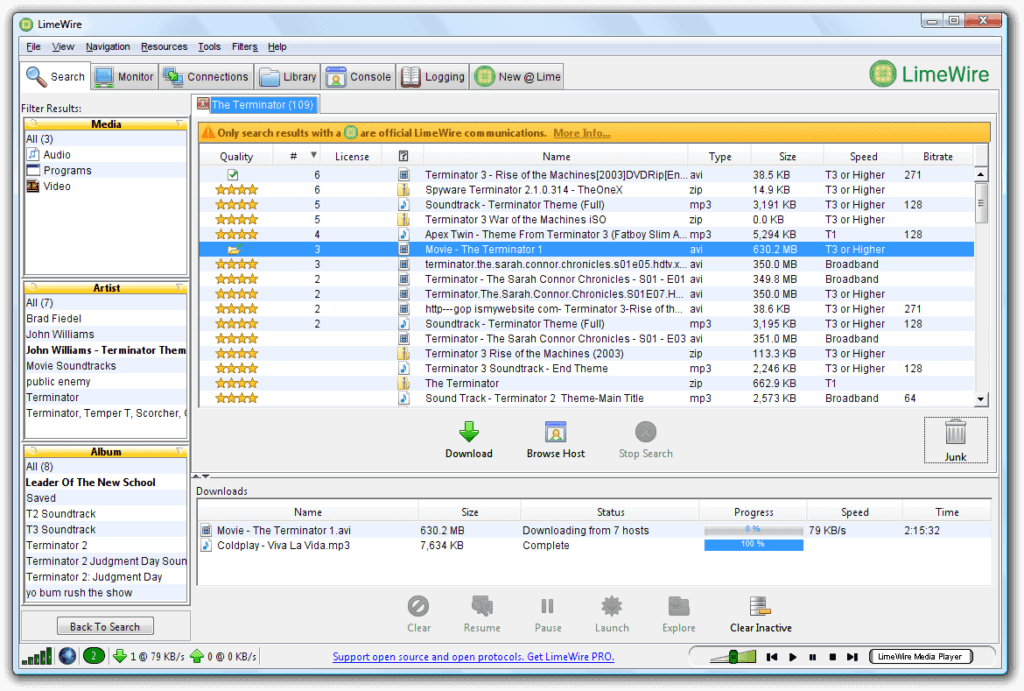
    Many of us might remember LimeWire as the music peer-to-peer file-sharing site that dominated the internet in the 2000s and allowed us to access our favourite songs and albums without having to pay for them. 

    LimeWire was a part of the crop of torrenting sites that are often credited with negatively impacting music sales in the 2000s and was shut down in 2010 after it was found to have infringed on copyright by a U.S court. 

    Now, it seems LimeWire is getting a second life and this time, it is in conjunction with the record labels it once faced off against in court. Also, NFTs are somehow being thrown into the mix.

    The New LimeWire

    This new dawn for LimeWire has been birthed from a partnership with Universal Music Group. The site, which has now been relaunched, is still tapped into its music roots and will be serving fans. 

    But unlike 12 years ago, it will not be offering peer-to-peer file sharing but NFTs. On its homepage, it describes itself as the “one-stop marketplace for artists and fans alike to create, buy and trade digital collectible without the technical crypto requirements of the NFT landscape”

    But what does this mean, exactly? Thanks to its new partnership with Universal Music Group, the site will allow artists to sell all kinds of content, from songs to video footage, as NFTs to fans and collectors. 

    Unlike in the past, they are being backed by UMG, which holds copyrights for its artists’ works and thus, a legal battle is out of the question. As these NFTs are listed, they can be paid for using around 20 different cryptos, credit cards, bank transfers, PayPal, and so on. 
    LimeWire Launches NFT Marketplace

    Given how much NFTs are tied to cryptocurrency, accepting cryptos for them seems like a natural option. This is also not LimeWire’s first foray into the crypto space. In fact, the funds for this rebrand were initially raised through the sale of LimeWire’s native token LMWR earlier this year.

    On UMG’s part, the company anticipates NFTs being a long-term part of the music industry and sees this project as a step in that direction.

    “You may see one-off NFT drops. I’m far more interested in a long-term sustainable business model where this product, this opportunity – and I include the metaverse in that – is part of the conversation with our artists where it’s baked into their long-term marketing campaigns. (…) I want it to become something sustainable and long term as opposed to just a headline today about something that everyone talks about for an hour. I want it to be baked into our business,” says UMG’s CEO Sir Lucian Grainge in a recent interview. 
    This new announcement is not surprising given how NFTs are fast becoming a part of the music business, with chart inclusion growing around the world and even music groups releasing album rights as NFTs. The ease through which they can be embedded into the digital space, of course, makes them even more appealing and likely to survive into the future.
  • Upcoming Mohammad Ali Film to Launch With NFTs

    Upcoming Mohammad Ali Film to Launch With NFTs

    These days, NFTs are finding a comfortable place in the world of film. From Kevin Smith’s latest horror film being released via NFTs to the new Batman film launching a collection, NFTs are being tied more closely to big-screen features.

    This can mostly be put down to the fact that they can be used to deliver intimate fan moments, as well as collectables that tie into film franchises. 

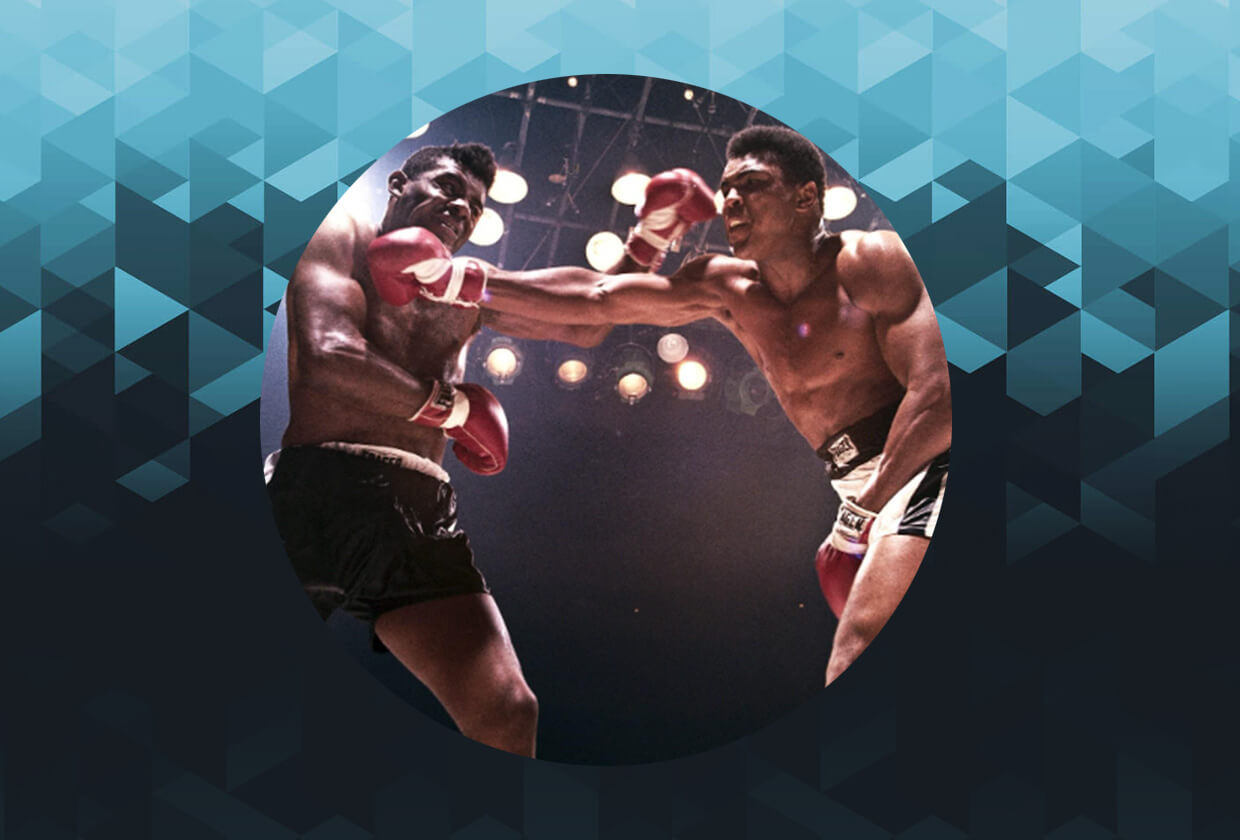
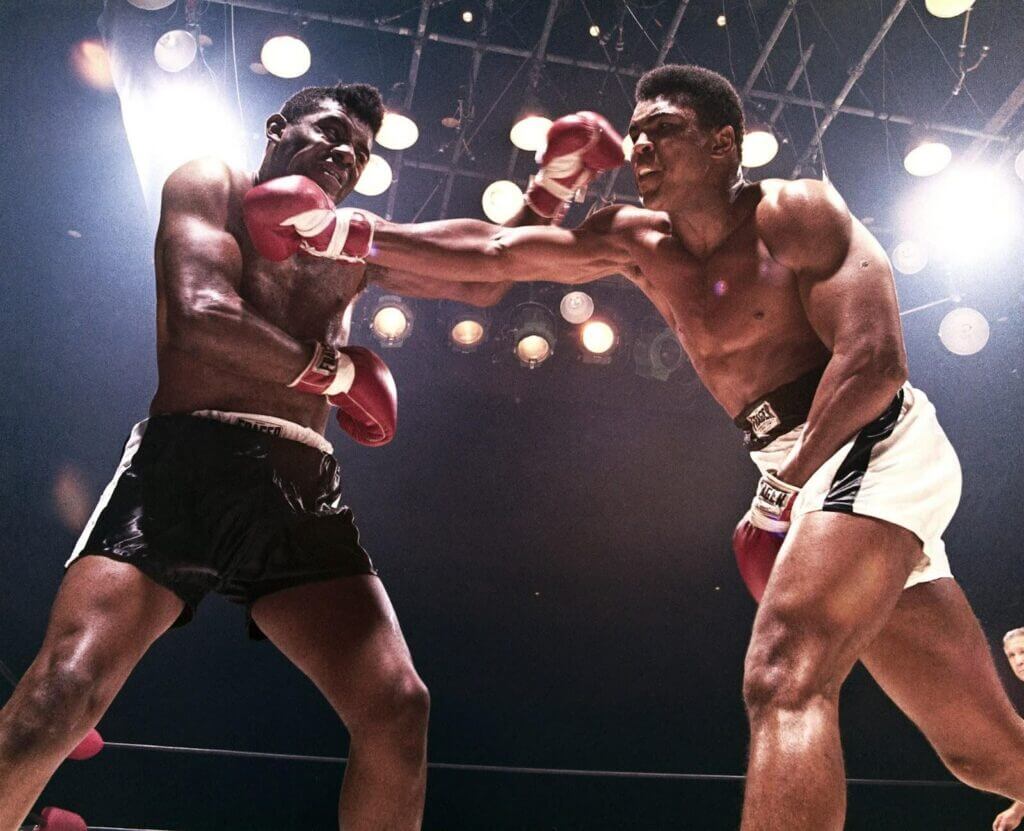
    The latest film to get in on the NFT craze is A God Amongst Men, an incoming picture about boxing icon Muhammad Ali and his now-famous trip to Tyneside in 1997.

    NFTs Get Their Closeup

    This film is being developed by Studio Pictures and there are plans to launch an NFT collection for it in the summer of 2022. This collection will feature 11 hand-drawn characters from the film called The Skidz. 

    Each NFT will have a unique trait to it that the studio says will not be made public until after the sales have been completed. What we do know for now is that each NFT will come with some sort of perk that relates to the film. 

    Some will allow their owners to visit the set, attend an exclusive screening, or even meet the cast. The producers of the film also plan to create an interactive 3D world where the NFTs can be used in. All these help to generate more buzz around the project, which will begin filming later this year. 

    Upcoming Mohammad Ali Film to Launch With NFTs

    According to James Newton, the writer and director of the film, the advent of NFTs means big opportunities for filmmakers to connect more with their audience and also create a sense of community among them. This, he says, is particularly true for smaller filmmakers. 

    “The potential for NFTs to completely change the landscape of film marketing is here. Filmmakers need to wake up to the seismic shift that has been happening with NFT assets over the last year. NFTs are game-changing for indie filmmakers. We can now build a community and an audience for our film before we have shot a single frame and that same audience will be part of our journey from day one,” he says, adding that he is drawing on inspiration from one of the film’s characters, Johnny Walker, and not giving up on his vision. 

    This new announcement adds to a growing list of Hollywood releases that tie into NFTs. 

    NFTs and the Superfan 

    We all know of that person who is a superfan of a particular movie, popstar, TV show, etc. Those people who cannot help but collect everything related to their pop culture obsession that they can get their hands on. 

    NFTs, as we all know, serve as digital collectables and can be a way for big fans of media content to connect to them even more. As the Muhammad Ali film shows, it can also be a way for fans of these things to connect to one another and build communities around shared interests.

  • Singapore Court Gives Landmark Ruling in NFT Case

    Singapore Court Gives Landmark Ruling in NFT Case

    NFT lovers, rejoice!

    Besides the financial success of the industry, a clear sign of the progress of NFTs is the fact that their legal status is being recognized around the world. Just earlier this month, for example, a Chinese court formally recognized NFTs as an asset after an artist was compensated for her stolen work which was minted as an NFT.

    It seems this legal recognition of NFTs is spreading across the globe as a recent Singaporean court order has formally recognized NFTs as an asset. This represents a first not just in Singapore but in Asia as a whole.

    Details About the Case

    In this recent court case, a Singaporean man had owned a Bored Ape Yacht Club NFT that he used as collateral for a loan from an online persona simply identified as ‘chefpierre’. As per court documents, the man had taken a loan from Chefpierre back in January 2022 and the token, identified as BAYC No. 2162, was used as collateral. 

    That first loan was repaid and another was taken in March 2022, with the same NFT used as collateral. However, the man was unable to pay back the loan at the time it was due. This led to negotiations between the two and ‘chefpierre’ offered to refinance the loan but then went back on their word.

    Instead, they threatened to use the ‘foreclose’ option on the platform the loan was taken to collect the NFT as collateral if the loan was not repaid in a 7-hour period. The man was unable to repay the loan and thus, the NFT was seized. 

    Singapore Court Gives Landmark Ruling in NFT Case

    The reason for the court case is that the man had specified with lenders prior that he was not willing to relinquish ownership of his NFT, which he says is particularly rare. In the event that he could not pay back the loan, the agreement was that he would be given an extension. 

    In fact, the man tried to pay back some of the borrowed money after the NFT was seized but the lender refunded the payment and blocked him from making any more.

    But the law seems to be on his side in some way. After a court petition, an injunction was issued to stop the listing, sale, and transfer of the NFT, recognizing it as an asset. Chefpierre had already listed it for sale on OpenSea but is now blocked from doing so. 

    In the Eyes of the Law

    Regardless of the outcome of this case, a few things are clear. The first is that there is now legal precedent in multiple countries that recognizes NFTs as assets. This means infinitely more legal protection for their creators and owners. 

    This also shows that the selling of NFTs is becoming far more regulated. Court orders to stop the sale of NFTs mean that in the event of disputes, there will be some resolution for the parties involved. Ultimately, these can only lead to a better NFT landscape for all.

  • Seth Green Loses Bored Ape NFTs in Phishing Attack

    Seth Green Loses Bored Ape NFTs in Phishing Attack

    The good thing about having an NFT from a top collection is that you have access to a global community of NFT lovers, as well as a valuable asset that can increase in value or simply be a source of bragging rights. The bad thing about having an NFT from a top collection is that many people want to steal it from you. 

    Few collections are quite as aware of this as the Bored Ape Yacht Club. The collection, one of the most valuable in the world, has been targeted via phishing schemes and has even had its social media accounts hacked. 

    Given that a single Bored Ape NFT can be worth over a million dollars, they are highly coveted by thieves. Unfortunately for Bored Ape NFT owner and comedian Seth Green, his NFTs have been stolen in a phishing attack.

    Stolen Apes

    On May 17, 2022, the comedian tweeted to his 1.4 million followers that not only had his NFTs been stolen but also name-dropped the person who might have bought the stolen assets. 

    “Well frens it happened to me. Got phished and had 4NFT stolen. @BoredApeYC @opensea @doodles @yugalabs please don’t buy or trade these while I work to resolve:

    @DarkWing84 looks like you bought my stolen ape- hit me up so we can fix it,” Green tweeted.

    This incident is nothing new as many people have had their NFTs stolen and resold to someone else, with this usually being the purpose of the theft in the first place. Similar incidents have also happened to artists who have had their work stolen and resold without their consent. 

    Seth Green Loses Bored Ape NFTs in Phishing Attack

    Twitter users quickly identified where the NFTs might have gone. An OpenSea account matching @DarkWing84’s Twitter profile was found to have been transferred the NFT while others were sent to a now-deleted account. 

    The other NFTs have also been flagged for suspicious activity on OpenSea and can no longer be sold there.

    While there are many ways through which criminals can get a hold of NFTs, phishing seems to be one of the most common. A phishing scheme involves the criminals impersonating a legitimate establishment such as a marketplace through emails or by some other means. 

    When done well, the phishing schemes can be very believable, with the founder of DeFinance, for example, losing 60 NFTs in a single attack. 

    Securing Assets 

    While this incident is unfortunate for Green, it serves to remind the community of the risks associated with owning NFTs, especially valuable ones. One of the biggest of these is falling victim to phishing schemes or otherwise having your assets stolen. 
    As NFTs as a whole become more prominent, the community is having to navigate this issue. Some buyers are turning to NFT custodians to store their assets for them and reduce the risk of them being stolen. Some buyers who have had their assets stolen have even taken legal action against the marketplaces they use for allegedly not protecting them.

  • Getty Images Launches NFTs

    Getty Images Launches NFTs

    If you’ve been on the internet long enough, chances are that you’ve heard of Getty Images. At the very least, you’ve likely seen one of their glossy images of public figures at important events with the Getty Images watermark in the corner or used some of their stock content. 

    Having been at the top of the photography sector for years, Getty Images has millions of photos and videos in its archives. Now, it seems that some of these images and videos are going to find their way into the metaverse. 

    This comes as Getty Images has announced that it will be launching incoming collections of NFTs that will leverage its extensive archive. 

    Getty In The Metaverse

    As per the official announcement, Getty Images will be minting its NFTs on the Palm blockchain, which is a sidechain of Ethereum. Once these images are minted, they will be sold on the Candy’s marketplace. 

    According to the management of Getty Images, this is both a way for the company to tap into a new market and also to contribute to the greater cultural landscape. 

    “Many of Getty Images’ analog archival photographs have never been seen before by the general public and contained within this collection are exceptionally rare images from legendary photographers who first pioneered the field. As part of this new partnership, Getty Images and Candy Digital will unveil these works alongside contemporary images in a variety of different digital formats for people to view and collect for the very first time,” the announcement explains. 

    Getty Images Launches NFTs

    The first set of NFTs to be released to the public will be based on Getty Images’ 465 million images, which includes over 135 million analog images from Getty Images’ photographic archive. Getty images also adds around 30 million assets to its archives each year, so there will be no shortage of NFT-worthy content. 

    When the NFTs are listed for sale, they can be bought with either cryptocurrency or credit cards. Even with Getty Images’ long history of documenting and offering visual content to the world, this new partnership is being framed as the company embracing a new way to document the world. 

    “The introduction of photography represented a seismic shift in how we were able to document, store, and share our history. We’re thrilled to be working with Getty Images to develop NFT products that creatively bring these iconic and rare photographs from the last two centuries to life for people to experience and collect in a new digital format,” explains Scott Lawin, CEO of Candy Digital. 

    NFT in Pictures

    For as long as cameras have existed, they have been a major way for humans to document the world around them. Now, NFTs seem to be the next stage in this evolution. There are several reasons for this, including their accessibility and the fact that NFTs are near-permanent ways to store data.

    Getty Images clearly sees the value in them and with the leveraging of its extensive archives, there will be a lot of innovative offerings coming soon.

  • DeviantArt Fights Back Against Stolen NFT Art

    DeviantArt Fights Back Against Stolen NFT Art

    The NFT industry and the art sector have a very complicated relationship. On one hand, NFTs have served as a convenient way for artists to share their work with the world and make an income, with several even becoming millionaires from it. 

    On the other hand, a number of artists have found their works being minted and sold as NFTs without their consent, with limited resources to help them. Now, however, it seems that more tools are being developed to combat stolen art NFTs and support the artists themselves. 

    One of these is coming from DeviantArt, one of the most influential art platforms on the internet. 

    DeviantArt Fights Back 

    The tool being offered by the site, called DeviantArt Project, was initially released last year but is now being offered to artists even outside of DeviantArt. One of the common issues artists face in combating stolen art NFTs is that they might not even know that their work has been minted and sold unless they come across it by chance. 

    This is where DeviantArt Project comes in, as artists can upload their own work to it and have it matched against NFT images minted on major blockchains. Some of the blockchains to be scanned include Ethereum, Klaytn, Polygon, Arbitrum, Optimism, Palm, Tezos, and Flow. If their art matches any of the NFTs found on these blockchains, the artist will be alerted and from there, they can take action. 

    DeviantArt Fights Back Against Stolen NFT Art

    Many of these actions involve sending takedown notices to the marketplaces where the stolen art is being sold. For artists who want to take advantage of this opportunity, there are two ways to do so. 

    For free, the DeviantArt Project lets users upload up to 10 images of less than 2 GB in total and they will be constantly monitored. If they want to upload more, there is the $3.95 monthly “Core” service that lets them upload up to 1,000 images or 50 BG in total. 

    This sort of tool is certainly useful for artists for a number of reasons. First, it means that they can detect whether their work is being minted without their consent. The program is also an ongoing process, meaning the artist does not have to check manually whether their work is being stolen. 

    Still, as DeviantArt CMO Liat Gurwicz says in an interview with the Verge, the problem is much more complicated. 

    “Once something has been minted to the blockchain, even if after that it’s acknowledged as an infringement, actually having it removed from the blockchain is quite unlikely,” he explains. 

    Fixing an Art Problem 

    While the permanence of blockchain and the profitability of NFTs means that stolen NFT artwork might not be completely stamped out, efforts are being made to tackle them at the root. 
    Thankfully, programs like DeviantArt Project mean that these stolen NFTs can be caught as soon as they are minted and recent actions taken by courts are starting to hold platforms accountable for selling them.

  • Linktree Adding Support for NFTs

    Linktree Adding Support for NFTs

    It seems that every other week, there is one major platform or the other creating support for NFTs. First, it was Instagram announcing that it would be testing a new feature that would allow users to list NFTs on their platforms, with Spotify making a similar announcement weeks later.

    Now, Linktree, a popular link-in-bio tool, has announced that NFT support will also be coming soon. As per the new announcement, users will soon be able to list their NFTs on the same tools as they would other links to their important information. 

    NFTs Join the Fold

    In the digital world, being able to streamline the different facets of our online presence is important. A single content creator, for example, might have an Instagram account, a Twitter handle, an official website, an online store, and so on. 

    Link-in-bio tools help to aggregate all of these by putting all the users’ links in a single tab. As more platforms become relevant in the digital world, support for them is added to these. Now, it seems it is the turn of NFTs. 

    As per the official announcement, Linktree explained that it will be launching what is called an NFT Gallery. This gallery is meant to help users not only promote their NFTs but also build communities around them. 

    Linktree Adding Support for NFTs

    The new feature was developed in collaboration with OpenSea and using it, users can create previews of their OpenSea collections and verify their ownership by connecting their Metamask wallets. Alternatively, they can connect their wallets directly and add up to 6 NFTs to their Linktree profile.

    Seeing as NFTs are now being used as profile pictures on public platforms, Linktree is also allowing users to use their NFTs as backgrounds or profile pictures for their Linktree profiles. To avoid any dishonesty about ownership, verified NFTs will be displayed with a hexagonal outline as profile pictures and will come with a verification badge.

    Finally, users will have the option to lock their links using smart contract addresses and only other users with NFTs from specific collections will be able to unlock them. This helps to foster a sense of community and protect users at the same time.

    “With this launch, Linktree is providing meaningful features to empower creators in the Web3 space. This adds value by extending the core utility of NFTs – verified ownership, monetization, and community. As the number of creators tapping into web3 grows, Linktree provides these creators the tools they need to display their NFTs anywhere they have their Linktree link and to provide exclusive incentives to their community,” Linktree CEO Alex Zaccaria said in a statement to TechCrunch

    Building NFT Links 

    This sort of feature has massive implications for the NFT community at large. First, it means that NFT creators have even more avenues to advertise their works and make an income. It also means that members of the community can connect to one another outside of traditionally NFT-focused platforms, which pushes the industry further into the mainstream.

  • Morgan Stanley Turns Attention to NFTs After the UST Crash 

    Morgan Stanley Turns Attention to NFTs After the UST Crash 

    For the last week, the blockchain community has watched as several cryptos, notably UST, Bitcoin, and Ether, have seen a sharp market decline. Now compared to the major market crashes of 2017 and 2020, billions of dollars of market value have been wiped out within days.

    Naturally, there have been many theories about this market crash and what caused it. But according to a new report from investment bank Morgan Stanley, this decline cannot be blamed on the equity market but rather on speculation. 

    In the report, analyst  Sheena Shah states that several aspects of the crypto industry were hyped and leveraged and now, investors are liquidating. This, the report says, is because its previous prices were propped up by speculative trading and less by real user demand. 

    While we are already seeing the effects of such trading activities, the report warns that NFTs could be next. 

    Speculative NFTs

    The report explains that the speculative buying of assets with the intention to trade later is not limited only to cryptocurrency itself but stretches into other aspects of blockchain. More specifically, NFTs and digital real estate in the metaverse were named as asset classes that are seeing a lot of speculative investment. 

    Morgan Stanley Turns Attention to NFTs After the UST Crash 

    This means that a lot of people who are buying into both are not doing so out of a genuine need but with the hope that later in the future, they will be able to resell them for a profit. There is certainly some merit to this as oftentimes when NFT collections are released, people try to buy them all up with bots and the NFTs eventually end up on secondary trading platforms. 

    Also, given how much many are willing to pay for NFTs from specific collections, it should be profitable to buy them speculatively and resell them. But as the report notes, this does not always happen. 

    Take the now-infamous case of Malaysia-based Sina Estavi, who paid $2.9 million for the NFT of Twitter Co-founder Jack Dorsey’s first tweet. Over a year later, he attempted to resell the tweet hoping to make around $25 million from it. 

    This was not to be so as he received less than $10,000 in bids for the tweet. Despite this, he has expressed that the NFT will eventually be valued by the public and hopefully sold. 

    “Last year, when I paid for this NFT, very few people even heard the name NFT. Now I say this NFT is the Mona Lisa of the digital world. There is only one of that and it will never be the same. Years later, people will realise the value of this NFT,” he said. 

    Stop the Speculation

    But what does all of this mean for the NFT space? Most likely, it should advise stakeholders to better interact with the industry and the assets within it out of genuine interest as opposed to pure speculation. 

    NFTs have a lot of potential real-life use and should not be reduced to speculative assets, lest we have a major market crash in the future.

  • Spotify to Allow Artists Promote NFTs

    Spotify to Allow Artists Promote NFTs

    From the Chainsmokers selling royalties rights to their album as NFTs, the U.K official charts counting NFTs towards album sales, and the plethora of artists buying them, NFTs seem to be the newest darling of the music industry. 

    Given how NFTs can serve as a vehicle for the transfer of ownership of art and a means of community engagement, it makes sense that the music industry has embraced it so much.

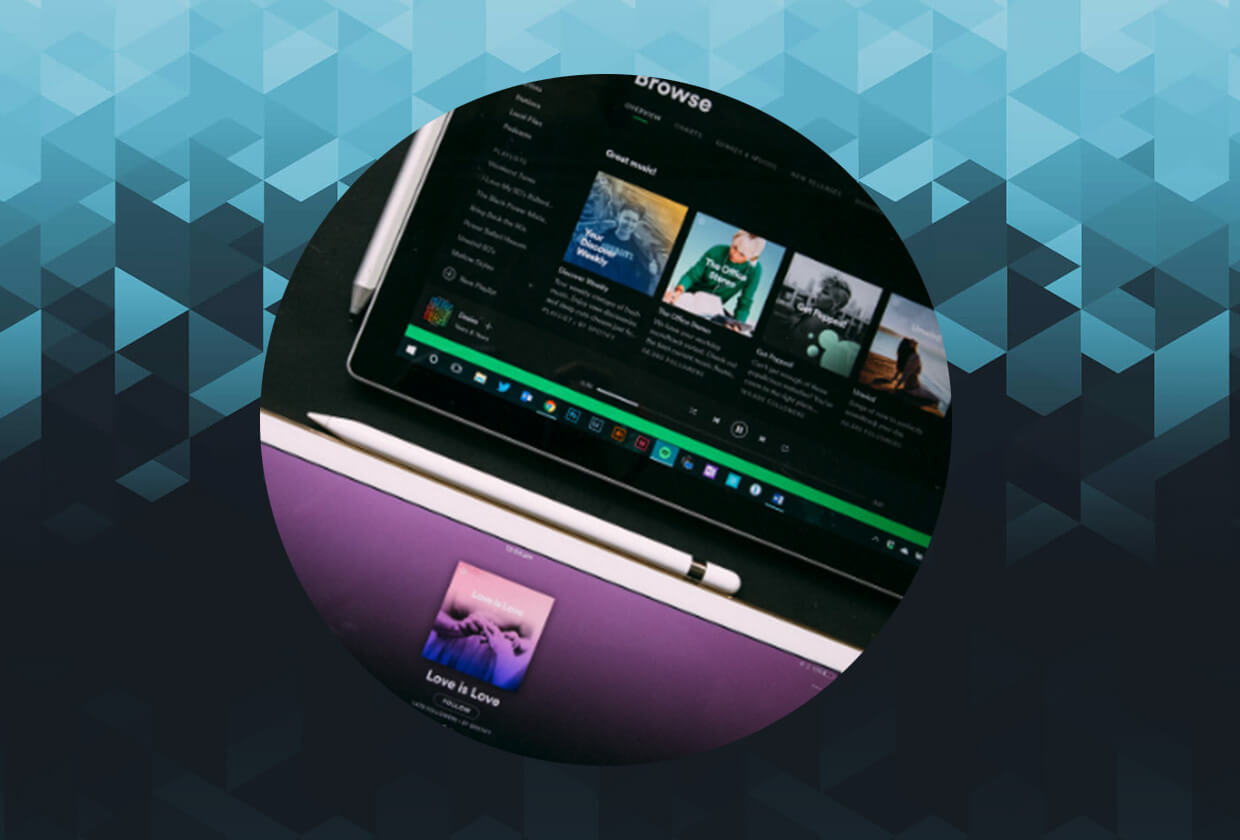
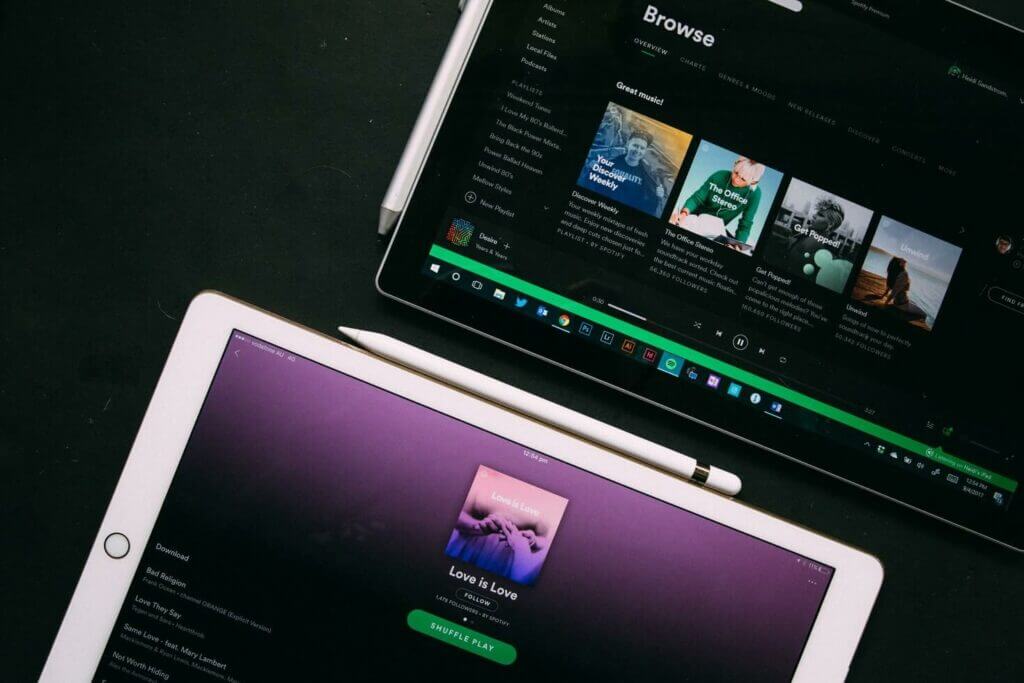
    Now, Spotify, one of the biggest streaming platforms in the world, has announced a new feature that is in trial mode. The feature in question is one that will allow artists to promote their NFTs. 

    Stream and Buy

    According to the official announcement, the new feature is not yet being released site-wide but instead, to a select few artists using Andriod devices in the United States. Those who will enjoy the feature will be able to promote their NFTs using their Spotify profiles. 

    As for the users who will be able to see the NFTs, more information about each asset will be available by tapping on the artists’ profiles. If they want to buy the NFTs in question, they will be redirected to an external marketplace. For now, Spotify will not take any fees for the sale of such NFTs. 

    This new feature, according to the announcement, is in a bid to help artists further connect to their fans and was decided on following responses from industry partners. 

    Spotify to Allow Artists Promote NFTs

    “Spotify is running a test in which it will help a small group of artists promote their existing third-party NFT offerings via their artist profiles,” a spokesperson for Spotify said. “We routinely conduct a number of tests in an effort to improve artist and fan experiences. Some of those tests end up paving the way for a broader experience and others serve only as an important learning.”

    The market for this sort of product certainly exists, given the number of artists like Snoop Dogg who have released new music projects using NFTs. Usually, fans find out about such releases via social media and news sites. 

    But if these NFTs are displayed on the artist’s Spotify profile, easier discovery and more sales can be ensured. This is even more so considering the fact that Spotify is one of the most influential platforms in the streaming age. 

    For the artist, this means more income and more access to fans and for the fans, this means easy access to their favourite artists. 

    NFTs in Profile

    This Spotify news comes just after Instagram announced that it would be testing NFTs on select users’ profiles. Needless to say, many of the top digital platforms seem to be bringing NFTs to their users, and for good reason. 

    Since NFTs have proven to be popular among users, easy discoverability and access for consumers is the next step. While most people might not have an OpenSea account, for example, they likely have a Spotify and Instagram account and these changes mean they can get NFTs more easily.

  • UK’s Financial Conduct Authority Issues Warning on NFTs

    UK’s Financial Conduct Authority Issues Warning on NFTs

    The NFT sector is a lot of things; exciting, innovative, and even controversial at times. But for all these, it is worth noting that the industry is generally unregulated. As was the crypto sector years ago, regulators have not yet fully caught up with the NFT industry to offer in-depth oversight. 

    Citizens of the United Kingdom were reminded of this on May 11, 2022, when the country’s Financial Conduct Authority released a reminder about NFTs. This reminder also served as a warning for those who want to invest in NFTs and other digital assets. 

    Buyer Beware 

    It was stated in the official post on the FCA website that the reminder was triggered by several social media posts that were likely promoting NFTs and cryptocurrency to the masses. This is probable given how popular NFTs are online and how a majority of the promotion for them is done on social media.

    This online popularity and the discourse it has sparked have helped contribute to NFTs being a billion-dollar business that only continues to grow. Despite all of this, the FCA was quick to remind people of its underregulated status. 

    “We cannot comment on individual products. However, as we have said previously, the FCA has not been given regulatory oversight over direct investments in cryptoassets and NFTs. There are no consumer protections for those who buy any cryptoassets and NFTs, and they are not FSCS protected. As a result, if you buy cryptoassets you should be prepared to lose all the money you invest,” the post says.  

    This lack of protection for buyers of digital assets has been proven true in the past. As we know, the digital assets sector has seen pump-and-dumps, rug pulls, platform hacks, and multiple project failures over the years and rarely is any respite given to investors. 

    UK's Financial Conduct Authority Issues Warning on NFTs

    While the unregulated nature of the industry makes it easier for consumers to access, it also leaves them relatively unprotected compared to things like stocks or shares. However, the warning put out by the FCA is not only for the buyers of digital assets but the sellers as well.

    As per the post, anyone marketing digital assets like cryptocurrency and NFTs has to state clearly that they are not regulated by the FCA and are not protected by financial compensation schemes.

    Those familiar with the industry have likely come across such disclaimers when digital assets are being advertised. But it seems not everyone doing this as the Advertising Standards Authority (ASA) has had to investigate instances of this not being communicated to investors. 

    An Unregulated Market

    Clearly, there are still things that need to be ironed out when it comes to NFTs and their relationship with regulators. But these sorts of warnings serve a very important purpose in the industry. 

    This is that they make sure that investors know what they are getting into. After all, there is no good in newbies putting money into digital assets and being blindsided by the lack of protection from regulators like the FCA.